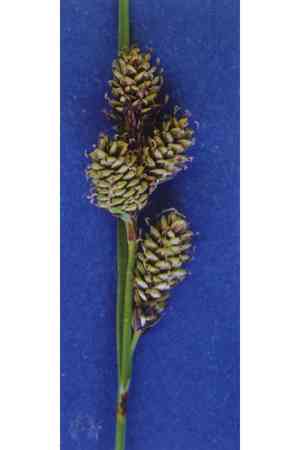
Different-nerve sedge (Carex heteroneura)
Also known as: Smooth-fruit sedge
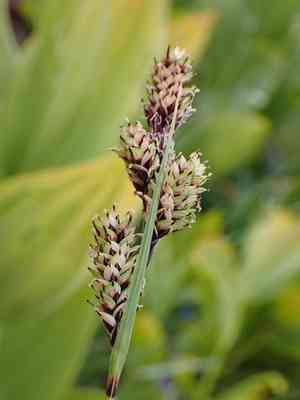
This sedge typically forms clumps with stems reaching up to 91 cm (1 meter) in height, though they are often shorter. The plant shows variability in its features, including the scales on its flowers and the perigynia on its fruits. Generally, the spikes are dense, oblong or cylindrical, and contain bicolored spikelets. The perigynium is usually greenish or purplish with a short, rounded tip.
In This Article
Attributes of Different-nerve sedge
Lifespan
Perennial
Plant Type
Grass
Plant Height
30 cm to 91 cm
Spread
Variable, usually clump-forming
Leaf Color
Green
Flower Size
Small, less than 1 cm
Flower Color
Often greenish or brown
Images of Different-nerve sedge
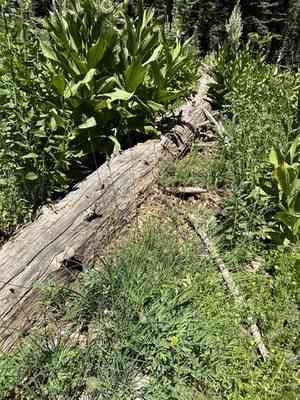
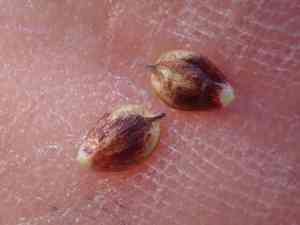
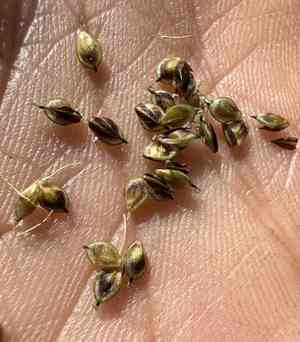
Quickly Identify Different-nerve sedge
1
Carex heteroneura can be identified by its grass-like leaves which are often tufted. The stems are usually triangular in cross-section and the plant produces small, inconspicuous flowers arranged in spikes.
Scientific Classification of Different-nerve sedge
Phylum
Vascular plants
Class
Monocotyledons
Order
Poales
Family
Sedge
Genus
True sedges
Species
Different-nerve sedge
Planting and Growing of Different-nerve sedge
Care Difficulty
Moderate
Watering Schedule
Every 3 days
Sunlight Requirements
Partial sun
Sunshine Duration
4-8 hours
Ideal Temperature
60-75℉
Soil Type
Potting Mix, Peat Mix
Soil pH
6.5-7.5
Fertilizer Type
Balanced
Pruning Season
Spring, Summer
Pruning Area
Branches, Leaves
Pruning Frequency
2 times a year
Repotting Season
Spring
Pot Type
Plastic, Ceramic
 How to Water Different-nerve sedge?
Carex heteroneura prefers its soil to be evenly moist, but not waterlogged. The general rule of thumb is to water enough to soak the top 5-6 inches of soil each time, which typically amounts to about 200 ml of water. It's essential to ensure that the water penetrates deeply to encourage strong root growth.
What are the symptoms of an underwatered Different-nerve sedge?
›
What should I do if my Different-nerve sedge is not getting enough water?
›
What are the symptoms of an overwatered Different-nerve sedge?
›
How to save an overwatered Different-nerve sedge?
›
 What Are the Sunlight Requirements for Different-nerve sedge?
Partial sun or full shade provides an optimal range for Carex heteroneura, promoting lush, healthy growth without risking the damage that direct sunlight can cause. Providing the right light conditions fuels robust photosynthesis essential for the plant's vitality.
How much light does Carex heteroneura need?
›
What are the benefits of ideal light for Carex heteroneura?
›
How can I ensure Carex heteroneura gets the right amount of light?
›
 What Is the Ideal Temperature Range for Different-nerve sedge?
For optimal growth, Carex heteroneura thrives in temperatures ranging from 60°F to 75°F. This range provides a balance between maintaining metabolic activities and preventing stress that could affect its growth and reproduction processes.
 What Soil is Best for Different-nerve sedge?
Carex heteroneura thrives in nutrient-rich soils that provide an abundance of minerals and organic matter. Such soils support vigorous growth and vibrant foliage, ensuring that the plant remains robust and healthy throughout the growing season. This plant prefers soil conditions that maintain consistent moisture without becoming waterlogged. Well-drained soils prevent root rot while providing the necessary hydration, striking a perfect balance for optimal plant health. Aerated soil promotes healthy root development by ensuring adequate oxygen levels. This is crucial for Carex heteroneura, as it encourages robust root systems, essential for nutrient uptake and overall plant vitality.
 How to Fertilize Different-nerve sedge?
For Carex heteroneura, a balanced approach to fertilization is key. Typically, you should aim to apply a moderate dose of liquid fertilizer every two weeks during the growing season. A general guideline would be to use half the recommended concentration on the fertilizer packaging. For slow-release fertilizers, follow package instructions, usually applying around one tablespoon per square foot.
 How to Prune Different-nerve sedge?
Begin by identifying any yellowing or dead leaves at the base of Carex heteroneura. Using sharp scissors or garden shears, carefully trim off these leaves without damaging the healthy foliage. This process encourages new growth and keeps the plant tidy. To maintain the desired shape of Carex heteroneura, trim back any overgrown sections. Focus on areas where the plant appears uneven or the foliage is encroaching on neighboring space. This ensures a uniform, attractive appearance and improves air circulation around the plant.
More About Pruning Techniques→
 How to Propagate Different-nerve sedge plant?
1
Gather seeds from the plant after they have matured fully. Ensure the seeds are dry and store them in a cool, dark place until you are ready to plant.
2
Use a well-draining soil mix suitable for the plant. Amend the soil with organic compost to improve nutrient content, which will support the seedlings’ growth.
3
Carefully separate the clumps ensuring each section has sufficient roots and foliage. Replant immediately to prevent the roots from drying out, which is critical for survival.
 How to Repot Different-nerve sedge plant?
1
You should consider repotting Carex heteroneura when you notice the roots beginning to grow through the drainage holes of the pot or the soil does not retain moisture well. This usually indicates the plant has outgrown its current home, and it's the perfect time to offer it more space and nutrients.
2
Select a pot that is only slightly larger than its current size, preferably one with adequate drainage holes. This ensures the roots have enough space to spread without causing waterlogging issues, promoting healthy root development and growth.
3
Opt for well-draining potting mix which prevents water from sitting at the roots. This type of soil allows for excellent air circulation around the roots, reducing the risk of root rot and keeping your Carex heteroneura thriving.
Learn More About Different-nerve sedge Diseases
Anthracnose
Bacterial Leaf Spot
Bacterial Soft Rot
Bacterial Wilt
Chemical Injury
Cyst Nematode
Damping-off
Downy Mildew
Drought Stress
Fusarium Wilt
Gray Mold
Leaf Spot
Mosaic
Nutrient Deficiency
Nutrient Toxicity
Powdery Mildew
Root Rot
Root-knot Nematode
Rusts
Sooty Mold
Spider Mites
Temperature Stress
Thrips Damage
White Mold



