How to Prune Davis' sedge?
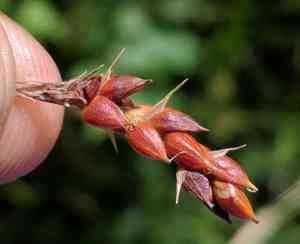
Carex davisii exhibits a clustered, mounding growth pattern and thrives in damp grasslands and forested areas. Trimming is best performed in early spring or during winter to control its size and eliminate any withered or compromised leaves. Concentrate on severing aged stalks to encourage fresh development, thereby improving both the plant's vitality and visual attractiveness. Consistent upkeep prevents excessive density and bolsters the plant's robustness. Consult reputable gardening resources for precise methods.
What Are the Benefits of Pruning Davis' Sedge?
What Are the Benefits of Pruning Davis' Sedge?
Trimming davis' sedge promotes vigorous development by eliminating dead or diseased leaves, maintains its form, and fosters robust, dense growth, enhancing its resistance to pests and illnesses. Regular trimming improves its overall look and vitality.
What Is the Best Time for Pruning Davis' Sedge?
What Is the Best Time for Pruning Davis' Sedge?
Trimming davis' sedge in early spring or winter ensures the plant is cut back before new growth starts, which can encourage healthier and more robust development during its active season. Pruning during these periods also minimizes disease and pest risks, as the plant is dormant and less vulnerable to infections. Additionally, early spring trimming allows for the removal of any winter-damaged or dead foliage, improving davis' sedge's overall appearance and health.
What Tools Do I Need to Prune Davis' Sedge?
Hand Pruners
Hand pruners are perfect for cutting davis' sedge stems, allowing for accurate cuts and easy handling.
Pruning Shears
Pruning shears can be useful for cutting back larger clumps of davis' sedge, providing greater leverage and power.
Hedge Shears
Hedge shears are excellent for shaping and trimming davis' sedge foliage to maintain its structure and encourage healthy growth.
Grass Shears
Grass shears are especially helpful for trimming around the base of davis' sedge where other tools might struggle to reach.
How to Prune Davis' Sedge
Identify
Carefully examine davis' sedge for any diseased or withered leaves. Diseased leaves often show discoloration or signs of fungal infection, while withered leaves are dry and brittle.
Prepare tools
Ensure your pruning tools are clean and sharp to make precise cuts, reducing the risk of infection for davis' sedge. Use hand pruners or small garden scissors for this task.
Trim diseased leaves
Start by trimming off any diseased leaves first. Make clean cuts as close to the base of the affected leaf as possible without harming the main stem or healthy parts of davis' sedge. Properly dispose of diseased leaves to prevent disease spread.
Trim withered leaves
Next, remove withered leaves. Cut these leaves back to a healthy part of the plant or to the base if they are completely dead. This helps davis' sedge direct energy to new growth.
Clean area
After pruning, clear away any trimmed leaves and debris from around davis' sedge to ensure a healthy growing environment and minimize the risk of pests or disease re-infection.
Common Pruning Mistakes with Davis' Sedge
Improper technique
Using dull or dirty tools can harm the plant and introduce diseases. It's crucial to use clean, sharp pruners for precise cuts.
Pruning too much
Excessive pruning can stress davis' sedge, weakening its overall health. It's important to avoid removing more than one-third of the plant at any given time.
Cutting back healthy growth
Trimming healthy, green growth instead of focusing on dead or damaged parts can impede the plant's ability to photosynthesize and recover properly.
Ignoring the base
Neglecting the base of davis' sedge can lead to a cluttered and unhealthy plant. It's important to regularly remove dead foliage from the base to promote airflow and reduce the risk of fungal issues.
Common Pruning Tips for Davis' Sedge
Use clean tools
Always sanitize your tools before and after pruning to prevent disease spread. Rubbing alcohol or a bleach solution can be effective for this purpose.
Target dead and damaged foliage
Focus on removing brown, dead, or damaged parts of davis' sedge to encourage new growth and maintain a neat appearance.
Make precise cuts
When pruning, make clean cuts at an angle close to the base of the damaged or dead foliage without cutting into healthy tissue.
Promote airflow
Regularly thin out dense clusters of foliage to improve air circulation, which helps prevent fungal infections and promotes healthier growth.



