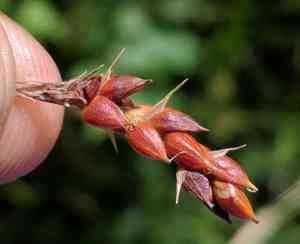
Davis' sedge (Carex davisii)
Also known as: Davis' sedge
Carex polymorpha, commonly known as variable sedge, is a North American species. It is classified as endangered in Connecticut and Massachusetts. In Maryland, it is also listed as endangered. The species holds a threatened status in Minnesota and Tennessee, while in New York, it is designated as a species of special concern.
In This Article
Attributes of Davis' sedge
Lifespan
Perennial
Plant Type
Grass
Plant Height
76 cm to 91 cm
Spread
30-45 cm
Leaf Color
Green
Flower Size
0.3-0.5 cm
Flower Color
Yellow Red Green Brown
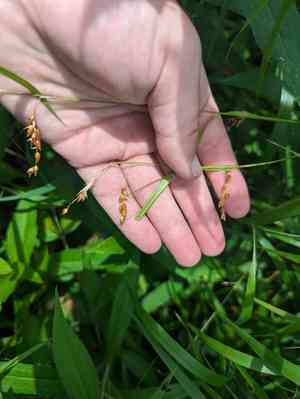
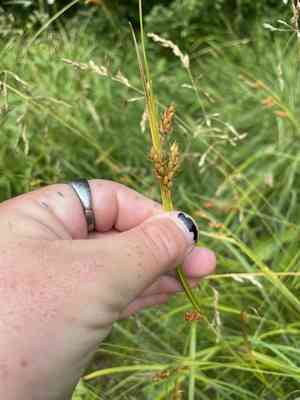
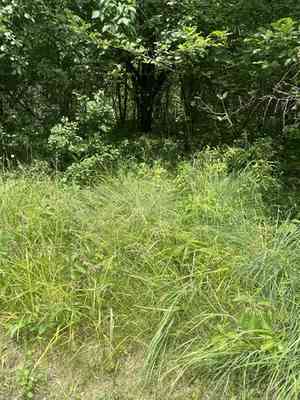
Images of Davis' sedge
Quickly Identify Davis' sedge
1
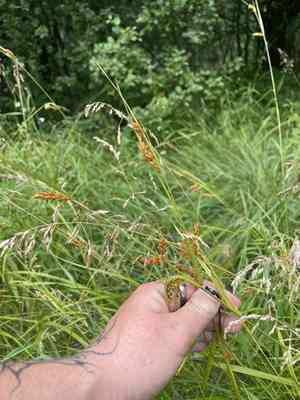
Look for its reddish-brown basal sheaths, triangular stems, and the distinctive ascending to spreading spikes which arise primarily from a single point.
Scientific Classification of Davis' sedge
Phylum
Vascular plants
Class
Monocotyledons
Order
Poales
Family
Sedge
Genus
True sedges
Species
Davis' sedge
Planting and Growing of Davis' sedge
Care Difficulty
Moderate
Watering Schedule
Every 3 days
Sunlight Requirements
Partial sun
Sunshine Duration
4-8 hours
Ideal Temperature
60-75℉
Soil Type
Potting Mix, Peat Mix
Soil pH
6.5-7.5
Fertilizer Type
Balanced
Pruning Season
Spring, Summer
Pruning Area
Branches, Leaves
Pruning Frequency
Once a year
Repotting Season
Spring
Pot Type
Plastic, Ceramic
 How to Water Davis' sedge?
Carex davisii requires a moderate amount of water, roughly about 500 milliliters each time. The aim is to keep the soil consistently moist but not waterlogged. Make sure the water soaks through the soil and excess drains from the bottom to avoid root rot.
What are the symptoms of an underwatered Davis' sedge?
›
What should I do if my Davis' sedge is not getting enough water?
›
What are the symptoms of an overwatered Davis' sedge?
›
How to save an overwatered Davis' sedge?
›
 What Are the Sunlight Requirements for Davis' sedge?
Carex davisii enjoys 2 to 6 hours of sunlight per day, preferably through filtered or shaded settings. This light range supports optimal growth by allowing sufficient time for photosynthesis while preventing overexposure.
Ensuring Optimal Growth
›
Preventing Sunburn
›
Maintaining Soil Moisture
›
 What Is the Ideal Temperature Range for Davis' sedge?
The ideal temperature range for Carex davisii is between 60°F and 75°F. This range allows the plant to thrive by providing optimal conditions for photosynthesis, growth, and reproduction. In this temperature range, the plant's metabolic processes function efficiently, ensuring healthy development and robust foliage.
 What Soil is Best for Davis' sedge?
Carex davisii prefers well-drained soil, which allows excess moisture to escape easily. This prevents root rot and promotes healthy root development, making the plant more robust. While good drainage is essential, the soil should also retain some moisture. This balanced approach ensures that Carex davisii remains hydrated between watering, leading to sustained growth. Richly organic, nutrient-dense soil supports optimal growth for Carex davisii by providing essential minerals and nutrients. This soil condition enhances foliage vibrance and overall plant health.
 How to Fertilize Davis' sedge?
For Carex davisii, it's essential to apply fertilizer moderately. During its growth phase, use a balanced liquid fertilizer diluted at half the recommended strength, ensuring that the roots receive ample nutrients without the risk of burn.
 How to Prune Davis' sedge?
When pruning Carex davisii, avoid cutting back more than one-third of the plant at any time. Over-pruning can stress the plant, inhibiting its growth and reducing its vigor. Careful, measured cuts preserve the plant's energy resources while promoting healthy development. Prune your Carex davisii in early spring or late summer to ensure you don't disrupt its active growing periods. This timing helps the plant to recover quickly from any cuts, and encourages stronger growth for the coming season.
More About Pruning Techniques→
 How to Propagate Davis' sedge plant?
1
Gather mature seeds from the plant in late summer. Ensure they are free of moisture to prevent mold. Store seeds in a cool, dry place if not sown immediately, in a labeled envelope or container.
2
Fill a seed tray with a well-draining soil mix and lightly scatter the seeds over the surface. Gently press them into the soil, then cover seeds with a thin layer of soil. Water periodically, keeping soil moist but not soaked.
3
During early spring, gently dig up the plant clumps and shake off excess soil. Use a sharp garden knife to divide the clump into sections, each with an adequate amount of roots and shoots. Replant divisions immediately to prevent drying out.
 How to Repot Davis' sedge plant?
1
Repotting is needed when Carex davisii outgrows its current pot, showing roots through the drainage holes, or when growth seems stunted. Ideally, repotting is best done during the growing season in spring or early summer to minimize stress on the plant.
2
Choose a pot that is slightly larger than the current one, ideally 2 inches wider. This extra space provides enough room for root growth while preventing excess soil that might retain too much moisture. A pot with good drainage is essential to avoid waterlogging.
3
Opt for a well-draining loamy soil mix. This soil type retains necessary moisture and allows excess water to drain, preventing root rot. Ensuring the right soil helps keep the plant healthy and makes it easier to care for.



