How to Prune Prickly bog sedge?
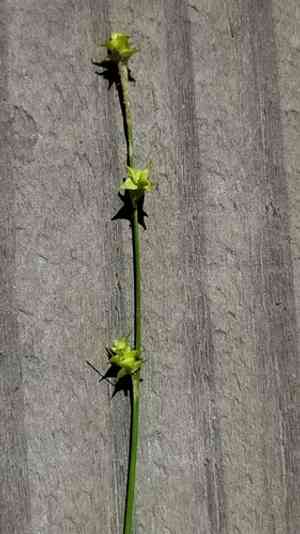
A persistent grass featuring prominent sharp-edged leaves, prickly bog sedge greatly benefits from regular trimming. Essential methods involve cutting back aged and deceased foliage to encourage robust new development. The most suitable periods for pruning are early spring or winter, either preceding or following its inactive stage, to preserve its health and visual attractiveness. Consistent trimming not only maintains the neatness of prickly bog sedge but also deters excessive growth and potential decay, bolstering its strength and well-being in various garden environments.
Advantages of Trimming Prickly Bog Sedge
Advantages of Trimming Prickly Bog Sedge
Trimming prickly bog sedge promotes robust development and maintains its desired form. Regular cutting helps manage its size, reducing density to improve air circulation, which can deter pest infestations and diseases, ensuring a healthier plant.
Optimal Time for Trimming Prickly Bog Sedge
Optimal Time for Trimming Prickly Bog Sedge
Trimming prickly bog sedge in early spring is best as it prepares the plant for new growth after its winter rest. This timing helps stimulate stronger, more vigorous growth as temperatures begin to rise. Winter trimming is also beneficial since the plant is dormant then, reducing stress on prickly bog sedge. Trimming in winter also lowers the risk of disease spread, as many pathogens are less active in cold weather.
Tools Required for Trimming Prickly Bog Sedge
Hand Pruners
Perfect for making clean cuts on prickly bog sedge's thinner stems or leaves, hand pruners offer precision and easy handling around the plant, which is important given the density and prickliness of prickly bog sedge.
Grass Shears
Since prickly bog sedge resembles grass more than typical shrubs, grass shears are excellent for trimming edges and maintaining shape without harming the plant. Grass shears can efficiently manage the fine texture of prickly bog sedge's leaves.
Pruning Saw
For older, woody sections of prickly bog sedge that might develop at the base, a pruning saw is appropriate. It helps manage thicker growth that hand pruners cannot effectively cut through.
How to Trim Prickly Bog Sedge
Identify diseased and withered leaves
Thoroughly inspect prickly bog sedge to locate all diseased and dried-up leaves. Diseased leaves may show spots, discoloration, or deformities, while withered leaves appear parched and brown.
Sterilize tools
Sanitize pruning tools before use to prevent disease transmission. Use a bleach or alcohol solution to clean the blades, ensuring each cut is as clean as possible to encourage healthy re-growth in prickly bog sedge.
Precise cutting
Using sharp, clean shears, carefully remove the identified diseased and withered leaves at their base where they connect to the stem or ground. Make clean cuts to avoid tearing, which can further stress prickly bog sedge.
Dispose of debris
Properly discard the removed leaves by placing them in a bin or bag for yard waste. Do not compost diseased materials as this might risk spreading pathogens back into the garden.
Monitor health post pruning
After trimming, continue to regularly observe the health of prickly bog sedge. Check for signs of new growth or any persistent issues requiring further care or future trimming.
Common Trimming Errors with Prickly Bog Sedge
Over-pruning
A frequent mistake when trimming prickly bog sedge is removing too much foliage at once. This can stress the plant and lead to reduced vigor.
Improper technique
Using dull or dirty tools can damage the stems of prickly bog sedge, potentially leading to disease and poor growth. Additionally, making jagged or angled cuts, rather than clean, straight ones, may hinder the plant's natural healing process.
Ignoring plant health
Attempting to trim prickly bog sedge when it is unhealthy or stressed can worsen its condition. Trimming should ideally be performed when the plant shows signs of active growth.
General Trimming Advice for Prickly Bog Sedge
Clean tools
Ensure that trimming tools are sharp and clean before starting. This prevents the introduction of pathogens and ensures clean cuts that heal quickly.
Selective pruning
Focus on removing dead or damaged foliage from prickly bog sedge, which helps concentrate the plantâs energy in healthy growth. Also, thin out dense areas to increase airflow and reduce the risk of fungal infections.
Consider plant form
Understanding the natural shape and growth pattern of prickly bog sedge is crucial. Trim in a way that maintains its natural form, promoting a balanced structure and aesthetic appeal.



