The Prickly bog sedge Plant Advantage: Maximizing Home and Office Appeal and Wellness
1
Prickly bog sedge is a native, easy-to-care-for plant perfect for wetland rehabilitation.
2
This plant offers shelter and sustenance to diverse animal life.
3
Prickly bog sedge aids in preventing soil loss due to its robust root structure.
What Makes Prickly bog sedge Special?
Native Habitats
Prickly bog sedge naturally thrives in wetland environments, particularly in boggy areas. Its adaptation to these unique conditions makes it a perfect fit for waterlogged soils that many other plants cannot tolerate.
Unique Physical Characteristics
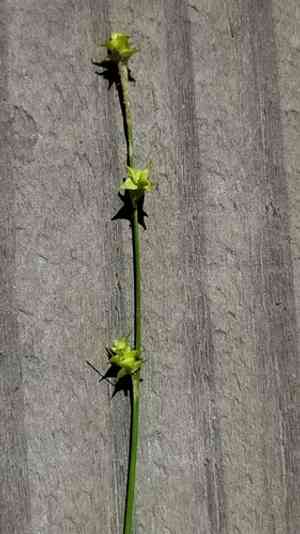
The plant features stiff, triangular stems and foliage that gives it a distinctive appearance. Its dense growth pattern allows it to thrive in compact areas, providing a natural, lush cover that is beneficial for wetland restoration projects.
How Does Prickly bog sedge Benefit Wetlands?
Soil Stabilization
One of the most significant benefits of Prickly bog sedge is its ability to stabilize soil. Its strong, fibrous root system helps to bind soil particles together, reducing the risk of erosion, especially in flood-prone areas. This stabilization is crucial for maintaining the integrity of wetland ecosystems.
Water Purification
Prickly bog sedge plays a role in filtering and purifying water. The plant captures and absorbs contaminants, such as heavy metals and nutrients like nitrogen and phosphorus, helping to improve water quality in its growing area. This natural filtration process is vital for maintaining healthy aquatic ecosystems.
Why Should You Consider Prickly bog sedge for Your Garden?
Low Maintenance Requirements
Gardeners looking for a hardy, low-maintenance plant will find Prickly bog sedge to be an excellent choice. It requires minimal care once established, needing little more than occasional trimming and watering during dry periods. This makes it a sustainable option for eco-friendly gardening.
Attracting Wildlife
Prickly bog sedge acts as an important habitat and food source for various wildlife, including insects, birds, and small mammals. Planting Prickly bog sedge in your garden can encourage biodiversity and create a dynamic, vibrant ecosystem. Birdwatchers and nature enthusiasts will particularly appreciate the increased wildlife activity around this plant.
What Are the Environmental Advantages of Prickly bog sedge?
Carbon Sequestration
Like all plants, Prickly bog sedge captures carbon dioxide from the atmosphere during photosynthesis, contributing to carbon sequestration efforts. This process helps mitigate the effects of climate change by reducing greenhouse gases in the atmosphere.
Enhancing Biodiversity
Planting Prickly bog sedge in various ecosystems can significantly enhance biodiversity. Its presence supports a range of other plant and animal species, creating more resilient and balanced ecosystems. By fostering such environments, Prickly bog sedge plays a crucial role in ecological conservation.
How Can You Integrate Prickly bog sedge Into Your Landscaping?
Ideal Planting Conditions
Prickly bog sedge is best planted in moist, well-drained soils, although it can tolerate a range of soil types. It prefers full sun to partial shade, making it adaptable to various garden settings. Planting Prickly bog sedge along water features, in container gardens, or as part of a naturalistic landscape can enhance its aesthetic appeal.
Companion Plants
Combining Prickly bog sedge with other native wetland plants can create beautiful, low-maintenance landscape features. Suitable companion plants include irises, ferns, and other sedges that share similar growing conditions. These combinations can help create a diverse, attractive, and sustainable garden environment.



