How to Prune Purple bitter-cress?
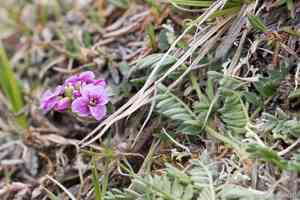
Renowned for its striking violet blossoms, purple bitter-cress thrives with trimming performed in early spring or late winter. Snip off any lifeless or compromised stalks to foster robust development and intensify flowering. Discard faded blooms to extend the period of flowering and avert undesirable seed dispersal. Executing pruning during these times aligns with the plant's inherent growth rhythm, resulting in a denser, more brilliant presentation. This practice also aids in managing its occasionally vigorous proliferation and preserving a neat garden aesthetic.
What Are the Benefits of Pruning Purple Bitter-cress?
What Are the Benefits of Pruning Purple Bitter-cress?
Purple bitter-cress thrives with pruning, promoting vigorous growth and maintaining its form. Trimming this plant encourages healthy development, manages its size, and fosters a neat appearance. Consistent pruning helps deter pests and diseases, ensuring a strong and vibrant plant.
What Is the Best Time for Pruning Purple Bitter-cress?
What Is the Best Time for Pruning Purple Bitter-cress?
Pruning or trimming purple bitter-cress is best performed in early spring or late winter, as this timing aligns with the plant's natural growth and dormant periods. Pruning during these seasons encourages robust regrowth and prevents potential harm to new shoots that emerge in warmer months. Furthermore, this schedule allows for shaping and managing the plant before its flowering phase, ensuring the bloom cycle remains undisturbed. Early spring and late winter pruning also help direct the plant's energy towards new development, resulting in a more resilient and healthy plant overall.
What Tools Do I Need to Prune Purple Bitter-cress?
Hand Pruners
Perfect for precise cuts on small stems and branches, helping maintain the plant's shape and encouraging healthy development. Suitable given the small size and delicate nature of purple bitter-cress.
Garden Scissors
Effective for trimming and deadheading flowers, ensuring the removal of spent blooms to stimulate new growth. Their smaller, sharp blades are ideal for the detailed work required by purple bitter-cress.
Bypass Pruners
Essential for clean cuts on slightly thicker stems without crushing plant tissue, preserving the overall health of purple bitter-cress.
How to Prune Purple Bitter-cress
Clean tools
Ensure all pruning implements are clean and sharp to prevent disease transmission and guarantee precise cuts.
Inspect plant
Carefully examine purple bitter-cress for any indications of disease or withered foliage.
Remove diseased leaves
Cut off diseased leaves at their base using sanitized scissors or pruning shears. Dispose of them away from the garden to avoid contamination.
Remove withered leaves
Trim withered leaves near the base, taking care to avoid damaging healthy sections of the plant.
Monitor and maintain
Regularly check purple bitter-cress for any new signs of disease or decay and repeat the pruning process as needed.
Common Pruning Mistakes with Purple Bitter-cress
Over-pruning
Removing too much foliage can stress purple bitter-cress, hindering its ability to photosynthesize and recover, which ultimately affects growth and flowering.
Improper technique
Using dull or dirty tools can result in jagged cuts and introduce disease. Additionally, cutting too close to the main stem can harm the plant.
Ignoring dead or diseased parts
Failing to remove dead or diseased stems and leaves can promote the spread of disease and pests.
Random cutting
Pruning without a clear strategy or understanding of purple bitter-cress's growth pattern can lead to an uneven shape and poor health.
Common Pruning Tips for Purple Bitter-cress
Use sharp, clean tools
Ensure that pruning shears are sharp and sanitized to make clean cuts and reduce the risk of disease transmission.
Remove dead or diseased parts first
Begin by cutting away any dead or diseased stems and leaves to prevent further spread and to promote healthy growth.
Prune selectively
Focus on cutting back leggy or overgrown shoots to maintain shape and encourage fuller growth. Avoid cutting more than one-third of the plant at a time to minimize stress.
Cut at an angle
Make cuts at a slight angle above a leaf node or bud to promote better healing and new growth development.
Observe and adjust
Regularly check for how purple bitter-cress responds to pruning. Adjust techniques based on growth patterns and health to ensure optimal results.


