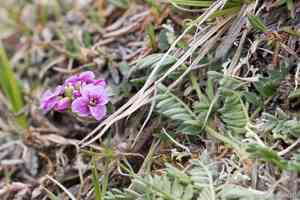
Purple bitter-cress (Cardamine purpurea)
Also known as: Purple Toothwort
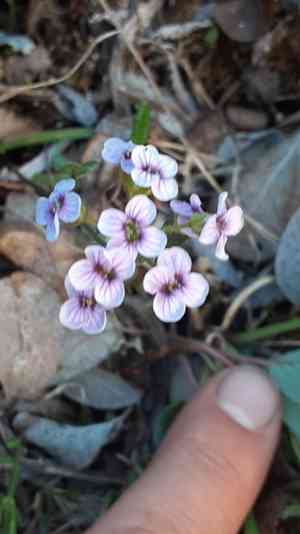
Purple bitter-cress (Cardamine douglassii) is a perennial plant known for its slender stems and small, rounded leaves that often exhibit a striking purple tint. Its clusters of bright pink to lilac flowers emerge in the early spring, making the plant particularly noticeable in its preferred moist, shaded environments. The vibrant flower colors create a stark contrast against the typically green and brown tones of the forest floor, effectively attracting pollinators like bees and butterflies. This early blooming period, combined with its eye-catching hues, helps purple bitter-cress thrive by drawing in vital pollinators and reducing competition for resources.
In This Article
Attributes of Purple bitter-cress
Lifespan
Biennial
Plant Type
Herb
Plant Height
15-30 cm
Spread
Not applicable, as this plant has a herbaceous form.
Leaf Color
Green
Flower Size
1-2 cm
Flower Color
Purple
Images of Purple bitter-cress
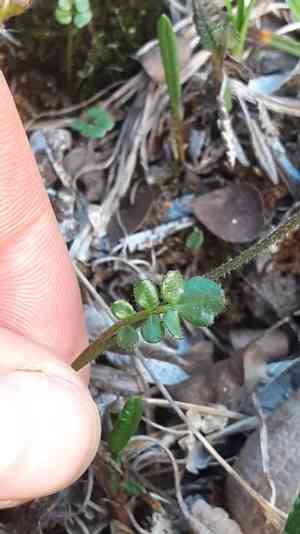
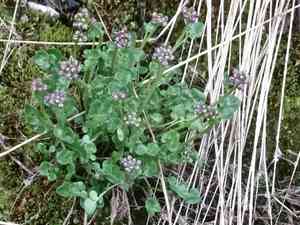
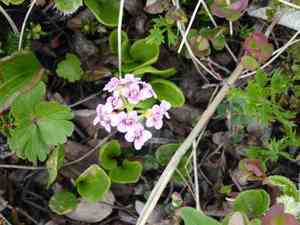
Quickly Identify Purple bitter-cress
1
Cardamine purpurea can be identified by its distinct purple flowers, pinnate leaves, and its growth in moist, shady areas. The flowers have four petals and are arranged in a raceme.
Scientific Classification of Purple bitter-cress
Phylum
Vascular plants
Class
Dicotyledons
Order
Brassicales
Family
Cruciferae
Genus
Bittercresses
Species
Purple bitter-cress
Planting and Growing of Purple bitter-cress
Care Difficulty
Moderate
Watering Schedule
Every 2 days
Sunlight Requirements
Partial sun
Sunshine Duration
6-10 hours
Ideal Temperature
60-75℉
Soil Type
Potting Mix, Peat Mix
Soil pH
6.5-7.5
Fertilizer Type
Balanced
Pruning Season
Spring, Summer
Pruning Area
Branches, Leaves
Pruning Frequency
2 times a year
Repotting Season
Spring
Pot Type
Plastic, Ceramic
 How to Water Purple bitter-cress?
Cardamine purpurea thrives when watered to keep the soil consistently moist but not waterlogged. Aim for around 150 ml per watering session, ensuring the top 2-3 centimeters of the soil are evenly moistened.
What are the symptoms of an underwatered Purple bitter-cress?
›
What should I do if my Purple bitter-cress is not getting enough water?
›
What are the symptoms of an overwatered Purple bitter-cress?
›
How to save an overwatered Purple bitter-cress?
›
 What Are the Sunlight Requirements for Purple bitter-cress?
A balance of partial sun to light shade, Cardamine purpurea thrives with filtered sunlight. This optimal light range promotes lush, unhindered growth while maintaining plant health.
What is the best light condition for Cardamine purpurea?
›
How can you ensure optimal light exposure for Cardamine purpurea?
›
What benefits does ideal lighting bring to Cardamine purpurea?
›
 What Is the Ideal Temperature Range for Purple bitter-cress?
The ideal temperature range for Cardamine purpurea is between 60°F and 75°F. These temperatures closely mimic the plant's natural environment, promoting optimal growth and development. Within this range, the plant can efficiently perform photosynthesis and other metabolic processes necessary for its health and vigor.
 What Soil is Best for Purple bitter-cress?
Cardamine purpurea thrives best in nutrient-rich loam, providing the essential minerals vital for growth. Such soil ensures robust root development and vibrant foliage, producing healthy and flourishing plants. It requires well-drained soil that prevents water accumulation around the roots. This drainage capacity protects the plant from root rot, ensuring longevity and sustained growth. The soil must maintain moisture without becoming waterlogged. Sufficient moisture supports continuous nutrient uptake, boosting the plant’s resilience to environmental stresses.
 How to Fertilize Purple bitter-cress?
For Cardamine purpurea, use a balanced liquid fertilizer diluted to half strength. Apply about 5ml of this solution per liter of water, ensuring the soil is moist but not overly saturated after application.
 How to Prune Purple bitter-cress?
Begin by removing any dead, diseased, or yellowing leaves. This not only improves the plant's appearance but also prevents the spread of any pathogens to healthy tissue. Gently remove these leaves to promote new growth and vitality. To maintain the desired shape, make clean cuts just above a leaf node. This encourages bushier growth and a fuller appearance. It's essential to step back often to assess the plant's shape and ensure you are enhancing its natural form. Pruning is not only a matter of aesthetics but also practical for preventing disease. Thinning out crowded areas helps improve air circulation around the foliage, reducing the likelihood of fungal infections. Focus on the dense inner parts, cutting back sufficient leaves to expose the remaining ones to air and light.
More About Pruning Techniques→
 How to Propagate Purple bitter-cress plant?
1
Collect seeds from mature Cardamine purpurea plants, ensuring they are dry and viable. Sow them evenly in seed trays filled with potting soil.
2
Prepare loose, well-draining soil to enhance seed germination and growth. Incorporate organic matter to retain moisture and provide necessary nutrients.
3
For division propagation, carefully separate the root mass into several sections, ensuring each section has adequate roots and shoots for independent growth.
 How to Repot Purple bitter-cress plant?
1
Repot Cardamine purpurea when you notice roots circling the pot or emerging from the drainage holes, indicating the plant has outgrown its current container. Spring or autumn are ideal for repotting as the plant enters its active growth phase, allowing it to establish in a new pot before either the intense heat of summer or the cold of winter.
2
Choose a pot that is 1-2 inches larger in diameter than the current pot. Opt for one with proper drainage holes to prevent waterlogging. A terracotta pot is beneficial as its porous nature allows excess moisture to evaporate, reducing the risk of root rot while promoting healthy root development.
3
Cardamine purpurea thrives in well-draining potting mixes that retain moisture without becoming soggy. A mix enriched with organic matter aids in nutrient retention and provides a loose, aerated environment, which is crucial for root health and overall plant vitality.


