How to Prune Alpine bittercress?
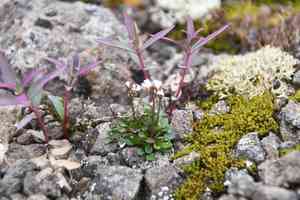
Known for its white blossoms and fine leaves, alpine bittercress thrives with trimming during spring or summer. Cut away any deceased or drooping sections to foster robust development and blooming. Employ sharp, sanitized cutting tools to avert illness and facilitate rapid recovery. Consistent trimming aids in boosting air movement and light exposure, thereby strengthening the plant's vitality. Always make cuts directly above a leaf joint to stimulate fresh growth, and refrain from extensive pruning as it may cause distress to the plant.
What Are the Benefits of Pruning Alpine Bittercress?
What Are the Benefits of Pruning Alpine Bittercress?
Trimming alpine bittercress encourages robust development and maintains its form, ensuring a neat garden appearance. Strategic cutting helps manage size, eliminating weak or damaged sections and preventing pest issues while fostering healthy, strong growth.
What Is the Best Time for Pruning Alpine Bittercress?
What Is the Best Time for Pruning Alpine Bittercress?
The optimal time for pruning or trimming alpine bittercress is during the spring and summer months. In spring, the plant enters its active growth phase, allowing it to recover quickly from cuts and stimulating new development. Summer pruning, following the main bloom period, aids in preserving the plant's shape and vitality without disrupting its flowering cycle. Furthermore, pruning outside its dormant winter period reduces the risk of disease and pest infestation, ensuring alpine bittercress remains healthy and vibrant.
What Tools Do I Need to Prune Alpine Bittercress?
Hand Pruners
Ideal for precise pruning tasks like removing dead or damaged leaves and stems. Perfect for alpine bittercress due to its small size and delicate nature.
Snips/Floral Shears
Designed for accurate cuts, excellent for trimming small stems and flowers without harming the plant. Suitable for alpine bittercress to maintain its aesthetic and health.
Fine-tipped Scissors
Allows for exact cuts on very small plant parts. Essential for detailed work on alpine bittercress, especially around its foliage and blossoms.
How to Prune Alpine Bittercress
Assessment
Carefully inspect alpine bittercress to identify diseased, withered, and unhealthy stems that require trimming.
Sterilize
Clean and sanitize your pruning tools with rubbing alcohol or a bleach solution to prevent the spread of pathogens.
Cut Diseased Leaves
Remove any diseased leaves by cutting them at their base, close to the stem, ensuring no damage to surrounding healthy tissue.
Cut Withered Leaves
Trim withered leaves in the same manner, cutting them at the base near the stem to encourage healthy new growth.
Remove Diseased Stems
Cut diseased stems back to healthy, green growth. If the disease is widespread, remove the entire stem to prevent further spread.
Common Pruning Mistakes with Alpine Bittercress
Over-pruning
Removing too much of the plant can weaken its structure and reduce its ability to photosynthesize effectively, leading to poor growth and fewer blooms.
Incorrect tool usage
Using dull or unsuitable tools can damage the plant's tissues, leading to injury and increased susceptibility to disease.
Improper cutting technique
Making jagged or uneven cuts can expose alpine bittercress to infections and slow down its healing process.
Pruning at the wrong time
Even though timing has been covered elsewhere, pruning without considering the plantâs growth stage can disrupt its natural cycle and hinder blooming.
Ignoring dead or diseased parts
Failing to remove dead or infected portions can spread disease and negatively impact the overall health of alpine bittercress.
Common Pruning Tips for Alpine Bittercress
Use sharp, clean tools
Always ensure your pruning shears or scissors are sharp and sterilized to make clean cuts and prevent disease transmission.
Practice minimal pruning
Since alpine bittercress is a delicate plant, prune sparingly to avoid stressing it. Focus on removing dead or damaged foliage and any overgrown sections that hinder airflow or growth.
Make clean cuts
When cutting stems or leaves, aim for a clean, straight cut just above a node or bud to promote healthy growth and quick recovery.
Observe the plant's structure
Alpine bittercress has a natural, compact growth habit. Follow its inherent shape when pruning to maintain an attractive form and avoid disrupting its natural look.
Remove only what is necessary
Less is more when it comes to alpine bittercress. Prune only the parts that are dead, diseased, or significantly out of place to ensure the plant uses its energy efficiently for growth and flowering.



