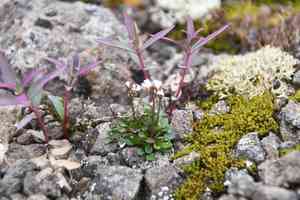
Alpine bittercress (Cardamine bellidifolia)
Also known as: None
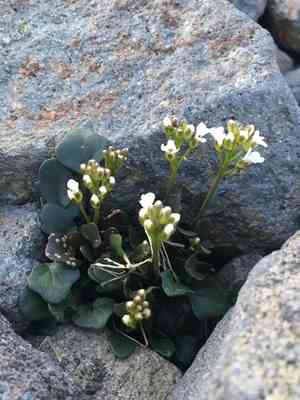
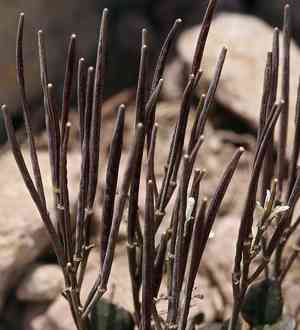
Alpine bittercress (Cardamine bellidifolia) is a hardy perennial that thrives in the cold, rocky environments of alpine and subalpine regions. It grows close to the ground to withstand strong winds and harsh weather. The plant features small, white or pale pink flowers that bloom in spring, standing on slender stems. Its leaves form dense basal rosettes and are pinnately divided with rounded leaflets, providing a striking contrast to the rugged terrain it inhabits.
In This Article
Attributes of Alpine bittercress
Lifespan
Perennial
Plant Type
Herb
Plant Height
0 mm to 30 cm
Spread
N/A
Leaf Color
Green
Flower Size
5-10 mm
Flower Color
White Purple
Images of Alpine bittercress
Quickly Identify Alpine bittercress
1
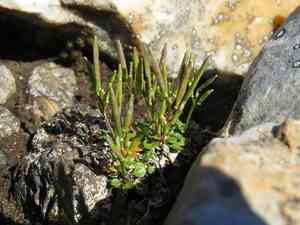
To identify Cardamine bellidifolia, look for its small stature, typically only a few inches tall, rosette-forming leaves that are simple and slightly toothed, as well as its small clusters of white or pale pink flowers on slender stems.
Scientific Classification of Alpine bittercress
Phylum
Vascular plants
Class
Dicotyledons
Order
Brassicales
Family
Cruciferae
Genus
Bittercresses
Species
Alpine bittercress
Planting and Growing of Alpine bittercress
Care Difficulty
Moderate
Watering Schedule
Every 2 days
Sunlight Requirements
Partial sun
Sunshine Duration
4-6 hours
Ideal Temperature
50-70℉
Soil Type
Potting Mix, Peat Mix
Soil pH
6.5-7.5
Fertilizer Type
Balanced
Pruning Season
Spring, Summer
Pruning Area
Branches, Leaves
Pruning Frequency
2 times a year
Repotting Season
Spring
Pot Type
Plastic, Ceramic
 How to Water Alpine bittercress?
Cardamine bellidifolia thrives when its soil is kept consistently moist but not soggy. Watering should mimic the natural rainfall conditions of its alpine habitat, supplying approximately 120ml at a time. Ensure water penetrates the roots thoroughly but avoid leaving standing water in the pot's saucer, which could drown the roots.
What are the symptoms of an underwatered Alpine bittercress?
›
What should I do if my Alpine bittercress is not getting enough water?
›
What are the symptoms of an overwatered Alpine bittercress?
›
How to save an overwatered Alpine bittercress?
›
 What Are the Sunlight Requirements for Alpine bittercress?
Partial sun exposure provides the ideal light range, promoting healthy growth and vibrant foliage. The balance between light and shade prevents the stress caused by extreme conditions, supporting its natural life cycle and resilience.
What is the best type of sunlight for Cardamine bellidifolia?
›
How can I create the best lighting environment?
›
What are the benefits of providing ideal lighting?
›
 What Is the Ideal Temperature Range for Alpine bittercress?
Cardamine bellidifolia thrives best within a temperature range of 50 to 70 degrees Fahrenheit. In this range, the plant can maintain optimal metabolic functions and growth. Maintaining this temperature helps ensure healthy foliage and flower production, as well as root system development. Any deviation from this ideal temperature may result in compromised health or growth rate, so careful monitoring is essential.
 What Soil is Best for Alpine bittercress?
Cardamine bellidifolia thrives in well-draining soil. This prevents waterlogging, reducing the risk of root rot and allowing the plant to absorb nutrients efficiently. This plant prefers nutrient-rich soils that can consistently supply essential minerals. Nutrient abundance aids in robust plant growth and boosts flowering. Although drainage is crucial, the soil should also retain some moisture. This balances hydration needs, especially in drier conditions, optimizing growth and development.
 How to Fertilize Alpine bittercress?
For Cardamine bellidifolia, the fertilizer amount should be minimal, reflecting its natural alpine environment. Over-fertilization can harm this delicate plant. Use diluted liquid fertilizer at half the recommended strength for a typical houseplant to prevent nutrient burn.
 How to Prune Alpine bittercress?
Before making any cuts, take a step back and assess the overall shape you want to achieve. Planning your cuts will help you prune with intention and keep the plant looking natural. Start by removing any dead or damaged stems. This not only aids in improving the plant's appearance but also enhances airflow, reducing the risk of fungal infections. Cardamine bellidifolia can become leggy if not periodically trimmed. Cut back any excessively long growth to encourage bushier growth and prevent the plant from becoming too sparse.
More About Pruning Techniques→
 How to Propagate Alpine bittercress plant?
1
Fill seed trays with a well-draining potting mix, ideally with a high sand content to simulate natural growing conditions. Ensure the surface is smooth and even before sowing seeds.
2
Broadcast the Cardamine bellidifolia seeds evenly across the prepared soil surface. Lightly press the seeds into the soil or cover them lightly with a thin layer of soil to keep them in place.
3
Lightly water the seeds, ensuring the soil remains moist but not waterlogged. Maintain consistent moisture levels, especially during early germination, for successful plant establishment.
 How to Repot Alpine bittercress plant?
1
Look for signs such as roots protruding from drainage holes, slow growth, or compacted soil. These are clear indicators that Cardamine bellidifolia is in need of repotting. Ideally, repot when the plant is transitioning from dormancy in early spring, ensuring it handles the change effectively.
2
Select a pot that is slightly larger than the current one, ideally 1-2 inches wider in diameter. This size ensures enough space for root expansion while allowing the plant to settle comfortably without water logging. A pot with drainage holes helps prevent root rot and regulates moisture levels.
3
Choose a well-draining potting mix with a pH close to neutral, incorporating elements like perlite or sand for enhanced aeration. This ensures good drainage and aeration, reducing the risk of root diseases and promoting healthy growth.



