How to Prune Maunaloa?
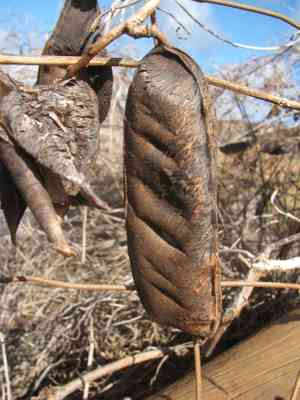
Maunaloa is recognized for its robust, ascending tendrils and expansive, lustrous foliage. Essential trimming methods involve excising deceased or compromised stalks and managing rampant development to sculpt the specimen. The most suitable periods for pruning are late winter and early spring, coinciding with the plant's developmental phase. Consistent trimming fosters improved air circulation and light exposure, diminishing the likelihood of ailments and stimulating more robust development. Ensure implements are honed and disinfected to avert contagions.
What Are the Benefits of Pruning Maunaloa?
What Are the Benefits of Pruning Maunaloa?
Maunaloa pruning encourages robust development and maintains its form. It boosts blooming, manages size, improves look, and increases resistance to pests and illnesses, ensuring the plant flourishes.
What Is the Best Time for Pruning Maunaloa?
What Is the Best Time for Pruning Maunaloa?
Trimming maunaloa in early spring or late winter is considered ideal because this period aligns with the plant's inactive phase. During dormancy, the plant is less vulnerable to stress and sickness. Pruning at this time enhances maunaloa's overall well-being and stimulates vigorous new growth when the active season begins. Additionally, pruning before the growth period helps shape the plant and remove any dead or damaged branches, promoting better flowering or fruiting.
What Tools Do I Need to Prune Maunaloa?
Bypass Pruners
Bypass pruners are perfect for making precise cuts on delicate stems and smaller branches of maunaloa. These tools ensure a healthy trim without crushing plant tissue.
Lopping Shears
Lopping shears are suitable for thicker branches of maunaloa, providing greater leverage and longer handles, which help reach deeper into the plant's canopy.
Pruning Saw
A pruning saw is essential for cutting larger branches or stems of maunaloa that pruners and lopping shears cannot manage. Its sharp teeth create smooth, clean cuts.
Hedge Shears
Hedge shears are useful for shaping and trimming the overall foliage of maunaloa, especially when managing its vertical or horizontal expansion.
How to Prune Maunaloa
Assess damaged areas
Examine maunaloa thoroughly to pinpoint diseased and withered leaves. Look for indicators such as discoloration, wilting, or spots.
Sterilize tools
Before pruning, sanitize your pruning shears with a solution of one part bleach to ten parts water. This prevents the spread of disease.
Prune diseased leaves
Carefully snip away diseased leaves at the base where they connect to the stem to remove any infected parts. Dispose of these leaves away from other plants.
Remove withered leaves
Cut off all withered leaves by following the leaf stem to the main plant stem and making a clean cut. Ensure you remove all dead material to encourage healthy growth.
Discard trimmings properly
Dispose of all trimmings, especially diseased parts, in a sealed bag or by burning to prevent any disease from spreading to other plants.
Common Pruning Mistakes with Maunaloa
Over-pruning
Excessive trimming can severely stress maunaloa, leading to poor health and reduced flowering. Removing too much foliage at once can also expose the plant to pests and diseases.
Pruning incorrect branches
A common error is cutting healthy, upper branches instead of focusing on dead, damaged, or overcrowded lower branches. Improper selections can hinder growth and flowering potential.
Using blunt tools
Using dull or inadequate tools can cause jagged cuts that take longer to heal, increasing the risk of infections and diseases.
Unaware of plant structure
Not understanding the natural growth habit of maunaloa can lead to removing crucial branches that support its structure, affecting its overall form and health.
Common Pruning Tips for Maunaloa
Use sharp, clean tools
Always use sharp, sterilized pruners to make clean cuts, minimizing the risk of disease and promoting faster healing.
Remove dead or diseased branches first
Start by cutting away any dead, diseased, or damaged branches to prevent the spread of pathogens and stimulate new growth.
Focus on crowded areas
Thin out congested areas to enhance air circulation and light penetration, aiding in the overall health of maunaloa.
Make cuts at an angle
Always cut at a 45-degree angle above a node or bud to encourage healthy new growth and proper drainage from the cut surface.
Avoid cutting too close to the node
When pruning near a node, ensure to leave a small stub to prevent damaging the growth point and to encourage vigorous regrowth.



