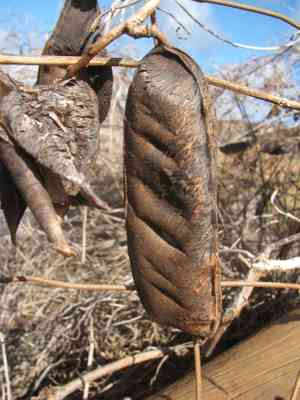
Maunaloa (Canavalia cathartica)
Also known as: Purgative Canavalia, Wild Jack Bean
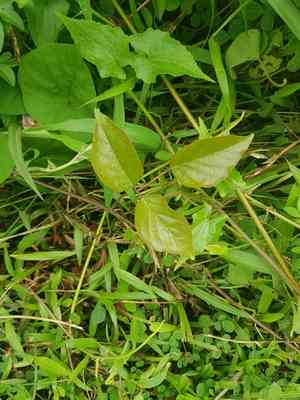
Maunaloa is a hardy climbing vine known for its striking, butterfly-shaped flowers, usually in hues of pink and purple. Its broad, trifoliate leaves and strong, rope-like stems allow it to flourish in coastal areas. The plant's extensive root network effectively stabilizes sand dunes, preventing erosion. Additionally, its curved seed pods, which resemble swords, open when mature to spread seeds, aiding in propagation.
In This Article
Attributes of Maunaloa
Lifespan
Perennial
Plant Type
Vine, Herb
Plant Height
1-3 meters
Spread
1-2 meters
Leaf Color
Green
Flower Size
3-5 cm
Flower Color
Purplish-pink
Images of Maunaloa
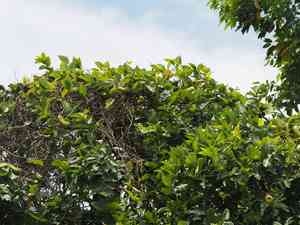
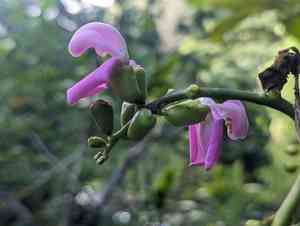
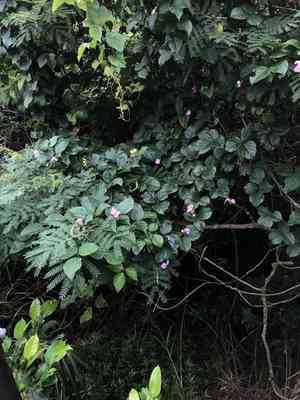
Quickly Identify Maunaloa
1
Canavalia cathartica can be identified by its trifoliate leaves, large purplish-pink flowers, and elongated seed pods. The seeds are large and kidney-shaped.
Scientific Classification of Maunaloa
Phylum
Vascular plants
Class
Dicotyledons
Order
Fabales
Family
Legume
Genus
Jackbeans
Species
Maunaloa
Planting and Growing of Maunaloa
Care Difficulty
Easy
Watering Schedule
Every 4 days
Sunlight Requirements
Full sun
Sunshine Duration
4-8 hours
Ideal Temperature
68-86℉
Soil Type
Potting Mix, Peat Mix
Soil pH
5.5-7.5
Fertilizer Type
Balanced
Pruning Season
Spring, Summer
Pruning Area
Branches, Leaves
Pruning Frequency
2 times a year
Repotting Season
Spring
Pot Type
Plastic, Terracotta
 How to Water Maunaloa?
Canavalia cathartica is a sturdy plant that typically requires around 500 milliliters of water per session. The key is to water until the soil is moist but not drenched. Ensure that the water seeps down to the roots but doesn't leave the soil soggy.
What are the symptoms of an underwatered Maunaloa?
›
What should I do if my Maunaloa is not getting enough water?
›
What are the symptoms of an overwatered Maunaloa?
›
How to save an overwatered Maunaloa?
›
 What Are the Sunlight Requirements for Maunaloa?
Canavalia cathartica thrives in full sun to partial sun conditions, benefiting from 6-8 hours of sunlight daily, which promotes health, vigor, and flowering.
Solution for Ideal Lighting
›
Tips for Optimal Placement
›
Benefits of Ideal Lighting
›
 What Is the Ideal Temperature Range for Maunaloa?
The ideal temperature range for growing Canavalia cathartica is between 68°F and 86°F. Maintaining this range promotes optimal growth and ensures vigorous plant health, as these temperatures create an environment conducive to enzyme activity necessary for plant processes such as photosynthesis and nutrient uptake.
 What Soil is Best for Maunaloa?
Canavalia cathartica thrives in well-drained soil to prevent root rot. The roots need minimal water retention, allowing excellent aeration, which promotes healthy plant growth by preventing fungal infections. This plant requires soil rich in organic matter to provide essential nutrients. Compost or well-rotted manure can enhance soil fertility, ensuring continuous growth and vibrant foliage. Moisture is vital, but waterlogged conditions must be avoided. Sandy loam provides balanced moisture levels, aiding in the efficient uptake of nutrients without suffocating the roots.
 How to Fertilize Maunaloa?
For Canavalia cathartica, using a balanced 10-10-10 NPK fertilizer is ideal. When applying liquid fertilizer, dilute it to half the recommended strength to avoid over-fertilization. For solid fertilizers, distribute around 50 grams per plant, ensuring the granules are spread evenly around the base. Always water the plants thoroughly after applying fertilizers to help absorption.
 How to Prune Maunaloa?
Begin by identifying any excessive or dead growth within the vine. Canavalia cathartica can grow rapidly, making areas of thick growth common. Make your cuts at a 45-degree angle to facilitate rainwater runoff and reduce the risk of rot. Ensure cuts are clean and precise. Focus on removing branches that cross over others to prevent tangling and ensure light and air penetrate the vine. This enhances overall plant health. After pruning, monitor the plant's growth to gauge how it responds. Slight regrowth indicates successful pruning, which should stimulate further healthy development.
More About Pruning Techniques→
 How to Propagate Maunaloa plant?
1
Choose healthy, mature seeds from a reputable source. This is crucial because high-quality seeds increase the likelihood of successful germination and healthy plants.
2
Prepare a well-drained potting mix with equal parts of sand and compost. This mixture provides the necessary nutrients and drainage for seedlings to thrive.
3
Plant the seeds about 1 cm deep into the soil and cover them. Ensure seeds are spaced adequately to prevent overcrowding, which can lead to poor air circulation and fungal issues.
 How to Repot Maunaloa plant?
1
Repot Canavalia cathartica when you notice roots emerging from the drainage holes or the plant appears to be pot-bound. Spring and summer are ideal because the plant is actively growing and will recover faster. Repotting at these times ensures minimal stress and provides the plant with fresh nutrients during its peak growth phase.
2
Select a pot that is one size larger than the current one, ensuring there are adequate drainage holes. The ideal pot would allow some extra space for root expansion without being excessively large, which can cause the roots to remain too wet due to excess soil, encouraging rot. A pot that balances the plant’s needs ensures healthy growth and stability.
3
Choose a well-draining potting mix with good aeration to prevent waterlogging and root rot. A balanced mix allows for adequate moisture retention while facilitating excess water to drain away, protecting the roots. This soil composition supports healthy root growth and nutrient uptake, leading to a thriving plant.
Toxicity
Ingestion
WARNING
The judgment on toxicity and danger is for reference only. We DO NOT GUARANTEE any accuracy of such judgment. Therefore, you SHALL NOT rely on such judgment. It is IMPORTANT TO SEEK PROFESSIONAL ADVICE in advance when necessary.
Learn More About Maunaloa Diseases
Anthracnose
Bacterial Leaf Spot
Bacterial Wilt
Chemical Injury
Cyst Nematode
Damping-off
Downy Mildew
Drought Stress
Fusarium Wilt
Gray Mold
Leaf Curl
Leaf Spot
Mosaic
Nutrient Deficiency
Nutrient Toxicity
Powdery Mildew
Root Rot
Root-knot Nematode
Rusts
Sooty Mold
Spider Mites
Temperature Stress
Thrips Damage
White Mold



