How to Prune Olympic bellflower?
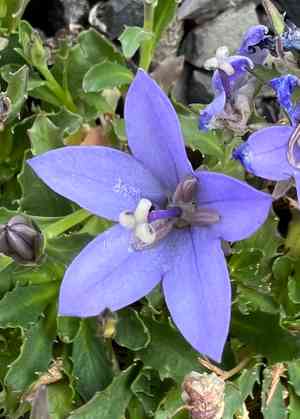
Olympic bellflower displays appealing, campanulate blossoms. The most effective time for trimming is in late winter or early spring to eliminate deceased or injured stalks, foster robust new development, and preserve its form. Sever stems near the ground level or above a thriving bud. Discard faded blooms throughout the flowering period to stimulate additional blossoming. Trimming enhances air movement and deters ailments, thereby boosting the plant's general strength and longevity. Always use sharp, sanitized implements to prevent contamination and ensure precise cuts.
Advantages of Trimming Olympic Bellflower
Advantages of Trimming Olympic Bellflower
Olympic bellflower benefits from trimming by promoting vigorous growth and maintaining its form. Pruning helps keep its compact shape, encourages healthier development, boosts flowering, and reduces disease and pest problems, ensuring a strong, attractive plant.
Optimal Time for Pruning Olympic Bellflower
Optimal Time for Pruning Olympic Bellflower
Pruning olympic bellflower in early spring or late winter is ideal as it aligns with the plant's dormant period, just before its active growth phase begins. Pruning at these times minimizes plant stress and encourages healthy, robust growth once the growing season starts. Additionally, pruning before new growth appears allows the plant to focus energy on developing strong shoots and blooms, enhancing its overall health and flowering potential.
Tools Required for Pruning Olympic Bellflower
Hand Pruners
Hand pruners are perfect for making clean cuts on the soft stems and small branches of olympic bellflower. They enable precise trimming, crucial for maintaining the plant's shape and fostering healthy growth.
Pruning Shears
Pruning shears are useful for slightly thicker stems and general upkeep. They offer more leverage than hand pruners, making them suitable for routine maintenance.
Snips
Snips are excellent for detailed work on smaller, delicate parts of olympic bellflower. They assist in deadheading and trimming spent flowers without harming nearby buds.
Bypass Pruners
Bypass pruners are recommended for their sharp blades that create clean cuts without crushing the plant tissue of olympic bellflower. This aids in quicker healing and lowers disease risk.
How to Prune Olympic Bellflower
Inspection
Carefully examine olympic bellflower for any visible signs of diseased or withered leaves. This helps identify specific areas needing attention.
Tool preparation
Clean and sterilize your pruning tools to prevent disease spread. Ensure your cutting tools are sharp for clean cuts.
Cutting diseased
Using sanitized tools, carefully cut away any diseased leaves at their base where they meet healthy tissue. Properly dispose of removed diseased material to prevent contamination.
Cutting withered
Trim away withered leaves by cutting them back to healthy parts of the plant. Ensure no brown or dead matter remains on olympic bellflower to maintain plant health.
Clearance
After pruning, clear any trimmed material from the vicinity of olympic bellflower. This helps prevent disease spread and encourages healthy growth.
Common Pruning Errors with Olympic Bellflower
Improper Technique
A common error is using dull or unclean pruning tools. This can cause jagged cuts that may become entry points for disease.
Over-Pruning
Removing too much of the plant can stress it, leading to poor growth or flowering. Always avoid heavy pruning in a single session.
Incorrect Timing
Timing is critical; pruning at the wrong stage of the plant's growth cycle can harm its blooming potential and overall health.
Ignoring Dead or Diseased Parts
Failing to remove dead, damaged, or diseased branches can negatively impact the plant's overall health and lead to further issues.
General Pruning Advice for Olympic Bellflower
Use Sharp, Clean Tools
Always use sharp and sterilized pruning shears to make clean cuts, which helps prevent disease and promotes faster healing.
Prune Lightly
Practice light pruning by removing only necessary dead or damaged branches. This helps maintain the plantâs natural shape and encourages healthy growth.
Identify Growth Areas
Focus on pruning areas with congested growth. This allows light and air to penetrate the foliage, reducing disease risk and encouraging new growth.
Monitor for Disease
Regularly check the plant for any signs of disease or pests. Early intervention and targeted pruning can prevent more serious issues from developing.
Space Out Pruning
Instead of heavy pruning, do it gradually over several sessions. This gives the plant time to recover and reduces stress.



