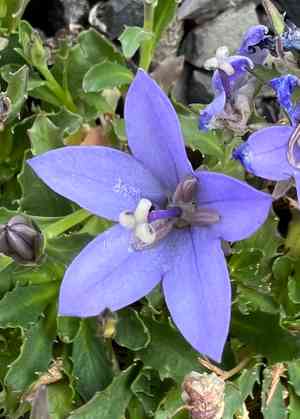
Olympic bellflower (Campanula piperi)
Also known as: Piper's Bellflower
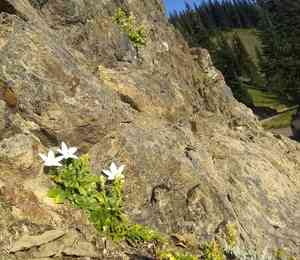
The Olympic bellflower (Campanula piperi) is distinguished by its elegant, nodding, violet-blue flowers that dangle from thin, upright stems. Native to the alpine regions of the Olympic Mountains in Washington State, it flourishes in rocky crevices and steep cliffs. The plant's foliage forms a compact rosette at the base, featuring heart-shaped, slightly toothed leaves. Its ability to thrive in well-drained, thin soils and withstand cooler climates highlights its resilience in its challenging mountainous habitat.
In This Article
Attributes of Olympic bellflower
Lifespan
Perennial
Plant Type
Herb
Plant Height
2.5 cm to 10 cm
Spread
N/A
Leaf Color
Green
Flower Size
1.5 to 2.5 cm
Flower Color
Lavender to blue
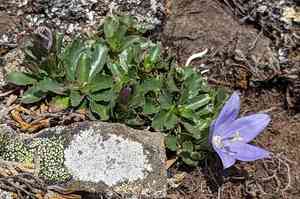
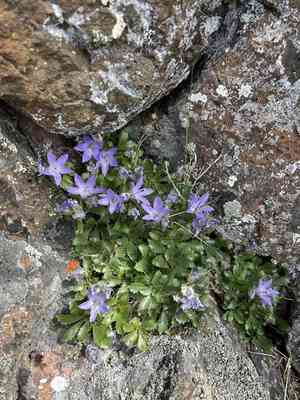
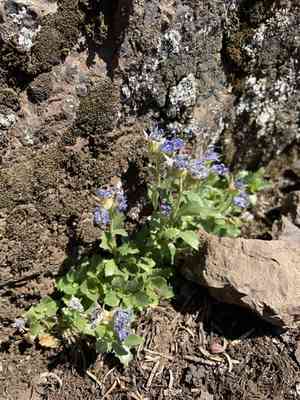
Images of Olympic bellflower
Quickly Identify Olympic bellflower
1
To identify Campanula piperi, look for its distinctive bell-shaped, lavender to blue flowers, typically clustered together. The leaves are basal, rosette-forming, and slightly hairy. The plant is low-growing, often found in rocky crevices.
Scientific Classification of Olympic bellflower
Phylum
Vascular plants
Class
Dicotyledons
Order
Asterales
Family
Bellflower
Genus
Bellflowers
Species
Olympic bellflower
Planting and Growing of Olympic bellflower
Care Difficulty
Moderate
Watering Schedule
Every 2 days
Sunlight Requirements
Partial sun
Sunshine Duration
6-10 hours
Ideal Temperature
60-75℉
Soil Type
Potting Mix, Peat Mix
Soil pH
6.5-7.5
Fertilizer Type
Balanced
Pruning Season
Spring, Summer
Pruning Area
Branches, Leaves
Pruning Frequency
2 times a year
Repotting Season
Spring
Pot Type
Plastic, Ceramic
 How to Water Olympic bellflower?
The Campanula piperi requires moderate watering. Pour approximately 100 ml of water per session. Ensure the soil is evenly moist, but not waterlogged. The idea is to allow the soil to dry slightly between waterings, ensuring a gentle but deep soak.
What are the symptoms of an underwatered Olympic bellflower?
›
What should I do if my Olympic bellflower is not getting enough water?
›
What are the symptoms of an overwatered Olympic bellflower?
›
How to save an overwatered Olympic bellflower?
›
 What Are the Sunlight Requirements for Olympic bellflower?
Campanula piperi thrives under partial sun conditions. Adequate light encourages photosynthesis, enhancing blooming and maintaining the plant's vibrant foliage.
What type of sunlight does Campanula piperi thrive in?
›
What kind of environment should be provided for optimal growth?
›
How can you ensure Campanula piperi receives its ideal light?
›
 What Is the Ideal Temperature Range for Olympic bellflower?
Campanula piperi thrives best in temperatures ranging between 60°F and 75°F. These temperatures provide optimal conditions for photosynthesis and nutrient uptake, ensuring healthy plant growth and blooming.
 What Soil is Best for Olympic bellflower?
Campanula piperi thrives in well-drained soils which prevent water from pooling around its roots. This drainage ensures the roots can breathe, reducing the risk of root rot and promoting healthy growth. Rich, organic soil provides the essential nutrients Campanula piperi requires for vibrant flower production. This type of soil sustains vigorous growth and enhances the plant's natural beauty. This plant prefers soil that retains moderate moisture without becoming waterlogged. Consistent soil moisture supports steady nutrient uptake and aids in maintaining the plant's lush foliage.
 How to Fertilize Olympic bellflower?
For Campanula piperi, ensure you use a balanced fertilizer diluted to half the recommended strength. During active growth, apply 1 tablespoon of liquid fertilizer per gallon of water. This helps in providing essential nutrients without overwhelming the plant.
 How to Prune Olympic bellflower?
First, look for any stems that appear brown or withered. These can usually be found towards the base of the plant. Removing them early helps the plant divert energy to healthy growth. After the flowering period, deadhead spent flowers to stimulate another flowering cycle. Cut just above the first set of healthy leaves or a budding node to maximize regrowth potential. Trim back any overgrown sections to maintain a compact shape. This helps enhance air circulation through the plant, reducing the risk of fungal diseases like powdery mildew.
More About Pruning Techniques→
 How to Propagate Olympic bellflower plant?
1
Collect seeds from mature Campanula piperi plants once the seed pods are dry. Ensure seeds are clean and dry before storing them in a cool, dark place until ready for planting.
2
Take cuttings from healthy parent plants during early spring. Use a sharp, sterilized knife to cut 4-6 inch segments, and remove the lower leaves to prevent rotting.
3
Divide mature clusters of Campanula piperi by carefully digging them up in early spring. Use a sharp tool to gently separate roots, ensuring each division has adequate foliage.
 How to Repot Olympic bellflower plant?
1
Repot Campanula piperi when you notice roots emerging from the drainage holes or its growth has noticeably slowed. This indicates that it's root-bound and needs a larger pot to thrive.
2
Select a pot that's one size larger than the current one, ensuring it has adequate drainage holes. A ceramic or clay pot is preferable as it allows better breathability, preventing water stagnation and root rot.
3
Choose a well-draining potting mix, ideally one composed of peat, perlite, and pine bark. This mix ensures aeration and prevents waterlogged conditions, which are critical for healthy root development.
Learn More About Olympic bellflower Diseases
Anthracnose
Bacterial Leaf Spot
Bacterial Soft Rot
Bacterial Wilt
Crown Gall
Cyst Nematode
Damping-off
Downy Mildew
Drought Stress
Fusarium Wilt
Gray Mold
Leaf Spot
Mosaic
Nutrient Deficiency
Nutrient Toxicity
Powdery Mildew
Root Rot
Root-knot Nematode
Rusts
Sooty Mold
Spider Mites
Temperature Stress
Thrips Damage
White Mold



