How to Prune Campanula petiolata?
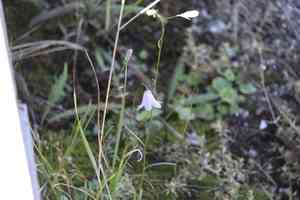
Campanula petiolata is recognized for its impressive campanulate blossoms and vigorous development. The most effective trimming should occur in late winter or early spring to foster abundant flowering and control the plant's dimensions. Consistent removal of faded flowers prolongs blooming periods and sustains vitality. Cutting back after the initial wave of flowers can stimulate a subsequent bloom, which is essential for the plant's enduring attractiveness and well-being.
What Are the Benefits of Pruning Campanula Petiolata?
What Are the Benefits of Pruning Campanula Petiolata?
Trimming campanula petiolata promotes robust development and maintains its desired form. Regular cutting helps revitalize the plant, ensuring a compact shape and potentially enhancing its floral display by eliminating old or overgrown sections.
What Is the Best Time for Pruning Campanula Petiolata?
What Is the Best Time for Pruning Campanula Petiolata?
Pruning campanula petiolata in late winter or early spring is advantageous as it aligns with the end of its dormant phase before new growth commences. This timing allows cultivators to shape the plant and remove any damaged or diseased parts without disrupting its peak growth cycle. By pruning prior to the emergence of new spring growth, the plant can direct its energy towards producing healthy new shoots and flowers, boosting its overall vigor and blooming capacity.
What Tools Do I Need to Prune Campanula Petiolata?
Hand Pruners
Perfect for making precise cuts on campanula petiolata's stems, these instruments enable accurate shaping and removal of dead or overgrown branches.
Garden Scissors
Suitable for trimming and shaping campanula petiolata's foliage, garden scissors ensure minimal harm to delicate stems and leaves, fostering healthier growth.
Pruning Shears
Ideal for managing densely packed stems of campanula petiolata, allowing for quick and clean cuts that improve air circulation and light penetration within the plant.
How to Prune Campanula Petiolata
Identify
Locate diseased or withered leaves on campanula petiolata. Look for any signs of discoloration, spots, or dehydration indicating poor health.
Sterilize
Sanitize pruning tools using a bleach solution or rubbing alcohol to prevent the spread of disease between plants during pruning.
Cut
Carefully cut diseased or withered leaves at the stem's base, using sharp and clean scissors or secateurs. Avoid tearing, which can harm campanula petiolata.
Dispose
Properly discard removed leaves; do not leave them near campanula petiolata or compost them, as they could reintroduce disease into the soil if infected.
Clean
After pruning, tidy the area around campanula petiolata to ensure no plant materials or debris remain that could harbor pests or diseases.
Common Pruning Mistakes with Campanula Petiolata
Over-pruning
Many gardeners tend to remove excessive foliage, which can stress campanula petiolata and hinder its ability to thrive. Removing more than a third of the plant at once can impede its growth and flowering potential.
Improper timing
Campanula petiolata benefits from pruning to remove spent blooms and encourage new growth, but pruning at the wrong time can reduce its floral display.
Incorrect cutting technique
Using dull or dirty pruning shears can damage campanula petiolata's stems, causing frayed cuts that may lead to disease or pest issues.
Common Pruning Tips for Campanula Petiolata
Use clean, sharp tools
Ensure that the tools used for pruning campanula petiolata are sharp and clean to make precise cuts that heal quickly, minimizing disease risk.
Prune spent flowers
Regularly deadheading, or removing faded flowers, encourages campanula petiolata to produce more blooms and extends its flowering period.
Shape the plant cautiously
When shaping campanula petiolata, lightly prune the plant to maintain its natural form. Avoid aggressive pruning as it may take longer for the plant to recover and bloom.



