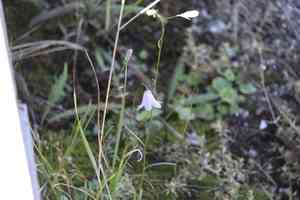
Campanula petiolata (Campanula petiolata)
Also known as: None
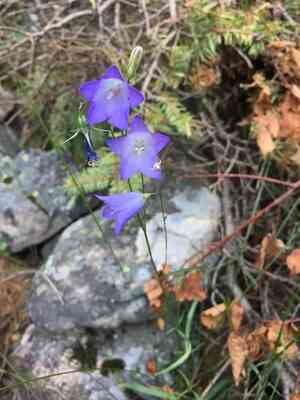
Campanula petiolata, known for its graceful, bell-shaped flowers, is a standout in the Campanula family. It flourishes in temperate climates and features long petioles that lift its blooms above its verdant leaves. The flowers, which come in shades from rich blue to soft lilac, are pollinator magnets, enhancing local biodiversity. This hardy perennial adapts well to various soil types and thrives in partial sunlight. It's an excellent choice for adding a touch of natural beauty to gardens.
In This Article
Attributes of Campanula petiolata
Lifespan
Biennial
Plant Type
Herb
Plant Height
0.3 meters
Spread
Not particularly noted
Leaf Color
Green
Flower Size
1 - 2 cm
Flower Color
Blue, Purple
Images of Campanula petiolata
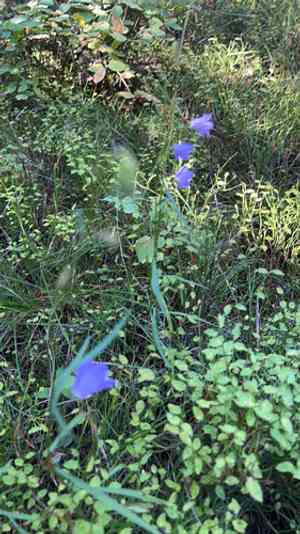
Quickly Identify Campanula petiolata
1
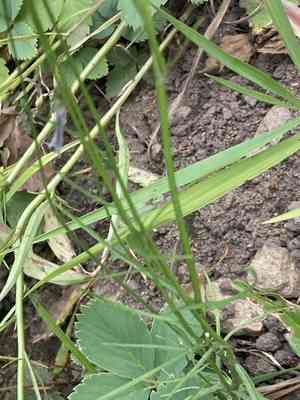
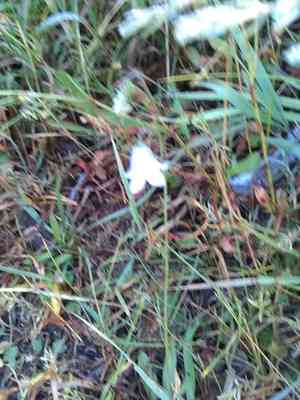
Look for bell-shaped flowers that are blue or purple, and note the petiolata (stalked) nature of the leaves. The plant usually has a basal rosette of leaves and a single, upright flowering stem.
Scientific Classification of Campanula petiolata
Phylum
Vascular plants
Class
Dicotyledons
Order
Asterales
Family
Bellflower
Genus
Bellflowers
Species
Campanula petiolata
Planting and Growing of Campanula petiolata
Care Difficulty
Easy
Watering Schedule
Every 2 days
Sunlight Requirements
Partial sun
Sunshine Duration
4-8 hours
Ideal Temperature
60-70℉
Soil Type
Potting Mix, Peat Mix
Soil pH
6-7.5
Fertilizer Type
Balanced
Pruning Season
Spring, Summer
Pruning Area
Branches, Leaves
Pruning Frequency
2 times a year
Repotting Season
Spring
Pot Type
Plastic, Ceramic
 How to Water Campanula petiolata?
For Campanula petiolata, each watering session should entail approximately 250 milliliters of water. It's important to ensure that the soil is consistently moist, but never waterlogged, following the principle of allowing the top inch of soil to dry out between waterings.
What are the symptoms of an underwatered Campanula petiolata?
›
What should I do if my Campanula petiolata is not getting enough water?
›
What are the symptoms of an overwatered Campanula petiolata?
›
How to save an overwatered Campanula petiolata?
›
 What Are the Sunlight Requirements for Campanula petiolata?
Partial sun exposure ensures Campanula petiolata develops well-rounded, lush foliage and abundant blooms, maintaining its overall health and aesthetic appeal.
How much light does it need?
›
What are the optimal lighting solutions?
›
What benefits does the ideal lighting provide?
›
 What Is the Ideal Temperature Range for Campanula petiolata?
The ideal temperature range for Campanula petiolata is between 60°F and 70°F. This range ensures optimal growth and flowering, providing the plant with the perfect conditions to thrive. Maintaining this temperature helps in balancing moisture and nutrient uptake, which is crucial for the plant's health.
 What Soil is Best for Campanula petiolata?
Campanula petiolata thrives in well-drained soil which prevents waterlogging, thus reducing the risk of root rot. Ensuring good drainage allows oxygen to reach the roots, promoting healthy growth and vibrant flowering. This plant prefers soil with moderate fertility. Too much rich soil can lead to leafy growth at the expense of flowers, while too poor soil may not provide sufficient nutrients for optimal health. Balanced soil fertility supports both foliage and bloom development. With a pH preference between 6.0 and 7.5, Campanula petiolata is adaptable but ideally thrives in neutral to slightly alkaline conditions. Such pH levels ensure proper nutrient availability, enhancing plant vitality and bloom color intensity.
 How to Fertilize Campanula petiolata?
When fertilizing Campanula petiolata, apply a balanced liquid fertilizer diluted to half strength in order to provide enough nutrients without overwhelming the plant. For solid fertilizers, scatter a thin layer of granular slow-release fertilizer evenly around the base of the plant, approximately 10 grams per square meter. It's crucial to not exceed the recommended amount as it might lead to fertilizer burn.
 How to Prune Campanula petiolata?
Identify and remove overcrowded stems to improve air circulation. This helps the plant focus its energy on healthier growth and enhances its overall shape and appearance. Carefully cut away any dead or damaged leaves and stems. These parts can drain the plant's resources, and removing them allows the plant to nurture new, healthy leaves. Trim back new growth by pinching the tips off new shoots. This encourages a bushier habit rather than letting the plant become leggy and untidy.
More About Pruning Techniques→
 How to Propagate Campanula petiolata plant?
1
Begin by sowing seeds into a mix of seed starter soil. Lightly cover them and maintain consistent moisture by misting.
2
Select healthy stems for cuttings, ideally 4-6 inches long. Remove the lower foliage and dip the cut end in rooting hormone before planting.
3
Divide mature plants into several clumps, ensuring each has roots and top shoot growth. Replant immediately into prepared soil.
 How to Repot Campanula petiolata plant?
1
Repot your Campanula petiolata when you observe roots growing out of the drainage holes or if the plant appears stunted despite proper care. These signs indicate that the plant has outgrown its current pot and needs more space to thrive.
2
Select a pot that is slightly larger than the current one, with good drainage holes. A pot that is too large can lead to water retention issues, while a pot that's too small will not allow the roots to grow properly. Terracotta pots are a great choice as they are porous and allow excess moisture to evaporate.
3
Opt for a well-draining potting mix, preferably one designed for perennials. This type of soil will provide the necessary nutrients and prevent root rot by allowing water to flow freely through the substrate, promoting healthy root growth.
Learn More About Campanula petiolata Diseases
Anthracnose
Bacterial Leaf Spot
Bacterial Soft Rot
Bacterial Wilt
Black Spot
Chemical Injury
Crown Gall
Cyst Nematode
Damping-off
Downy Mildew
Drought Stress
Fusarium Wilt
Gray Mold
Leaf Curl
Leaf Spot
Mosaic
Nutrient Deficiency
Nutrient Toxicity
Powdery Mildew
Root Rot
Root-knot Nematode
Rusts
Sooty Mold
Spider Mites
Temperature Stress
Thrips Damage
White Mold



