How to Prune Hillside false bindweed?
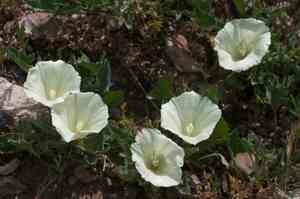
Convolvulus sabatius, characterized by its dense leaves and trailing habit, thrives with trimming in the initial part of spring or the latter portion of winter. Cut back any deceased or excessively long stems to preserve its form and stimulate vigorous new development. Consistent trimming stops it from spreading aggressively and fosters a greater profusion of flowers. Concentrate on eliminating faded blossoms and thinning out crowded sections to enhance air movement and light exposure. Employing sanitized, sharp implements guarantees accurate cuts and minimizes the chance of illness.
What Are the Benefits of Pruning Hillside False Bindweed?
What Are the Benefits of Pruning Hillside False Bindweed?
Trimming hillside false bindweed aids in vigorous development and maintains its form. Regular trimming manages its size, improves overall appearance, and fosters healthy growth, ensuring it doesn't become invasive or overgrown.
What Is the Best Time for Pruning Hillside False Bindweed?
What Is the Best Time for Pruning Hillside False Bindweed?
Trimming hillside false bindweed in early spring or late winter ensures the plant's energy is directed toward new growth as temperatures rise. This timing minimizes damage to new buds, as the plant remains mostly dormant during colder months. Additionally, pruning before the active growing season helps maintain the plant's health and structure, allowing for optimal flowering and fruiting during the growth period.
What Tools Do I Need to Prune Hillside False Bindweed?
Hand Pruners
Perfect for precise cuts on smaller, delicate stems. Hillside false bindweed lacks particularly thick stems, making these ideal for selective trimming.
Loppers
Useful for cutting thicker, older stems that might be hard to reach with hand pruners. They provide the necessary leverage for tougher sections of hillside false bindweed.
Pruning Saw
Essential for removing any woody or dead branches larger than what hand pruners or loppers can handle. Hillside false bindweed may develop some woody stems requiring a finer, more controlled cut.
Gloves
Protect hands from potential irritation caused by handling hillside false bindweed and other nearby vegetation during the trimming process.
How to Prune Hillside False Bindweed
Inspection
Carefully examine hillside false bindweed for any indications of diseased or withered foliage. This helps identify which parts require attention.
Tools Preparation
Ensure your pruning implements, such as shears or scissors, are clean and sanitized to prevent pathogen spread.
Diseased Trimming
Remove any diseased leaves by cutting a few centimeters below the affected area to guarantee complete removal of the ailment.
Withered Trimming
Cut away withered leaves at their base or the nearest healthy stem junction to encourage new growth and preserve the plant's aesthetics.
Disposal Safety
Properly discard the trimmed diseased and withered leaves away from the garden to prevent any potential disease transmission.
Common Pruning Mistakes with Hillside False Bindweed
Over-pruning
Removing too much of the plant at once can cause stress and diminish its blooming potential.
Incorrect Cutting Technique
Making improper cuts, such as cutting too close to a bud or leaving stubs, can invite disease and hinder growth.
Neglecting to Clean Tools
Using dirty or dull pruning tools can spread diseases and make clean cuts difficult, leading to plant damage.
Ignoring Plant Health
Pruning an unhealthy or already stressed plant can worsen issues and cause further decline.
Pruning at the Wrong Time
Although timing is excluded, itâs still worth noting that improper understanding of plant cycles can lead to inadvertent mistiming.
Common Pruning Tips for Hillside False Bindweed
Use Clean, Sharp Tools
Always use clean, sharp pruning tools to make precise cuts and reduce the risk of disease transmission.
Cut at an Angle
Make cuts at a 45-degree angle to allow water to run off and minimize the risk of rot.
Target Dead or Diseased Wood
Remove any dead, diseased, or damaged parts of the plant to prevent the spread of disease and encourage healthy growth.
Prune Conservatively
Remove no more than one-third of the plantâs growth at a time to prevent stress and shock to the plant.
Promote Air Circulation
Thin out dense areas to improve air circulation, which can reduce the likelihood of fungal diseases and promote more vigorous growth.



