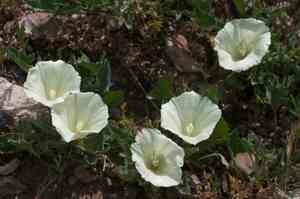
Hillside false bindweed (Calystegia subacaulis)
Also known as: California False Bindweed, Hillside False Bindweed
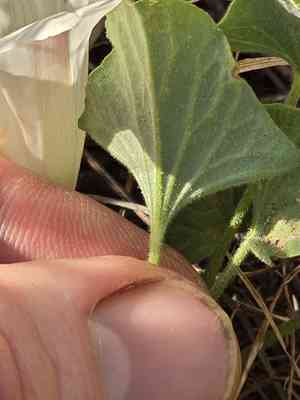
Calystegia subacaulis is a perennial herb that features a woody caudex or rhizome and short stems, typically not exceeding 20 centimeters in length. The plant's leaves are around 3 to 4 centimeters long and are characterized by a triangular or arrowhead shape, often with small lateral lobes. The leaves may also have a hairy texture.
In This Article
Attributes of Hillside false bindweed
Lifespan
Perennial
Plant Type
Vine, Herb
Plant Height
10-30 cm
Spread
Typically spreads over a wide area without forming a defined crown.
Leaf Color
Green
Flower Size
3-5 cm
Flower Color
White
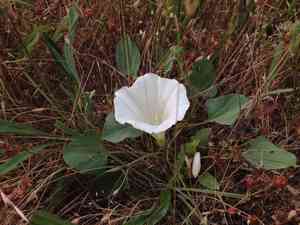
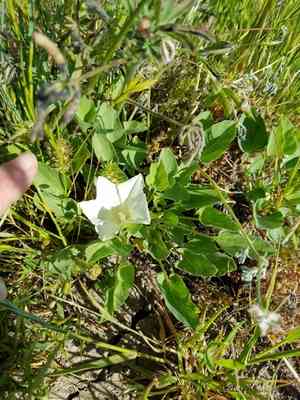
Images of Hillside false bindweed
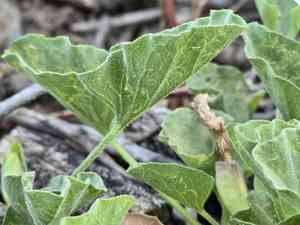
Quickly Identify Hillside false bindweed
1
To identify Calystegia subacaulis, look for its distinctive white, funnel-shaped flowers and heart-shaped leaves. The plant typically has a climbing or sprawling habit and often grows in open, grassy areas and hillsides.
Scientific Classification of Hillside false bindweed
Phylum
Vascular plants
Class
Dicotyledons
Order
Solanales
Family
Morning-glory
Genus
Bindweeds
Species
Hillside false bindweed
Planting and Growing of Hillside false bindweed
Care Difficulty
Moderate
Watering Schedule
Every 4 days
Sunlight Requirements
Partial sun
Sunshine Duration
10-12 hours
Ideal Temperature
60-68℉
Soil Type
Potting Mix, Peat Mix
Soil pH
6.5-7.5
Fertilizer Type
Balanced
Pruning Season
Spring, Summer
Pruning Area
Branches, Leaves
Pruning Frequency
2 times a year
Repotting Season
Spring
Pot Type
Terracotta, Plastic
 How to Water Hillside false bindweed?
For Calystegia subacaulis, it's crucial to water just enough to moisten the soil without making it soggy. Aim for about 200 ml per session, ensuring the soil isn’t overly saturated but adequately moist.
What are the symptoms of an underwatered Hillside false bindweed?
›
What should I do if my Hillside false bindweed is not getting enough water?
›
What are the symptoms of an overwatered Hillside false bindweed?
›
How to save an overwatered Hillside false bindweed?
›
 What Are the Sunlight Requirements for Hillside false bindweed?
Calystegia subacaulis thrives best under partial to full sun. Ideal lighting maximizes growth, encourages flowering, and ensures robust health by supporting effective photosynthesis.
What is the best lighting condition for Calystegia subacaulis?
›
How can I achieve the ideal lighting for this plant?
›
What benefits does ideal lighting bring to Calystegia subacaulis?
›
 What Is the Ideal Temperature Range for Hillside false bindweed?
For optimal growth of Calystegia subacaulis, the temperature should be maintained between 60°F and 68°F. This range provides the right balance for active growth while minimizing stress on the plant, enabling it to develop healthy foliage and flowers.
 What Soil is Best for Hillside false bindweed?
Calystegia subacaulis thrives in soils that offer excellent drainage. This prevents waterlogging and root rot, ensuring the plant's roots can breathe and absorb nutrients efficiently. The plant prefers nutrient-rich soil that can supply essential minerals and organic matter for its growth. Fertile soil supports its lush foliage and vibrant flowering. The soil should retain some moisture without becoming soggy. This balance helps the plant sustain itself between waterings, promoting sustained growth and resilience.
 How to Fertilize Hillside false bindweed?
Calystegia subacaulis should be fertilized with a balanced fertilizer at a rate of 1/4 the recommended dosage. This promotes healthy growth without overloading the soil with nutrients that can lead to root damage. Always dilute liquid fertilizers according to the instructions, taking care to avoid direct contact with the stem and leaves.
 How to Prune Hillside false bindweed?
Begin by identifying the oldest and woodiest stems, which may appear less productive. Trim these back to help stimulate new growth. Work systematically through the plant, trimming side branches to maintain an even shape. Calystegia subacaulis produces flowers on new growth. Therefore, after blooming, cut back flowering stems to encourage the development of new buds and more profuse flowering in subsequent cycles.
More About Pruning Techniques→
 How to Propagate Hillside false bindweed plant?
1
Choose a well-draining soil mix, ideally one that is rich in organic matter. The mix should be slightly moist but not overly wet to prevent seed rot.
2
Evenly distribute seeds on the surface of the prepared seed tray, covering them lightly with soil. Ensure they are not buried too deep to allow proper germination.
3
Select a healthy stem from the parent plant and cut a piece about 4-6 inches long using sterilized pruning shears. Remove leaves from the lower half to prevent decay.
 How to Repot Hillside false bindweed plant?
1
Monitor for roots emerging from drainage holes or stunted growth. These are signs that Calystegia subacaulis needs repotting. Ideally, repot during the growing season in spring or summer for optimal recovery.
2
Select a pot that is 1-2 inches larger in diameter than the current one. It's important to ensure the new pot has adequate drainage holes, preventing root rot and promoting better water management, crucial for plant health.
3
Choose a well-draining sandy loam soil. This mimics its natural habitat and prevents waterlogging, thereby reducing the risk of root diseases while providing sufficient nutrients for healthy growth.
Learn More About Hillside false bindweed Diseases
Bacterial Leaf Spot
Bacterial Wilt
Crown Gall
Cyst Nematode
Damping-off
Downy Mildew
Drought Stress
Fusarium Wilt
Gray Mold
Leaf Curl
Leaf Spot
Mosaic
Nutrient Deficiency
Nutrient Toxicity
Powdery Mildew
Root Rot
Root-knot Nematode
Rusts
Sooty Mold
Spider Mites
Temperature Stress
Thrips Damage
White Mold
Chemical Injury



