How to Prune Macoun's false bindweed?
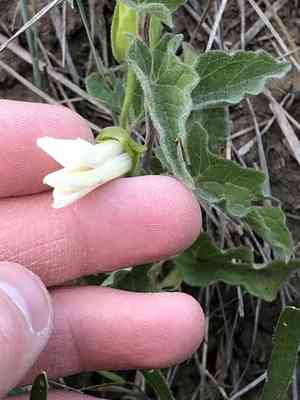
Macoun's false bindweed, a robust climbing plant, benefits significantly from consistent trimming to control its expansion and boost bloom production. The most suitable times for pruning are either in early spring or during the summer following its flowering period. Shorten overly extended stems and eliminate any lifeless or frail shoots to preserve the plant's well-being and strength. This practice not only curbs excessive development but also improves air movement among the leaves, thereby lowering the chances of disease. To achieve the best outcome, employ sharp, sanitized cutting tools for accurate incisions.
What Are the Benefits of Pruning Macoun's False Bindweed?
What Are the Benefits of Pruning Macoun's False Bindweed?
Trimming macoun's false bindweed promotes robust development and maintains its form. Regular trimming helps control its spread, preventing excessive growth and fostering a healthier, more attractive plant.
What Is the Best Time for Pruning Macoun's False Bindweed?
What Is the Best Time for Pruning Macoun's False Bindweed?
Trimming macoun's false bindweed during Spring and Summer aligns with its active growth cycle, facilitating quicker recovery and robust regrowth. Spring trimming helps to stimulate new growth and ensures plant vitality after the dormant winter period. Summer pruning is optimal for shaping the plant and controlling any excessive growth, which is crucial for maintaining the plant's health and ensuring good air circulation. Additionally, pruning in these seasons prevents harming next year's flowering, as macoun's false bindweed forms its blooms on new growth.
What Tools Do I Need to Prune Macoun's False Bindweed?
Bypass Pruners
Ideal for making precise cuts on macoun's false bindweed's thinner stems, ensuring clean cuts that promote healthy regrowth without damaging the plant.
Long-handled Loppers
Suitable for reaching deeper into macoun's false bindweed's denser growth areas and for cutting through thicker stems that are beyond the capability of bypass pruners.
Pruning Saw
Necessary for managing older, woodier stems of macoun's false bindweed that loppers cannot handle, allowing for controlled cuts on thicker growth.
How to Prune Macoun's False Bindweed
Inspect
Examine macoun's false bindweed thoroughly to identify patches of diseased leaves, withered leaves, and diseased stems that need to be pruned to maintain plant health.
Sanitize
Disinfect pruning tools using a solution of one part bleach to nine parts water, preventing the spread of pathogens during the pruning process.
Trim diseased leaves
Carefully cut off any diseased leaves at their base, ensuring you remove the entire affected area to prevent further infection.
Remove withered leaves
Prune away all withered or dead leaves using sharp, clean scissors or pruning shears, encouraging new growth and enhancing the plant's overall appearance.
Trim diseased stems
Cut back any diseased stems to healthy tissue, well below the visible damage, disposing of pruned material responsibly to avoid disease spread.
Common Pruning Mistakes with Macoun's False Bindweed
Over-pruning
Removing too much growth at once can stress macoun's false bindweed, potentially leading to weak growth or reduced flowering. Aim to prune no more than one-third of the plant at a time.
Ignoring plant structure
Cutting macoun's false bindweed without understanding its natural growth pattern can lead to improper pruning cuts. This mistake can cause uneven growth and vulnerability to diseases.
Pruning all stems to the same length
This can result in a loss of the plantâs natural shape and reduce its overall aesthetic appeal. Different stems should be cut back to varying lengths to maintain a natural appearance.
Using dull tools
Dull pruning tools can damage the stems of macoun's false bindweed, leading to jagged cuts that are more susceptible to disease and pest infestation.
Common Pruning Tips for Macoun's False Bindweed
Selective pruning
Carefully select which stems to cut, focusing on those that are dead, damaged, or diseased. This helps encourage healthy growth and preserves the natural form of macoun's false bindweed.
Promote air circulation
Thin out dense areas of macoun's false bindweed to improve light penetration and air circulation. This reduces the risk of fungal diseases and promotes healthier, more robust growth.
Cut at an angle
Make pruning cuts at a 45-degree angle just above leaf nodes or branching points. This technique helps direct new growth outward and prevents water from collecting at the cut sites, which can lead to rot.
Clean equipment
Always use clean, sharp pruning shears or scissors to make clean cuts. Clean your tools before and after pruning macoun's false bindweed to prevent the spread of disease.



