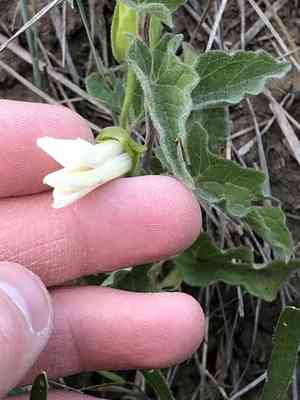
Macoun's false bindweed (Calystegia macounii)
Also known as: Macoun's Bindweed
Macoun's false bindweed is a perennial vine known for its striking, trumpet-shaped white flowers with subtle yellow centers, typically blooming during warmer periods. This plant features heart-shaped leaves that provide a lush contrast to its flowers. It flourishes in open, sunny environments such as grasslands, meadows, and coastal dunes. The plant's robust growth enables it to climb over nearby vegetation, making the most of available sunlight.
In This Article
Attributes of Macoun's false bindweed
Lifespan
Perennial
Plant Type
Herb, Vine
Plant Height
1.8 m to 3.5 m
Spread
N/A (Climbing Vine)
Leaf Color
Green
Flower Size
4 to 6 centimeters
Flower Color
White to pale pink
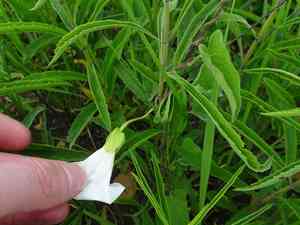
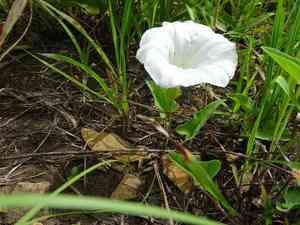
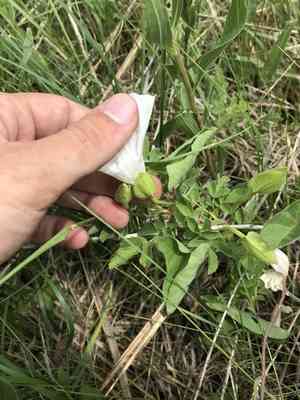
Images of Macoun's false bindweed
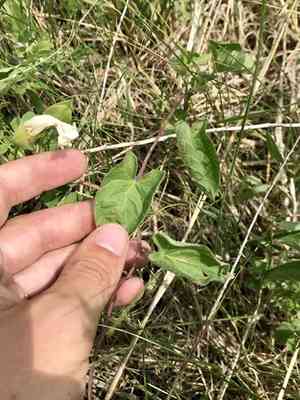
Quickly Identify Macoun's false bindweed
1
Identify Calystegia macounii by its heart-shaped leaves, twining stems, and large white to pink funnel-shaped flowers. The flowers typically bloom from late spring to early summer.
Scientific Classification of Macoun's false bindweed
Phylum
Vascular plants
Class
Dicotyledons
Order
Solanales
Family
Morning-glory
Genus
Bindweeds
Species
Macoun's false bindweed
Planting and Growing of Macoun's false bindweed
Care Difficulty
Easy
Watering Schedule
Every 2 days
Sunlight Requirements
Full sun
Sunshine Duration
6-10 hours
Ideal Temperature
65-75℉
Soil Type
Potting Mix, Peat Mix
Soil pH
6.5-7.5
Fertilizer Type
Balanced
Pruning Season
Spring, Summer
Pruning Area
Branches, Leaves
Pruning Frequency
2 times a year
Repotting Season
Spring
Pot Type
Plastic, Ceramic
 How to Water Macoun's false bindweed?
Calystegia macounii requires a moderate amount of water, around 250 ml per watering session. It's important to ensure the soil is moist but not waterlogged, allowing the top inch of soil to dry out between watering to prevent root rot.
What are the symptoms of an underwatered Macoun's false bindweed?
›
What should I do if my Macoun's false bindweed is not getting enough water?
›
What are the symptoms of an overwatered Macoun's false bindweed?
›
How to save an overwatered Macoun's false bindweed?
›
 What Are the Sunlight Requirements for Macoun's false bindweed?
Calystegia macounii ideally needs partial to full sun, allowing it to access energy needed for strong flowering. Consistent light within this range promotes robust growth and vibrant blossoms.
What is the ideal lighting condition for Calystegia macounii?
›
How can one achieve the ideal lighting conditions?
›
What are the benefits of ideal lighting conditions for Calystegia macounii?
›
 What Is the Ideal Temperature Range for Macoun's false bindweed?
For optimal growth, Calystegia macounii thrives in temperatures ranging from 65°F to 75°F. This range ensures the plant's metabolic processes function at their best, supporting healthy growth and blossom production. Temperatures maintained within this range provide a stable environment that minimizes stress on the plant.
 What Soil is Best for Macoun's false bindweed?
Calystegia macounii thrives in well-drained soil which prevents root rot and ensures good air circulation. This soil condition helps the plant to absorb nutrients effectively, promoting healthy growth and vibrant blooms. The plant prefers soil with moderate fertility to support its growth. Excessively fertile soil can lead to excessive foliage growth with fewer blooms. Balanced nutrient levels facilitate robust plant development and abundant flowering. While Calystegia macounii needs well-drained soil, it also benefits from soil that retains adequate moisture to keep its roots hydrated. Ensuring soil moisture balance helps to sustain the plant during dry periods.
 How to Fertilize Macoun's false bindweed?
Calystegia macounii prefers balanced fertilizers that provide equal amounts of nitrogen, phosphorus, and potassium. When applying liquid fertilizer, use a concentration of about 1/4 strength of a general-purpose liquid plant food. For slow-release fertilizers, use approximately 2-3 tablespoons around the root area depending on plant size.
 How to Prune Macoun's false bindweed?
Begin by identifying and removing any dead or dying stems, as these can harbor disease and hinder the plant's vitality. Use clean, sharp shears to ensure smooth cuts and avoid crushing the stems. Trim back excessive growth to maintain the shape and size you desire. This will also help in promoting air circulation around the plant, which reduces the risk of fungal diseases. Always cut above a leaf node to encourage new growth.
More About Pruning Techniques→
 How to Propagate Macoun's false bindweed plant?
1
Start by collecting mature seeds from the plant. Clean the seeds and allow them to dry. If starting indoors, sow seeds in a seed tray with a seed-starting mix, covering them lightly, and ensuring even moisture and warmth.
2
Select healthy stems about 10-15 cm long from the parent plant. Use pruning shears to make a diagonal cut just below a leaf node. Remove leaves from the lower half and dip the cut end in rooting hormone for better root development.
3
For division propagation, dig up the mature plant in early spring. Gently separate the root clumps into smaller sections, ensuring each has adequate roots. Replant the sections in prepared soil, water thoroughly, and monitor closely for establishment.
 How to Repot Macoun's false bindweed plant?
1
Calystegia macounii shows repotting signals when its growth becomes stagnant or roots start emerging from the drainage holes. Another sign is when the soil seems compacted and retains water for too long. Spring and early summer are ideal repotting times, giving plants ample opportunity to recover and establish in their new pot.
2
Select a pot that is just one or two sizes larger than the current one with ample drainage holes. A slightly larger pot will prevent too much soil and retain the perfect moisture level. This prevents root rot and encourages better growth by providing fresh nutrients and adequate space for root expansion.
3
Choose a well-draining potting mix, such as a mixture of peat and perlite, ensuring it holds moisture without staying waterlogged. This soil mix supports healthy root development by allowing air circulation while providing enough nutrients and proper drainage needed for vibrant plant growth.
Learn More About Macoun's false bindweed Diseases
Anthracnose
Bacterial Leaf Spot
Bacterial Wilt
Chemical Injury
Crown Gall
Cyst Nematode
Damping-off
Downy Mildew
Drought Stress
Fusarium Wilt
Gray Mold
Leaf Spot
Mosaic
Nutrient Deficiency
Nutrient Toxicity
Powdery Mildew
Root Rot
Root-knot Nematode
Rusts
Sooty Mold
Spider Mites
Temperature Stress
Thrips Damage
White Mold



