How to Prune Pointedtip mariposa lily?
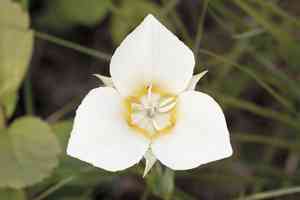
The pointedtip mariposa lily, recognized by its unique pointed petals, needs very little trimming. The best periods for pruning are in the early spring and late winter. Eliminate any withered or compromised leaves to foster robust development and improved blooming. Refrain from extensive pruning since the pointedtip mariposa lily favors its inherent growth pattern. Periodically inspect for insects or ailments. Pruning boosts air circulation and light access, thereby improving the plant's general health.
Advantages of Trimming Pointedtip Mariposa Lily
Advantages of Trimming Pointedtip Mariposa Lily
Pruning pointedtip mariposa lily encourages robust development, maintains its form, and boosts blooming. Eliminating dead or damaged sections enhances plant vitality and helps deter pests and diseases, ensuring pointedtip mariposa lily thrives.
Optimal Period for Pruning Pointedtip Mariposa Lily
Optimal Period for Pruning Pointedtip Mariposa Lily
Trimming pointedtip mariposa lily in early spring or late winter is ideal as it coincides with the plant's dormant phase, minimizing stress and infection risk. During dormancy, pointedtip mariposa lily is not actively growing, allowing for more efficient healing of pruning wounds. This timing also ensures pruning is done before new growth starts, supporting healthy development and abundant flowering in the growing season.
Necessary Tools for Pruning Pointedtip Mariposa Lily
Bypass pruners
Bypass pruners are crucial for making clean cuts on pointedtip mariposa lily without crushing stems, which is vital for maintaining plant health.
Flower snips
Flower snips are perfect for delicate cutting tasks and precise trimming, suitable for the fragile nature of pointedtip mariposa lily.
Hand trowel
A hand trowel can be utilized to carefully dig around the base of pointedtip mariposa lily for any root maintenance required during pruning procedures.
How to Prune Pointedtip Mariposa Lily
Identify
Start by closely inspecting pointedtip mariposa lily for any indications of diseased or withered foliage. Look for discoloration, spots, or other signs of illness.
Sanitize
Before making any cuts, disinfect your pruning tools using a solution of one part bleach to ten parts water to prevent disease transmission.
Remove diseased
Carefully cut off any diseased leaves at their base or point of infection using sharp, clean shears. Dispose of these leaves away from healthy foliage to avoid contamination.
Remove withered
Trim away withered leaves by cutting them back to the healthy part of the plant or at the base if they are completely dead. Ensure a clean cut to aid in recovery.
Dispose
Gather all trimmed leaves and discard them properly. Do not compost diseased material to prevent the spread of pathogens.
Common Pruning Errors with Pointedtip Mariposa Lily
Over-pruning
Removing too much foliage can stress pointedtip mariposa lily, reducing its ability to photosynthesize effectively and potentially hindering flower production.
Incorrect cuts
Making cuts too close to the main stem or using dull tools can harm the plant and create entry points for diseases.
Pruning at the wrong time
Although timing specifics are excluded here, pruning at inappropriate times can damage new growth or impede the plant's natural cycle.
Ignoring diseased or dead parts
Failing to remove dead or diseased parts can spread pathogens and negatively impact the overall health of pointedtip mariposa lily.
General Pruning Advice for Pointedtip Mariposa Lily
Sanitize tools
Always use clean, sharp pruning tools to make precise cuts and prevent the spread of disease.
Cut at an angle
Make all cuts at a 45-degree angle to promote quick healing and water runoff, reducing the risk of rot or infection.
Focus on dead or damaged parts
Prioritize removing any dead, diseased, or damaged parts first to maintain plant health and reduce the chances of infection.
Minimal pruning for health
Pointedtip mariposa lily generally requires minimal pruning. Focus on light, strategic cuts to shape the plant naturally rather than extensive pruning.



