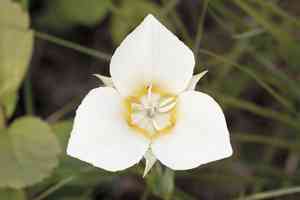
Pointedtip mariposa lily (Calochortus apiculatus)
Also known as: None known
Consider the Pointedtip Mariposa Lily for your garden in a colder climate. This unique lily features distinct pointed tips that extend between its three large white petals, setting it apart from other lilies. It's well-suited for colder winters, making it an excellent choice for gardens in chillier regions.
In This Article
Attributes of Pointedtip mariposa lily
Lifespan
Perennial
Plant Type
Herb
Plant Height
30-50 cm
Spread
Not applicable
Leaf Color
Green
Flower Size
3-5 cm
Flower Color
Purple to lavender
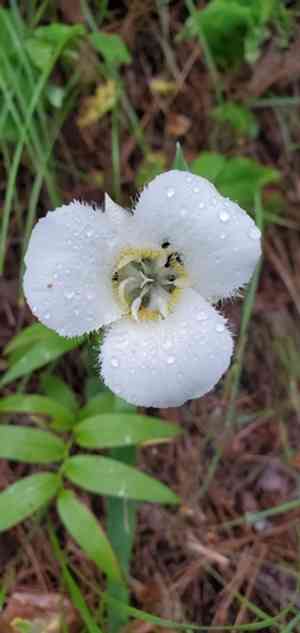
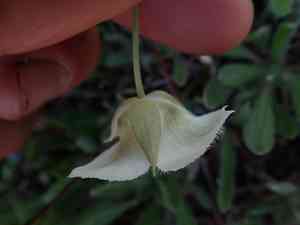
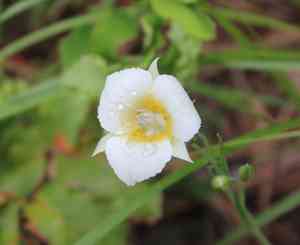
Images of Pointedtip mariposa lily
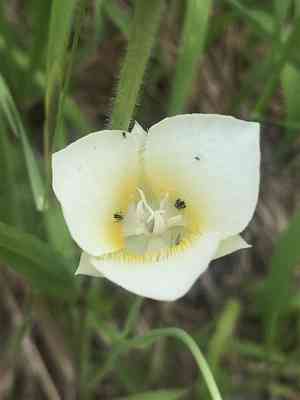
Quickly Identify Pointedtip mariposa lily
1
Identifying Calochortus apiculatus can be done by observing its characteristic pointed petals and the unique purple to lavender coloring of its flowers. The plant typically has grass-like leaves and slender stems bearing one or more flowers.
Scientific Classification of Pointedtip mariposa lily
Phylum
Vascular plants
Class
Monocotyledons
Order
Liliales
Family
Lily
Genus
Mariposas
Species
Pointedtip mariposa lily
Planting and Growing of Pointedtip mariposa lily
Care Difficulty
Moderate
Watering Schedule
Every 2 days
Sunlight Requirements
Partial sun
Sunshine Duration
4-8 hours
Ideal Temperature
60-75℉
Soil Type
Potting Mix, Peat Mix
Soil pH
6.5-7.5
Fertilizer Type
Balanced
Pruning Season
Spring, Summer
Pruning Area
Branches, Leaves
Pruning Frequency
2 times a year
Repotting Season
Spring
Pot Type
Plastic, Ceramic
 How to Water Pointedtip mariposa lily?
Calochortus apiculatus prefers a delicate balance when it comes to watering. Each session should involve around 250 ml of water, ensuring the soil is moist but not waterlogged. Aim for moisture that penetrates the top few inches, allowing the roots to access necessary hydration without drowning.
What are the symptoms of an underwatered Pointedtip mariposa lily?
›
What should I do if my Pointedtip mariposa lily is not getting enough water?
›
What are the symptoms of an overwatered Pointedtip mariposa lily?
›
How to save an overwatered Pointedtip mariposa lily?
›
 What Are the Sunlight Requirements for Pointedtip mariposa lily?
Partial sun to full sun is ideal, as this allows the plant to photosynthesize efficiently, promoting robust growth and a vibrant display of flowers.
What is the best location for Calochortus apiculatus?
›
How should I adjust lighting in different seasons?
›
What equipment can help manage light for Calochortus apiculatus?
›
 What Is the Ideal Temperature Range for Pointedtip mariposa lily?
The ideal temperature range for Calochortus apiculatus is between 60°F and 75°F. This range provides the optimal conditions for its metabolic processes and photosynthesis. The plant thrives when daytime temperatures mimic natural environments and must be balanced to prevent stress, ensuring healthy growth and vibrant blooms.
 What Soil is Best for Pointedtip mariposa lily?
Calochortus apiculatus thrives in well-draining soil that prevents waterlogging, which can be detrimental to its bulbous roots. This type of soil ensures that excess water drains away easily, minimizing the risk of root rot and promoting healthy growth. This plant benefits from soil with moderate fertility, which provides adequate nutrients without overwhelming the plant. Well-balanced soil offers the essential nutrients required for the plant's vibrant flowering and robust development. Aerated soil facilitates better air exchange around the roots of Calochortus apiculatus, allowing them to access oxygen efficiently. This is crucial for root respiration, supporting vigorous growth and enhancing the plant's overall health.
 How to Fertilize Pointedtip mariposa lily?
The fertilization amount for Calochortus apiculatus should be moderate, avoiding both under-fertilization and over-fertilization. Liquid fertilizers should be diluted to half-strength and applied steadily to avoid accumulation, while slow-release fertilizers should follow package instructions carefully, typically about a teaspoon per plant per application.
 How to Prune Pointedtip mariposa lily?
Avoid pruning during extreme temperatures, such as the peak of summer or winter, as these conditions can stress the plant. Aim for early mornings or late afternoons to minimize water loss. Keep an eye out for any signs of disease or pests on pruned parts. If you notice any, take steps immediately to treat the plant and prevent further spread. After pruning, collect and properly dispose of all clippings to prevent pests or diseases from spreading. Compost them if possible, provided you are certain they are free of disease.
More About Pruning Techniques→
 How to Propagate Pointedtip mariposa lily plant?
1
Begin by filling the seed tray with the sterilized potting mix. Evenly distribute the seeds over the surface and cover lightly with soil. Water the tray gently to avoid disturbing the seeds.
2
Place the seed tray in a warm location with indirect sunlight. Maintain consistent moisture in the soil, but ensure it is not waterlogged. Seeds should germinate within a few weeks.
3
Once the seedlings have developed several true leaves, they can be carefully transplanted into individual pots or directly into the garden. Ensure the new location has well-draining soil and receives adequate sunlight.
 How to Repot Pointedtip mariposa lily plant?
1
Watch for signs like roots growing out of drainage holes, soil compacting, or stunted growth. These are clear signals that your Calochortus apiculatus needs a new pot and refreshed soil for optimal growth and health.
2
Choose a pot slightly larger than the current one with adequate drainage holes. This prevents waterlogging and provides just enough space for roots to grow without overwhelming the plant, promoting a balanced environment.
3
Opt for a well-draining sandy loam that mimics its natural habitat. This soil provides excellent drainage and root aeration, crucial for preventing root rot and supporting healthy bulb development.
Learn More About Pointedtip mariposa lily Diseases
Anthracnose
Bacterial Leaf Spot
Bacterial Soft Rot
Bacterial Wilt
Black Spot
Chemical Injury
Crown Gall
Cyst Nematode
Damping-off
Downy Mildew
Drought Stress
Fusarium Wilt
Gray Mold
Leaf Spot
Mosaic
Nutrient Deficiency
Nutrient Toxicity
Powdery Mildew
Root Rot
Root-knot Nematode
Rusts
Sooty Mold
Spider Mites
Temperature Stress
Thrips Damage
White Mold



