How to Prune Clustered poppymallow?
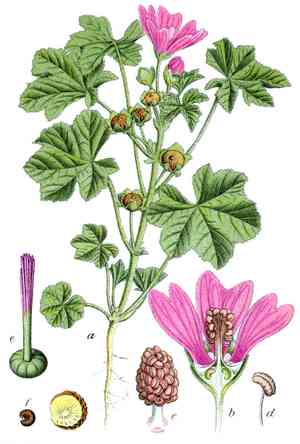
Distinguished by its vivid blossoms and deeply incised foliage, clustered poppymallow thrives with trimming performed in late winter or early spring. Eliminate any deceased or compromised stalks to foster vigorous development. Gentle shearing promotes a denser form and boosts floral production. Deadhead faded blooms to prolong the flowering period. Always sanitize implements to avert pathogen transmission. Strategic cutting encourages a sturdy framework, improves air movement, and deters etiolation, all crucial for the comprehensive well-being of clustered poppymallow.
What Are the Benefits of Pruning Clustered Poppymallow?
What Are the Benefits of Pruning Clustered Poppymallow?
Pruning clustered poppymallow encourages robust development and maintains its form. Eliminating dead or diseased branches promotes vitality, manages size, boosts blooming, and enhances appearance. Regular trimming helps clustered poppymallow better resist pests and illnesses.
What Is the Best Time for Pruning Clustered Poppymallow?
What Is the Best Time for Pruning Clustered Poppymallow?
Trimming clustered poppymallow in early spring or late winter is optimal as it allows the plant to recover and stimulate new growth before the active season. During these periods, clustered poppymallow is typically dormant, minimizing stress and reducing the likelihood of disease or pest infestations. Furthermore, cutting back the plant before new shoots emerge ensures energy is directed towards developing healthier, more vigorous foliage and flowers during peak growth.
What Tools Do I Need to Prune Clustered Poppymallow?
Bypass Pruners
Ideal for making clean cuts on the soft, herbaceous stems of clustered poppymallow. Bypass pruners prevent stem crushing, ensuring healthy regrowth.
Precision Pruning Shears
Useful for detailed tasks like deadheading spent blooms and removing damaged or diseased plant parts. These shears enable accurate cuts without harming adjacent stems.
Long-handled Pruners
Though not always essential, these can help access the plant's center without damaging surrounding growth. This is especially useful if clustered poppymallow has become very dense.
Pruning Knife
Perfect for more delicate cuts and precise shaping of clustered poppymallow. A sharp pruning knife is handy for cutting smaller stems and trimming wilted sections.
Gloves
While not a pruning tool itself, sturdy gloves are crucial for protecting hands from accidental cuts and plant sap when pruning clustered poppymallow.
How to Prune Clustered Poppymallow
Assess
Carefully examine clustered poppymallow for any indications of diseased or withered foliage. Identify leaves that are discolored, drooping, or showing signs of damage.
Sanitize
Disinfect your pruning tools using a solution of one part bleach to nine parts water. This helps prevent the spread of pathogens.
Trim diseased
Remove diseased leaves by snipping them at the point where the leaf meets the stem. Ensure all affected leaves are removed to stop disease propagation.
Trim withered
Similarly, remove withered leaves by cutting them at the base, making sure to leave healthy tissue intact. This promotes better air circulation and allows more light to reach remaining foliage.
Dispose
Safely discard all trimmed leaves in a sealed bag to prevent any potential disease from spreading to other plants or garden areas.
Common Pruning Mistakes with Clustered Poppymallow
Improper technique
Using dull or unsuitable tools can harm stems and introduce pathogens. It's vital to use clean, sharp pruning shears.
Over-pruning
Removing too much foliage can impede clustered poppymallow's ability to photosynthesize, leading to weakened growth and fewer flowers.
Under-pruning
Failing to prune sufficiently can result in a dense, untidy plant that does not bloom optimally.
Incorrect cutting angles
Cutting stems at the wrong angle can hinder proper healing and increase susceptibility to disease. Cuts should be made at a 45-degree angle.
Common Pruning Tips for Clustered Poppymallow
Tool selection
Use sharp, clean pruning shears for precise cuts and to prevent disease spread. Sterilize tools before use.
Target dead or damaged stems
Focus on removing any dead, damaged, or diseased stems to encourage healthy growth and prevent infection.
Control density
Prune to manage the plant's density, allowing light and air to penetrate inner parts. This helps reduce the risk of fungal diseases and promotes better flowering.
Cut above leaf nodes
When pruning stems, always cut just above a leaf node where new growth will emerge. This encourages bushier growth and more blooms.
Gradual pruning
Gradually trim back the plant rather than making drastic cuts. This approach is less stressful for clustered poppymallow and helps maintain its natural shape.



