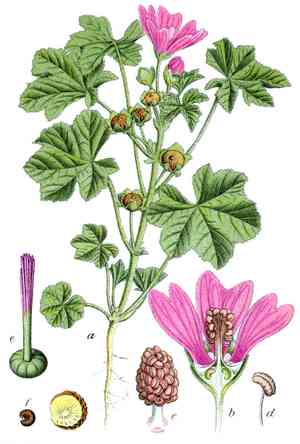
Clustered poppymallow (Callirhoe triangulata)
Also known as: Pop Poppy, Winecup
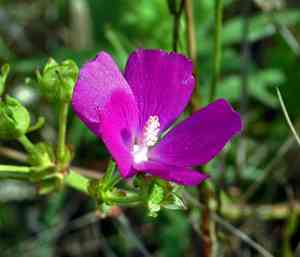
The wildflower you're referring to is the Clustered Poppy Mallow (Callirhoe triangulata). This North American perennial is recognized for its striking purple-pink, cup-shaped flowers with white centers that bloom atop slender, upright stems. It typically grows low to the ground and is well-suited to open prairie environments. Its triangular leaves help it capture sunlight efficiently, and its deep taproot allows it to withstand drought conditions in its native habitats.
In This Article
Attributes of Clustered poppymallow
Lifespan
Perennial
Plant Type
Herb
Plant Height
30 cm to 91 cm
Spread
N/A
Leaf Color
Green
Flower Size
4-5 cm (1.5-2 inches)
Flower Color
Magenta
Images of Clustered poppymallow


Quickly Identify Clustered poppymallow
1
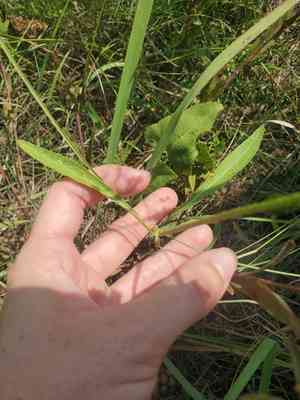
Identify Callirhoe triangulata by its distinctive cup-shaped magenta flowers, which typically bloom from late spring to early summer. Its leaves are deeply lobed and almost resemble those of a maple tree.
Scientific Classification of Clustered poppymallow
Phylum
Vascular plants
Class
Dicotyledons
Order
Malvales
Family
Mallow
Genus
Poppy mallows
Species
Clustered poppymallow
Planting and Growing of Clustered poppymallow
Care Difficulty
Easy
Watering Schedule
Every 3 days
Sunlight Requirements
Full sun
Sunshine Duration
10-12 hours
Ideal Temperature
65-75℉
Soil Type
Potting Mix, Peat Mix
Soil pH
6.5-7.5
Fertilizer Type
Balanced
Pruning Season
Spring, Summer
Pruning Area
Branches, Leaves
Pruning Frequency
2 times a year
Repotting Season
Spring
Pot Type
Plastic, Ceramic
 How to Water Clustered poppymallow?
Callirhoe triangulata prefers its soil to be moist but not waterlogged. It's crucial to allow the top 2-3 inches of soil to dry out between waterings. Water deeply so that the moisture reaches the full root zone.
What are the symptoms of an underwatered Clustered poppymallow?
›
What should I do if my Clustered poppymallow is not getting enough water?
›
What are the symptoms of an overwatered Clustered poppymallow?
›
How to save an overwatered Clustered poppymallow?
›
 What Are the Sunlight Requirements for Clustered poppymallow?
Callirhoe triangulata flourishes in an environment with full to partial sun. The ideal light exposure promotes healthy foliage, robust flowering, and compact, vigorous growth that aids in the plant's overall resilience and aesthetic appeal.
Best Time for Sun Exposure
›
Afternoon Protection
›
Controlled Environment
›
 What Is the Ideal Temperature Range for Clustered poppymallow?
The ideal temperature range for Callirhoe triangulata is between 65 and 75 degrees Fahrenheit. This range is optimal for the plant's growth and flowering. Maintaining this temperature ensures that the plant receives the warmth it needs without the risk of overheating or cold stress, leading to healthier foliage and vibrant blooms.
 What Soil is Best for Clustered poppymallow?
Callirhoe triangulata prefers well-drained soil to prevent waterlogging, which can cause root rot. Good drainage ensures that excess water can flow away quickly, providing the roots with adequate oxygen and preventing fungal diseases. This plant thrives in moderately fertile soils, providing sufficient nutrients without overwhelming the roots. Balanced soil fertility keeps the plant healthy and supports its vibrant growth and flowering for an extended period. Incorporating gravel or coarse sand into the soil can enhance its structure. This addition improves aeration and drainage, creating a more hospitable environment for the roots to spread and absorb nutrients efficiently.
 How to Fertilize Clustered poppymallow?
For optimal growth of Callirhoe triangulata, use a balanced liquid fertilizer diluted to half strength. Apply approximately 1 teaspoon per gallon of water during active growth periods. Too much fertilizer can lead to root burn, so always err on the cautious side.
 How to Prune Clustered poppymallow?
Begin by identifying and cutting away any dead, damaged, or diseased wood. Use sharp pruning shears to make clean cuts above a leaf node or at the plant's base. Removing these parts helps the plant redirect its resources towards healthy growth and prevents the spread of potential diseases. To maintain an aesthetically pleasing shape, trim back overgrown sections of the plant. Aim for a balanced structure by cutting back any overly long branches to a suitable size or to where new buds are emerging. This approach helps maintain the plant's natural form while encouraging denser growth. Encourage more abundant blooming by trimming spent flowers, known as deadheading. This keeps the plant looking fresh and extends the flowering period. Make cuts just above the next set of leaves or buds to promote additional blooms in the growing season, enhancing the plant's overall display.
More About Pruning Techniques→
 How to Propagate Clustered poppymallow plant?
1
Seeds should be harvested from mature fruits at the end of the growing season. Once collected, they need to be cleaned and dried properly. It's important to select seeds from healthy plants to ensure successful germination.
2
Select a healthy shoot of about 4-6 inches long. Use pruning shears to make a clean cut just below a node. Remove the lower leaves, leaving the top leaves intact. This helps reduce water loss while the roots develop.
3
During early summer, divide mature plants by carefully separating the roots by hand or with the help of a clean spade. Each division should have its own root system and a few shoots. Replant them immediately to prevent dehydration.
 How to Repot Clustered poppymallow plant?
1
Callirhoe triangulata typically requires repotting when the plant shows signs of being root-bound, such as roots emerging from drainage holes or stunted growth. It's best done in spring or summer when the plant is actively growing, ensuring it establishes well in the new soil.
2
Select a pot that is approximately two inches larger in diameter than the current one. This offers sufficient room for root expansion, preventing the plant from becoming root-bound too quickly. Ensure the pot has drainage holes to avoid waterlogging, which can harm the plant.
3
Opt for a well-draining, sandy loam mix that's rich in organic matter. This ensures adequate aeration and prevents water retention, reducing the risk of root rot. The soil mix should mimic the plant's natural habitat, offering the right nutrients for robust growth.
Learn More About Clustered poppymallow Diseases
Anthracnose
Bacterial Leaf Spot
Bacterial Soft Rot
Bacterial Wilt
Black Spot
Chemical Injury
Crown Gall
Cyst Nematode
Damping-off
Downy Mildew
Drought Stress
Fusarium Wilt
Gray Mold
Leaf Spot
Mosaic
Nutrient Deficiency
Nutrient Toxicity
Powdery Mildew
Root Rot
Root-knot Nematode
Rusts
Sooty Mold
Spider Mites
Temperature Stress
Thrips Damage
White Mold



