How to Prune Carolina water-shield?
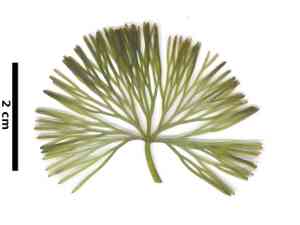
A favored aquatic flora, carolina water-shield is distinguished by its submerged, fan-shaped leaves and intricate underwater framework. Trim frequently to preserve compactness and foster more robust development. The most effective trimming should take place in spring and summer while the plant is vigorously expanding. Cut stalks directly above a leaf joint with sterile, sharp shears. This trimming practice guarantees adequate light exposure and diminishes the likelihood of algal problems. Such upkeep enhances more vigorous growth and visual attractiveness in aquatic garden arrangements.
What Are the Benefits of Pruning Carolina Water-shield?
What Are the Benefits of Pruning Carolina Water-shield?
Trimming carolina water-shield can encourage vigorous development and help maintain its desired form, ensuring balanced expansion in garden ponds and aquariums.
What Is the Best Time for Pruning Carolina Water-shield?
What Is the Best Time for Pruning Carolina Water-shield?
Spring marks the beginning of the active growth period for carolina water-shield, as water temperatures start to rise, initiating new development. Pruning during this time allows for managing the plant's shape and density before its accelerated growth phase, improving light penetration and reducing overcrowding. Early Summer remains a suitable time for trimming since carolina water-shield will be actively growing, and pruning can help maintain equilibrium in the aquatic environment, ensuring sufficient space and resources for other water flora and fauna. Pruning in these seasons promotes robust growth, deters pest infestations, and prevents decay, which could compromise water quality.
What Tools Do I Need to Prune Carolina Water-shield?
Long-handled Aquascaping Scissors
Given that carolina water-shield is an aquatic plant, long-handled aquascaping scissors enable gardeners to reach into the water and precisely trim stems without excessively disturbing the plant or getting wet.
Curved Aquascaping Scissors
Carolina water-shield may require detailed shaping to maintain an attractive aquarium setting. Curved scissors offer enhanced control for precise, selective trimming of its delicate, fan-like foliage.
Aquatic Plant Rake
This tool assists in gathering carolina water-shield cuttings from the water surface, keeping the aquarium clean and preventing potential decomposition that could harm water quality.
How to Prune Carolina Water-shield
Clean tools
Before beginning the pruning process, sanitize your pruning tools using a solution of 1 part bleach to 9 parts water to prevent the spread of disease to carolina water-shield.
Remove diseased leaves
Gently remove any diseased leaves from carolina water-shield by pinching them off at the stem's base with your fingers or a pair of fine scissors. Dispose of the material away from your water garden to prevent contamination.
Trim withered leaves
Identify and trim withered leaves at the stem, close to the base of carolina water-shield using sharp scissors or shears. This encourages new growth and maintains water quality by removing decaying organic matter.
Cut diseased stems
Carefully cut away diseased stems of carolina water-shield as close to the base as possible without harming healthy plant parts. This prevents disease spread and promotes healthier growth.
Disposal
Properly dispose of all removed plant parts by sealing them in a plastic bag and discarding them in the trash to prevent the spread of any potential pathogens present in the diseased plant material.
Common Pruning Mistakes with Carolina Water-shield
Over pruning
Removing too much foliage from carolina water-shield can stress the plant, leading to poor growth and reduced vitality. This aquatic plant benefits from being pruned for shape and health but should not be cut back excessively.
Uneven cutting
Making uneven or jagged cuts can damage the stems of carolina water-shield and lead to decay or infection. Using dull blades or improper cutting tools can exacerbate this problem.
Discard trimmed sections improperly
Failing to properly dispose of the trimmed sections of carolina water-shield can cause fragments to take root elsewhere, potentially leading to invasive growth if carolina water-shield is pruned near natural water bodies.
Underestimating regeneration
Underestimating the speed of carolina water-shield's regrowth can lead to infrequent pruning, which may result in overgrown and dense foliage that obstructs light and inhibits the growth of other aquatic plants.
Pruning healthy growth
Cutting away healthy growth regions unnecessarily can limit the aesthetic appeal and photosynthetic efficiency of carolina water-shield, which is particularly undesirable for an aquatic plant prized for its underwater foliage.
Common Pruning Tips for Carolina Water-shield
Sharp instruments
Use sharp and precise instruments, like aquatic plant scissors or shears, to make clean cuts on carolina water-shield. This helps ensure quick healing and reduces the chance of infections.
Float removed foliage
After pruning carolina water-shield, allow the removed foliage to float to the surface and then remove it manually from the water to prevent any unintended propagation.
Correct portion removal
Target to remove only the necessary amount of foliage from carolina water-shield during pruning, typically not surpassing one third of the total plant mass to maintain plant vitality and ensure rapid recovery.
Prune for shape
Focus pruning efforts on maintaining the desired shape of carolina water-shield and ensuring that enough light can reach all parts of the plant. This will promote balanced growth and health.
Dispose cuttings properly
Ensure that all cuttings of carolina water-shield are disposed of responsibly, away from water bodies, to prevent unintentional spreading which can be harmful to natural ecosystems.



