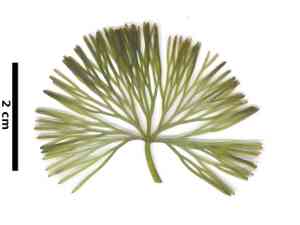
Carolina water-shield (Cabomba caroliniana)
Also known as: Fanwort, Green cabomba, Washington grass
Cabomba caroliniana, commonly known as Carolina fanwort, is also referred to as Washington grass, green cabomba, fish grass, and fanwort. This aquatic plant is native to the Americas and is often found in slow-moving or still water bodies. It thrives in environments like stagnant ponds, gentle streams, and calm lakes, rather than fast-flowing waters.
In This Article
Attributes of Carolina water-shield
Lifespan
Perennial
Plant Type
Herb
Plant Height
30 cm to 1.8 m
Spread
30 cm to 90 cm
Leaf Color
Green, reddish-brown
Flower Size
1.3 cm
Flower Color
White Yellow Purple
Images of Carolina water-shield
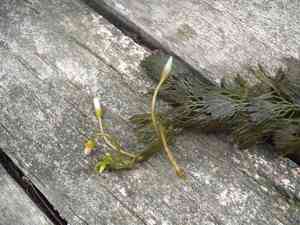
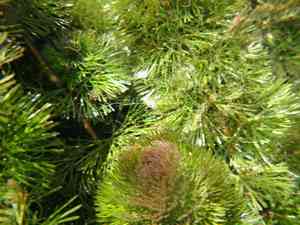
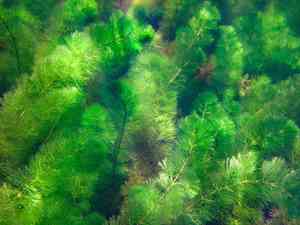
Quickly Identify Carolina water-shield
1
Fanwort can be identified by its finely divided, fan-shaped submerged leaves and small floating leaves. The plant typically produces small white or yellow flowers above the water surface.
Scientific Classification of Carolina water-shield
Phylum
Vascular plants
Class
Dicotyledons
Order
Nymphaeales
Family
Water-shields
Genus
Fanwort
Species
Carolina water-shield
Planting and Growing of Carolina water-shield
Care Difficulty
Hard
Watering Schedule
Every 8 days
Sunlight Requirements
Partial sun
Sunshine Duration
6-10 hours
Ideal Temperature
72-82℉
Soil Type
Potting Mix, Peat Mix
Soil pH
6.5-7.5
Fertilizer Type
Balanced
Pruning Season
Spring, Summer
Pruning Area
Branches, Leaves
Pruning Frequency
2 times a year
Repotting Season
Spring
Pot Type
Plastic, Ceramic
 How to Water Carolina water-shield?
When watering Cabomba caroliniana, aim to thoroughly wet the substrate but avoid creating stagnant water. Strive for a balance where the water is enough to maintain a moist environment without excessive pooling, as this mimics its natural aquatic surroundings.
What are the symptoms of an underwatered Carolina water-shield?
›
What should I do if my Carolina water-shield is not getting enough water?
›
What are the symptoms of an overwatered Carolina water-shield?
›
How to save an overwatered Carolina water-shield?
›
 What Are the Sunlight Requirements for Carolina water-shield?
Partial to full sun conditions are ideal for Cabomba caroliniana, promoting vigorous growth and healthy foliage. Ideal lighting ensures optimal photosynthesis, essential for the plant's overall health and vitality.
More About Sunlight Requirements Techniques→
What is the ideal lighting for Cabomba caroliniana?
›
How to achieve ideal lighting conditions?
›
Benefits of ideal lighting for Cabomba caroliniana
›
 What Is the Ideal Temperature Range for Carolina water-shield?
The ideal temperature range for Cabomba caroliniana is between 72°F to 82°F. This range ensures that the plant thrives optimally, as it mimics the warm freshwater habitats typical of its native environment. Maintaining this temperature range will promote healthy growth and minimize stress on the plant.
 What Soil is Best for Carolina water-shield?
Cabomba caroliniana thrives in soil that retains moisture. Its natural aquatic environment requires substrates that can hold water without becoming waterlogged. Ensuring consistent moisture supports the plant's vascular system, allowing for appropriate nutrient transport and vigorous growth. Nutrient-rich substrates are essential for the healthy growth of Cabomba caroliniana. They supply essential minerals such as nitrogen, phosphorus, and potassium, fostering robust foliage and blooms. Rich substrates promote the vibrant green color characteristic of this species. Adequate aeration and drainage are crucial to avoid root rot and oxygen deficiency. Loam and sandy soils provide this balance, preventing water stagnation while facilitating necessary gas exchange at the roots. This supports healthy root development and plant vigor.
 How to Fertilize Carolina water-shield?
For Cabomba caroliniana, the amount of fertilizer required is relatively modest. This aquatic plant thrives in nutrient-rich environments but can be sensitive to excessive nutrients. Therefore, about 1-2 ppm of nitrogen monthly is adequate for sustaining optimal growth. Similarly, phosphates should be maintained under 0.5 ppm to avoid algae issues.
 How to Prune Carolina water-shield?
Begin by identifying the longest and most overgrown stems that are reaching towards the surface or beyond the desired height. Prune the identified stems by cutting just above the leaf nodes. This encourages the plant to grow new shoots from the cut, promoting bushier growth. Inspect the plant for any decaying or yellowed leaves and remove them to maintain the plant's health and appearance.
More About Pruning Techniques→
 How to Propagate Carolina water-shield plant?
1
Choose healthy, vibrant stems from the parent Cabomba caroliniana plant. Ensure that the selected stems are disease-free and have multiple nodes for optimal root emergence.
2
Cut the chosen stems at an angle to maximize the surface area for rooting. Make sure each cutting is around 4-6 inches long and has at least two nodes submerged.
3
Place the cuttings in a container filled with water or an aquatic substrate. The cut end should be submerged to encourage root growth, providing a stable environment for formation.
 How to Repot Carolina water-shield plant?
1
Cabomba caroliniana should be repotted when it seems to outgrow its current container or if water conditions deteriorate. Look for signs like crowded roots, stunted growth, or water stagnation, indicating the need for a fresh pot and new soil.
2
Select a container with enough room for the plant's extensive root system and include holes for drainage. A slightly larger pot than the current one is ideal to encourage growth without overwhelming the plant, all while supporting healthy root development.
3
For Cabomba caroliniana, opt for a loose, nutrient-rich soil mix that mimics its natural aquatic environment. This kind of soil ensures good oxygen circulation around the roots, preventing rot and fostering robust growth.



