How to Prune Boxwood?
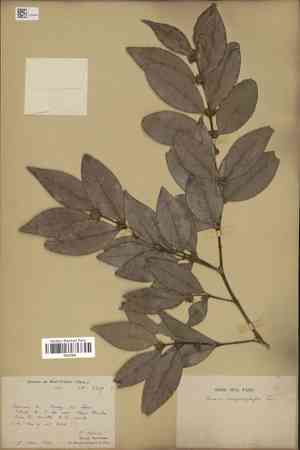
This perennial woody plant, recognized for its thick leaves and adaptability to sculpting, flourishes with proper trimming. Boxwood needs initial shaping during its formative stages to define its structure. Upkeep trimming, ideally carried out in the colder months, fosters robust development and a compact form. Shear sparingly to preserve the intended shape, concentrating on branches that are dead, ailing, or excessively long. Trimming not only enhances its look but also boosts air movement, lowering the chance of illness. Utilize sanitized, keen implements for accurate incisions.
What Are the Benefits of Pruning Boxwood?
What Are the Benefits of Pruning Boxwood?
Trimming boxwood promotes robust development and helps maintain its intended form. This crucial maintenance routine also fosters a dense leaf structure, perfect for boxwood's role in formal hedges and topiary. Regular cutting ensures boxwood stays healthy and visually appealing.
What Is the Best Time for Pruning Boxwood?
What Is the Best Time for Pruning Boxwood?
Trimming boxwood in late winter or early spring is optimal as the plant is still inactive, minimizing stress and lowering the chance of disease entering cuts. This timing also allows for effective shaping before new growth starts, encouraging a denser, more attractive foliage pattern for the upcoming season. Additionally, cutting at this time ensures no impact on potential flowering, as boxwood typically blooms on new wood. Pruning before new growth helps the plant direct energy into producing healthy new shoots, enhancing its overall vigor and look.
What Tools Do I Need to Prune Boxwood?
Hand pruners (secateurs)
These are crucial for making precise cuts on boxwood's small stems and branches. Opting for bypass pruners, which operate like scissors, ensures clean cuts that heal quickly and reduce plant stress.
Pruning shears (clippers)
Ideal for shaping boxwood and preserving its dense foliage. Select a pair with sharp blades for effortless trimming of small leaves and maintaining the desired form without harming the plant.
Hedge shears
For larger boxwood hedges requiring uniform shaping, hedge shears can create straight, even lines more efficiently. They are suitable for handling a greater volume of foliage with each cut.
Long-reach pruners
These tools can be beneficial if boxwood is shaped into tall hedges or topiaries, enabling pruning of inaccessible areas without needing a ladder.
Loppers
For mature boxwood plants with thicker branches, loppers can be used to cut branches beyond hand pruners' capacity, typically up to 1.5 inches in diameter.
Pruning saw
For occasional removal of old or diseased branches that have become too thick for loppers, a pruning saw allows for cutting without damaging the remaining branches.
How to Prune Boxwood
Sterilize tools
Disinfect pruning shears or clippers with alcohol or a bleach solution before beginning to prevent disease transmission.
Identify parts
Inspect boxwood closely to locate all dead or diseased branches, looking for discolored, brittle, or damaged wood.
Remove dead branches
Carefully snip away dead branches at their base or origin, ensuring cuts are clean and close to the trunk to promote healing.
Prune diseased branches
Eliminate diseased branches by cutting several inches into healthy wood beyond the visible damage, and dispose of them properly to avoid contaminating other plants.
Clean finish
After completing the pruning, clean all tools again to remove any potentially infectious material and properly discard the boxwood debris.
Common Pruning Mistakes with Boxwood
Over-pruning
Removing too much foliage at once can stress boxwood, leading to sparse growth and potentially increasing susceptibility to diseases and pests.
Improper cuts
Making cuts too close to the main stem or leaving too long a stub can result in unnecessary wounds and hinder the plant's natural healing process.
Using dull tools
Dull pruning shears can crush boxwood stems, leading to jagged cuts more vulnerable to infections.
Neglecting sanitization
Failing to sanitize tools before and after use can spread diseases between plants, which is detrimental to boxwood and other garden species.
Unbalanced shaping
Pruning without a plan can result in unbalanced or unsightly shapes that can negatively impact the aesthetic of boxwood plants and their overall health.
Ignoring dead growth
Not removing dead or diseased branches can impede boxwood growth and increase the risk of disease spreading.
Common Pruning Tips for Boxwood
Sharp tools
Use clean, sharp pruning shears to make clean cuts that boxwood can quickly heal from, reducing disease risk.
Healthy growth focus
Focus on thinning out areas to improve air circulation and light penetration, vital for boxwood health.
Prune for shape
Maintain boxwood's desired shape by trimming overgrown areas, but do not remove more than one-third of the foliage in a single pruning session.
Gradual rejuvenation
For older or overgrown boxwood, perform rejuvenation pruning over multiple years to avoid shocking the plant.
Selective thinning
Thin out new growth to encourage denser foliage and better shape in mature boxwood plants.
Cleanliness
Keep the work area clean and dispose of pruned material, especially if diseased, to prevent reinfection or pest infestation in boxwood.



