How to Prune Wand butterfly bush?
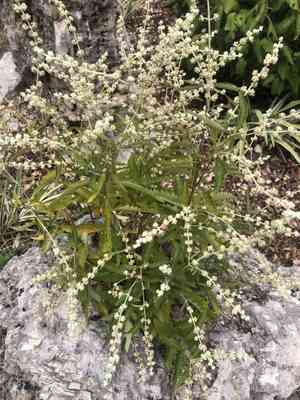
Recognized for its aromatic flower clusters and vivid blossoms, wand butterfly bush thrives with annual trimming in the initial part of spring. Reduce the length of the stalks by one-third to one-half to encourage vigorous development and prolific blooming. Eliminate any deceased or frail limbs to preserve the plant's well-being. This routine fosters a more orderly look and stops the plant from becoming sparse or excessively large. Trimming facilitates improved air movement and sunlight exposure, boosting the general vitality and visual charm of wand butterfly bush.
What Are the Benefits of Pruning Wand Butterfly Bush?
What Are the Benefits of Pruning Wand Butterfly Bush?
Trimming wand butterfly bush encourages robust development and maintains its form, ensuring a well-defined plant. It boosts blooming by eliminating old flowers, stimulates healthy new shoots, and minimizes issues with pests and diseases. Regular trimming keeps wand butterfly bush manageable and visually appealing.
What Is the Best Time for Pruning Wand Butterfly Bush?
What Is the Best Time for Pruning Wand Butterfly Bush?
Pruning wand butterfly bush in early spring is ideal as it allows the plant to recover and produce strong new growth before the blooming season. This timing aligns with wand butterfly bush's growth cycle, ensuring the plant has sufficient energy reserves to support new shoots and subsequent flowering. Additionally, early spring pruning helps remove any winter-damaged or dead wood, promoting better air circulation and reducing disease risk. By avoiding pruning during the flowering or fruiting period, gardeners ensure wand butterfly bush can maximize its display of blooms, enhancing its visual appeal and health.
What Tools Do I Need to Prune Wand Butterfly Bush?
Bypass Pruners
Perfect for clean cuts on living wood due to their scissor-like action. They assist in making precise and healthy cuts on wand butterfly bush.
Loppers
Useful for cutting thicker branches that bypass pruners cannot handle. Provide greater leverage for pruning branches typically found on mature wand butterfly bush plants.
Pruning Saw
Required for cutting any significantly large or dead branches. Ensures smooth cuts on branches exceeding 2 inches in diameter, which can sometimes occur on wand butterfly bush.
Long-reach Pruners
Helpful for reaching higher branches without using a ladder, essential for maintaining the upper parts of taller wand butterfly bush plants.
Hand Hedge Shears
Beneficial for light shaping and deadheading, allowing gardeners to maintain the aesthetics and health of wand butterfly bush.
How to Prune Wand Butterfly Bush
Inspect
Carefully examine wand butterfly bush to identify any diseased leaves, withered leaves, dead branches, and diseased branches.
Trim diseased leaves
Using sanitized pruning shears, remove all diseased leaves to prevent the spread of infection. Cut as close to the base of the leaf stem as possible.
Remove withered leaves
Cut away withered leaves to encourage healthy new growth. Ensure cuts are clean and made just above a leaf node or bud.
Cut dead branches
Prune dead branches by cutting them back to the nearest live bud or healthy tissue, ensuring clean and angled cuts to facilitate water runoff and prevent rot.
Trim diseased branches
Remove diseased branches completely by cutting them back to the base or to a point where they join a healthy branch. Dispose of all pruned material to avoid contamination.
Common Pruning Mistakes with Wand Butterfly Bush
Over-pruning
Removing too much foliage at once can stress wand butterfly bush, weakening the plant and reducing flowering potential.
Improper cuts
Using dull or incorrect tools can cause jagged cuts that take longer to heal, making wand butterfly bush more vulnerable to diseases and pests.
Timing errors
Pruning at the wrong time can disrupt wand butterfly bush's natural growth cycle, leading to poor flowering and overall health issues.
Neglecting deadheading
Failing to remove spent flowers can divert energy away from new growth and flowers, affecting the overall appearance and health of wand butterfly bush.
Common Pruning Tips for Wand Butterfly Bush
Use sharp tools
Always use sharp, clean pruning tools to make clean cuts, which heal faster and reduce the risk of infection for wand butterfly bush.
Target specific growth
Focus on removing dead, damaged, or diseased branches first to improve air circulation and light penetration within wand butterfly bush.
Thin branches
Thinning out some of the older, less productive branches can encourage new, more vigorous growth and enhance the overall structure of wand butterfly bush.
Consider height
Keep wand butterfly bush at a manageable height by selectively pruning taller branches, which can improve access to sunlight for lower parts of the plant and maintain an aesthetically pleasing shape.
Deadhead regularly
Regularly remove spent flowers to promote continuous blooming and direct the plant's energy towards new growth and buds.



