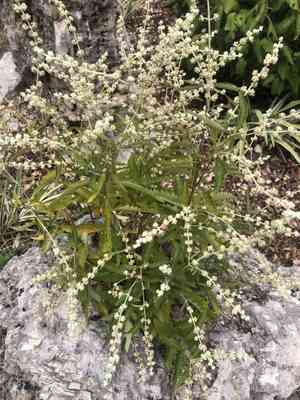
Wand butterfly bush (Buddleja racemosa)
Also known as: Clustered Buddleja
The Wand Butterfly Bush (Buddleja alternifolia) is characterized by its slender, arching branches and delicate, gray-green foliage. In spring, it produces elongated clusters of creamy-white, honey-scented flowers that attract butterflies and bees. This plant flourishes in well-drained soils and sunny spots, showcasing its resilience by thriving in diverse conditions.
In This Article
Attributes of Wand butterfly bush
Lifespan
Perennial
Plant Type
Shrub
Plant Height
1-3 meters
Spread
0.5-1.5 meters
Leaf Color
Green
Flower Size
1-2 cm per flower
Flower Color
Pink, Purple, White
Images of Wand butterfly bush
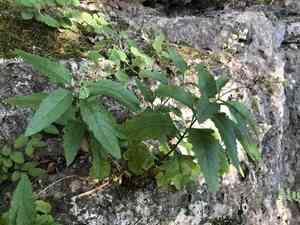
Quickly Identify Wand butterfly bush
1
Look for its distinctive racemes of small, brightly colored flowers, usually in clusters, and its lance-shaped leaves.
Scientific Classification of Wand butterfly bush
Phylum
Vascular plants
Class
Dicotyledons
Order
Lamiales
Family
Figwort
Genus
Butterfly bushes
Species
Wand butterfly bush
Planting and Growing of Wand butterfly bush
Care Difficulty
Easy
Watering Schedule
Every 4 days
Sunlight Requirements
Full sun
Sunshine Duration
6-12 hours
Ideal Temperature
65-75℉
Soil Type
Potting Mix, Peat Mix
Soil pH
6.5-7.5
Fertilizer Type
Balanced
Pruning Season
Spring, Summer
Pruning Area
Branches, Leaves
Pruning Frequency
2 times a year
Repotting Season
Spring
Pot Type
Plastic, Ceramic
 How to Water Wand butterfly bush?
When watering Buddleja racemosa, aim to thoroughly soak the soil but ensure it drains well. Use approximately 700 ml each time, allowing the topsoil to dry between waterings. It's important to avoid waterlogging, which can damage the roots.
What are the symptoms of an underwatered Wand butterfly bush?
›
What should I do if my Wand butterfly bush is not getting enough water?
›
What are the symptoms of an overwatered Wand butterfly bush?
›
How to save an overwatered Wand butterfly bush?
›
 What Are the Sunlight Requirements for Wand butterfly bush?
Buddleja racemosa performs best with partial to full sun exposure. This results in denser foliage and more prolific flower production, enhancing the plant's overall display and health.
How much sunlight does Buddleja racemosa need?
›
What are some solutions to achieve ideal lighting conditions?
›
What happens if Buddleja racemosa gets ideal lighting?
›
 What Is the Ideal Temperature Range for Wand butterfly bush?
The ideal temperature range for Buddleja racemosa is between 65°F and 75°F. This range encourages optimal growth and flowering by providing moderate warmth without causing stress to the plant. During this temperature interval, the plant's metabolic processes proceed efficiently, supporting healthy root, leaf, and flower development.
 What Soil is Best for Wand butterfly bush?
Buddleja racemosa thrives in well-draining soils that prevent water from pooling around the roots, which could cause root rot. Ensuring the soil has good drainage is vital because it promotes healthy root growth and reduces the likelihood of fungal diseases. This plant prefers soils with moderate fertility levels. Overly fertile soils can lead to excessive leaf growth at the expense of flowers. Balanced soil nutrients are key to supporting the plant's vibrant blooms and healthy growth. While Buddleja racemosa requires well-draining soils, it also benefits from soil that retains some moisture. This balance supports its growth by ensuring the plant has access to water without being waterlogged, crucial during hotter, drier periods.
 How to Fertilize Wand butterfly bush?
For Buddleja racemosa, it is essential to use a balanced fertilizer with a ratio like 10-10-10. When applying liquid fertilizer, mix it with water according to the manufacturer's instructions, typically one tablespoon per gallon. For slow-release granules, distribute approximately one pound per 100 square feet.
 How to Prune Wand butterfly bush?
The first step in pruning Buddleja racemosa is to carefully inspect your plant for any dead or diseased branches. These should be removed as they can hinder the overall health of the plant. Use sterilized pruning shears to make clean cuts near the base of the affected limb. Focus on shaping the plant by pruning overgrown stems and weak growth. Aim to create an open center to improve air circulation, which reduces the likelihood of pests and diseases. Cut back the longer branches just above a node where you want new growth to emerge. To promote vigorous growth in the next blooming season, trim the plant back after it has finished flowering. Remove one-third of the older stems to rejuvenate the plant, allowing newer growth to flourish.
More About Pruning Techniques→
 How to Propagate Wand butterfly bush plant?
1
Select healthy, non-flowering stems approximately 4-6 inches long for cuttings. This increases the likelihood of successful rooting and growth when planted.
2
Plant seeds in a well-draining, sterile medium. Cover lightly with soil and keep them warm and moist until germination occurs, ensuring they have adequate light.
3
Dip the cut end of the cutting into rooting hormone to promote root growth. Plant the cutting in a propagation tray with moist, well-draining soil.
 How to Repot Wand butterfly bush plant?
1
Buddleja racemosa shows signs of needing repotting when its roots start emerging from the drainage holes, or when it displays stunted growth despite adequate care. These are indicators that the plant's roots need more space to thrive.
2
Select a pot that's 2 inches larger in diameter than the current one, ensuring it has proper drainage. This size allows the roots to spread without leading to waterlogging, promoting healthy plant growth.
3
Opt for a well-draining potting mix, ideally one that includes perlite or sand. This soil structure prevents water retention, reducing the chances of root rot, which ensures a healthy environment for Buddleja racemosa.
Learn More About Wand butterfly bush Diseases
Anthracnose
Bacterial Leaf Spot
Bacterial Wilt
Crown Gall
Damping-off
Downy Mildew
Drought Stress
Fusarium Wilt
Gray Mold
Leaf Spot
Mosaic
Nutrient Deficiency
Nutrient Toxicity
Powdery Mildew
Root Rot
Root-knot Nematode
Rusts
Sooty Mold
Spider Mites
Temperature Stress
Thrips Damage
White Mold
Chemical Injury



