How to Prune Royal purple brunfelsia?
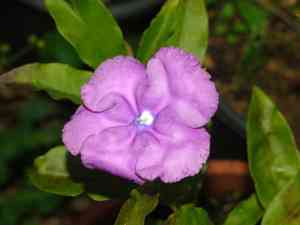
Distinguished by its vivid violet blossoms and perennial shrub structure, royal purple brunfelsia thrives with judicious trimming to preserve its form and stimulate flowering. Perform pruning after the blooming period in winter to eliminate deceased or excessively dense branches, thereby improving air movement and light exposure. Snip off spent blooms without delay to foster uninterrupted flowering. Refrain from severe pruning, as royal purple brunfelsia responds most favorably to gentle and regular upkeep, bolstering the plant's vitality and visual charm.
What Are the Benefits of Pruning Royal Purple Brunfelsia?
What Are the Benefits of Pruning Royal Purple Brunfelsia?
Trimming stimulates royal purple brunfelsia's development, fostering a strong and fuller structure. It also maintains the desired form, enhancing the plant's beauty, and ensures vigor in new shoots, improving the display of its vibrant flowers.
What Is the Best Time for Pruning Royal Purple Brunfelsia?
What Is the Best Time for Pruning Royal Purple Brunfelsia?
Trimming royal purple brunfelsia in late winter, just before spring growth begins, is optimal. This timing allows the plant to recover quickly and direct its energy into new development. Late winter pruning minimizes frost damage risk to fresh cuts and supports healthier, more robust growth in the coming season. It also helps avoid removing buds that will become the current year's flowers, as royal purple brunfelsia typically blooms on new wood formed in spring. Thus, late winter pruning maximizes the plant's flowering potential and maintains its desired shape and size.
What Tools Do I Need to Prune Royal Purple Brunfelsia?
Hand Pruners (Bypass Pruners)
Perfect for making clean cuts on royal purple brunfelsia's smaller stems and branches, bypass pruners operate like scissors, with two blades 'passing by' each other for a precise cut. They cause less harm to plant tissues.
Loppers
Suitable for cutting through thicker branches too large for hand pruners, loppers feature long handles that provide the necessary leverage to trim royal purple brunfelsia's more robust growth.
Pruning Saw
When royal purple brunfelsia has matured and developed branches too thick for hand pruners and loppers, a fine-toothed pruning saw is appropriate for cutting through this dense wood without causing undue damage to the plant.
Gardening Gloves
To shield hands from thorns or rough branches, gardening gloves are essential. They will help prevent scratches while trimming royal purple brunfelsia.
Pruning Shears (Anvil Pruners)
For deadwood or dry branches, anvil pruners can be utilized. They have one straight blade that closes onto a flat edge or 'anvil', but should be used carefully to avoid crushing living stems of royal purple brunfelsia.
How to Prune Royal Purple Brunfelsia
Clean tools
Before trimming, clean and sanitize all pruning equipment (secateurs, loppers, saws) to prevent disease spread to royal purple brunfelsia.
Remove dead
Locate and eliminate any dead branches by cutting them at their origin or back to a main stem. For royal purple brunfelsia, this prevents energy waste on non-viable parts and promotes healthy growth.
Cut diseased
Identify diseased branches on royal purple brunfelsia by their discolored, abnormal, or withered appearance. Trim these branches well back into healthy tissue to ensure complete removal of affected areas.
Smooth cuts
Make all cuts on royal purple brunfelsia smooth and clean without tearing the bark, as jagged wounds can encourage disease and pests. Trim at a 45-degree angle just above a bud or branching point to promote proper healing and new growth.
Disposal
Dispose of the removed dead and diseased branches from royal purple brunfelsia appropriately. Do not compost diseased material; instead, discard it to prevent further pathogen spread.
Common Pruning Mistakes with Royal Purple Brunfelsia
Overpruning
Removing too much foliage can stress royal purple brunfelsia, leading to reduced flowering and potential dieback.
Improper cuts
Incorrectly angled or jagged cuts can harm royal purple brunfelsia's branches and impede healing, making the plant more susceptible to disease.
Pruning healthy growth
Cutting away healthy, vigorous growth can stunt royal purple brunfelsia's development and diminish its blooming potential.
Ignoring plant shape
Failure to consider royal purple brunfelsia's natural shape while pruning can result in an unbalanced appearance and affect its overall health.
Disregarding branch size
Cutting into thick, mature branches without reason can wound royal purple brunfelsia and lead to unnecessary stress on the plant.
Tool neglect
Using dull or dirty tools can damage royal purple brunfelsia's tissues and introduce pathogens that can cause disease.
Common Pruning Tips for Royal Purple Brunfelsia
Selective thinning
Remove only the necessary amount of growth to encourage air circulation and light penetration, which supports royal purple brunfelsia's health and flowering.
Sharp tools
Ensure pruning tools are sharp and clean to make precise cuts that heal quickly, reducing the potential for disease.
Angled cuts
Make cuts at a 45-degree angle away from buds to promote proper water runoff and prevent rot.
Follow branch lines
Prune branches back to the nearest outward-facing bud to maintain royal purple brunfelsia's natural form and encourage outward growth.
Remove dead material
Regularly remove dead, diseased, or damaged wood to improve royal purple brunfelsia's overall vitality and appearance.
Post-bloom pruning
Prune royal purple brunfelsia soon after flowering to maximize bud set for the next season, without affecting the current year's growth cycle.



