How to Prune Red angel's trumpet?
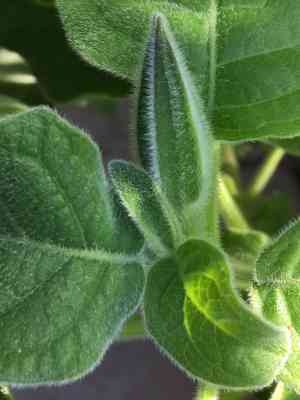
Distinguished by its impressive trumpet-like crimson blossoms, red angel's trumpet flourishes with consistent trimming. Shorten elongated stalks and eliminate deceased or ailing wood in late spring or early summer, following the flowering period, to foster a denser form and boost flower production. Reduce congested limbs to improve light access and air movement, which can deter insect problems and illnesses. Trimming encourages fresh development, guaranteeing a robust, thriving plant with plentiful, vivid presentations annually.
What Are the Advantages of Trimming Red Angel's Trumpet?
What Are the Advantages of Trimming Red Angel's Trumpet?
Trimming red angel's trumpet promotes abundant flowering and strong vitality by eliminating spent blooms and unhealthy material, thereby boosting resistance to pests and diseases while stimulating fresh, vigorous development.
When Is the Optimal Time for Trimming Red Angel's Trumpet?
When Is the Optimal Time for Trimming Red Angel's Trumpet?
The recommended periods for trimming red angel's trumpet are late spring and early summer due to various factors related to the plant's natural growth cycle and environmental requirements. During late spring, red angel's trumpet has typically finished its initial growth surge, making it an ideal moment to shape the plant and remove any frost damage that may have occurred over winter. This timing allows gardeners to clear away old or dead material before the onset of the vigorous summer growth period. Trimming in early summer helps encourage healthy new growth and can enhance blooming. This period follows the spring growth cycle, when red angel's trumpet is not actively producing new flowers, reducing the risk of cutting off potential blooms. Trimming at this time ensures the plant directs its energy into producing strong new shoots and a profusion of flowers in the subsequent season. Removing any leggy or overgrown branches during these seasons helps maintain the desired form and facilitates better air circulation, which can reduce the likelihood of fungal diseases. It also encourages a more robust structure capable of supporting the heavy flowers red angel's trumpet is known for. The timing aligns with the plant's recovery period, giving red angel's trumpet ample time to heal before cooler temperatures arrive, which can help bolster its resilience against pests and environmental stressors.
What Tools Are Necessary to Trim Red Angel's Trumpet?
Hand Pruners (Bypass Pruners)
For making clean cuts on red angel's trumpet's smaller stems and branches, hand pruners are indispensable. Their scissor-like action allows for precise, clean cuts, promoting healthy regrowth.
Loppers
Because of red angel's trumpet's potentially thick branches, loppers are advised for cutting through stems that are too large for hand pruners to manage. Loppers provide the necessary leverage and reach for making larger cuts.
Pruning Saw
For the thickest branches of red angel's trumpet that loppers cannot handle, a pruning saw is essential. It can cut through large branches and is suitable for maintaining the overall shape and health of the plant.
How to Trim Red Angel's Trumpet
Clean tools
Sanitize trimming tools before starting to prevent the spread of diseases to red angel's trumpet. Use rubbing alcohol or a 10% bleach solution to clean blades thoroughly.
Remove diseased parts
Cut off all diseased leaves and diseased branches from red angel's trumpet, ensuring cuts are made at a healthy section just below the affected area to prevent contamination of the rest of the plant.
Cut dead material
Trim away dead branches and withered leaves, making angled cuts just above a bud or branching point to promote healthy new growth in red angel's trumpet.
Trim withered flowers
Snip off withered flowers from red angel's trumpet to encourage further blooming and redirect energy to new growth. Make the cuts above the first set of healthy leaves.
Shape plant
Thin out excessive growth branches to maintain the desired shape and improve air circulation within red angel's trumpet. Make cuts at a 45-degree angle just above outward-facing buds to direct future growth.
Common Trimming Errors with Red Angel's Trumpet
Over-Trimming
Removing too much foliage from red angel's trumpet at once can shock the plant, leading to reduced flowering or even plant death. Novice gardeners often make the mistake of cutting back the plant too harshly, which can be detrimental to its health.
Improper Tool Use
Using dull or dirty trimming tools can result in jagged cuts, increasing the risk of disease and pest infestations in red angel's trumpet. Both novice and experienced gardeners must ensure tools are sharp and sterilized to make clean, precise cuts.
Ignoring Plant Structure
Failure to consider the natural shape and growth habit of red angel's trumpet can lead to a lack of balance and an aesthetically displeasing appearance. Misshaped trimming can also impede the plant's natural growth and flowering potential.
Snipping Randomly
Randomly cutting branches without a plan can harm red angel's trumpet's overall health and appearance. Gardeners need to trim with intention, targeting overgrowth, dead or diseased wood, and areas that improve the plant's shape and efficiency.
Common Trimming Advice for Red Angel's Trumpet
Selective Trimming
Focus on thinning out dense areas of red angel's trumpet to improve air circulation and light penetration, which promotes healthy growth and flowering. Remove only the necessary branches and leaves to maintain the plantâs vigor.
Cut at the Right Angle
Make angled cuts just above leaf nodes or branching points on red angel's trumpet, promoting proper healing and new growth in the desired direction. Ensure that the angle is steep enough to prevent water accumulation that could lead to rot.
Trim for Shape
To maintain the desired form of red angel's trumpet, trim to reinforce its natural shape. This encourages a more aesthetically pleasing and structurally sound plant, which can enhance flowering.
After-Trimming Care
After trimming red angel's trumpet, apply a balanced fertilizer to support the plantâs recovery and new growth. Water the plant appropriately to help it rejuvenate and maintain health throughout the growing season.



