How to Prune Paper mulberry?
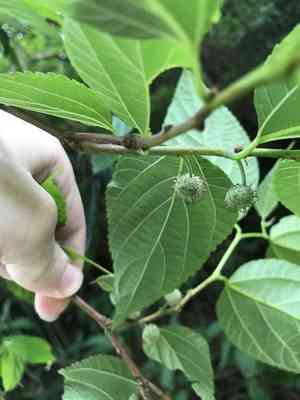
A deciduous tree recognized for its diverse applications, paper mulberry necessitates periodic upkeep for optimal well-being and output. Essential trimming techniques include reducing crowded branches and excising lifeless or ailing boughs to improve light exposure and airflow. Pruning is most effectively carried out in the colder months when the plant is inactive, thereby reducing strain and the leakage of sap. Consistent pruning sculpts the tree, stimulates fresh development, and boosts fruit production, which is crucial for a plant prized for its fibrous outer layer.
What Are the Benefits of Pruning Paper Mulberry?
What Are the Benefits of Pruning Paper Mulberry?
Trimming paper mulberry boosts yield potential, encourages robust development, and maintains the desired plant form. Regular trimming ensures paper mulberry stays healthy and productive, while also managing its size for visual appeal and space considerations.
What Is the Best Time for Pruning Paper Mulberry?
What Is the Best Time for Pruning Paper Mulberry?
Trimming paper mulberry in late winter to early spring is optimal as the plant is still dormant, minimizing stress and sap loss. This timing also allows for easy identification and removal of dead or diseased wood without leaf obstruction. Pruning before spring growth also helps direct the plant's energy towards new, healthy branches, leaves, and potentially flowers or fruit, fostering strong structure and vigor in paper mulberry.
What Tools Do I Need to Prune Paper Mulberry?
Hand Pruners
Perfect for making clean cuts on smaller branches and twigs of paper mulberry, ensuring minimal harm to the plant's tissues.
Lopping Shears
Suitable for cutting branches too thick for hand pruners, typically up to 1.5 inches in diameter, common in mature paper mulberry growth.
Pruning Saw
Ideal for removing larger branches that lopping shears can't handle, allowing for precise cuts without tearing the bark of paper mulberry.
Hedge Shears
Useful for shaping and maintaining the dense foliage of paper mulberry, especially for creating hedges or controlling its spread.
Pole Pruner
Essential for reaching higher branches of paper mulberry without a ladder, enhancing safety during the pruning process.
How to Prune Paper Mulberry
Disinfect Tools
Before starting the pruning process, thoroughly clean and sanitize all pruning tools to prevent disease transmission to paper mulberry.
Remove Diseased And Dead Material
Carefully cut away diseased and withered leaves, as well as dead and diseased branches of paper mulberry. Make cuts at a 45-degree angle just above a healthy bud or intersecting branch to promote quick healing and new growth.
Thin Excessive Growth
Thin paper mulberry's overly dense branches to improve light penetration and air circulation within its canopy. Select branches that cross or grow inward towards the center of paper mulberry, and cut them back to the base or their point of origin.
Reshape Structure
To maintain paper mulberry's structural integrity and aesthetic form, shorten overly long branches and cut back any out-of-place growth. Ensure to prune back to just above a leaf or node that faces the desired direction of future growth.
Cleanup
After pruning, clear all fallen debris from around paper mulberry to prevent fungal growth and disease spread. Dispose of diseased material away from the garden area.
Common Pruning Mistakes with Paper Mulberry
Over-Pruning
Removing too much growth can stress paper mulberry, making it more vulnerable to pests and diseases while also reducing its vigor. Novice gardeners should avoid cutting more than one-third of the plant's living tissue.
Improper Cutting Angle
Incorrect cut angles can lead to water accumulation on paper mulberry's wounds, promoting rot and fungal infections. Aim for a 45-degree angle sloping away from the nearest bud.
Leaving Stubs
Leaving branch stubs instead of cutting close to a main branch or trunk can hinder paper mulberry's healing process and encourage disease entry.
Dirty Tools
Using unsanitized pruning tools can spread disease between plants. Always clean and disinfect tools before moving from one plant to another.
Tearing Bark
When cutting large branches, tearing can occur, removing bark and creating a large wound. This can be avoided by making an undercut first before slicing through from the top.
Pruning For Size Only
Focusing solely on reducing size and neglecting shape can lead to a less aesthetically pleasing outcome and potentially harm paper mulberry's structural integrity.
Common Pruning Tips for Paper Mulberry
Sharp Tools
Use sharp, clean pruning shears or saws for clean cuts that heal quickly, preventing diseases from infecting paper mulberry.
Proper Technique
When pruning paper mulberry, cut just above an outward-facing bud to encourage outward growth. This also prevents moisture buildup that can lead to disease.
Thinning Out
Thin out dense areas by removing some of the inner branches. This improves airflow and light penetration, promoting paper mulberry's overall health and reducing disease pressure.
Remove Dead Or Diseased Wood
Regularly check for and remove any dead, dying, or diseased branches to help maintain paper mulberry's health and to prevent the spread of decay.
Selective Pruning
Rather than cutting back indiscriminately, selectively remove branches of paper mulberry that are crossing, rubbing, or growing inward to create a strong, well-spaced framework.
Cut At The Node
Make cuts at the node where one branch/twig of paper mulberry attaches to another. This promotes better healing and a more natural growth pattern.



