How to Prune Splitleaf brickellbush?
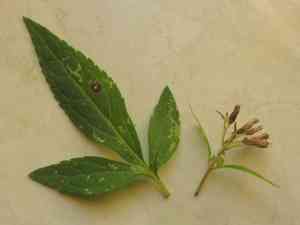
The splitleaf brickellbush is distinguished by its profoundly incised leaves and fragrant greenery. Essential trimming methods for splitleaf brickellbush include eliminating deceased or compromised wood and judiciously shortening excessively long branches. The most favorable periods for pruning are in early spring or late winter, precisely prior to the emergence of new shoots. This schedule improves air movement and fosters robust development. Consistent trimming aids in preserving the plant's form and stimulates flowering. It is advisable to employ sharp, sanitized implements to prevent the spread of pathogens.
What Are the Benefits of Pruning Splitleaf Brickellbush?
What Are the Benefits of Pruning Splitleaf Brickellbush?
Pruning splitleaf brickellbush encourages robust development and helps maintain its desired form. This practice manages its size, improves air circulation, lowers pest and disease risks, and fosters healthy foliage, leading to a strong and attractive plant.
What Is the Best Time for Pruning Splitleaf Brickellbush?
What Is the Best Time for Pruning Splitleaf Brickellbush?
The optimal time for pruning splitleaf brickellbush is during late winter and early spring. This period aligns with the plant's dormancy, minimizing stress and allowing for vigorous regrowth. Pruning before new growth begins ensures wounds heal sufficiently before the growing season, promoting healthy and strong development. This timing also typically precedes the flowering phase, helping to preserve the plant's structural integrity and visual appeal throughout its bloom.
What Tools Do I Need to Prune Splitleaf Brickellbush?
Hand Pruners
Hand pruners are perfect for splitleaf brickellbush because they allow precise cuts on smaller stems and branches, which is vital for preserving the plant's shape and vitality.
Loppers
Loppers are suitable for cutting thicker splitleaf brickellbush branches that hand pruners might struggle with. They provide greater leverage and can reach deeper into the plant.
Pruning Saws
A pruning saw is recommended for removing larger, more mature splitleaf brickellbush branches that cannot be cut with hand pruners or loppers. They facilitate clean cuts that aid in better healing.
Clean Cloth and Rubbing Alcohol
A clean cloth and rubbing alcohol are crucial for sanitizing tools to prevent the spread of diseases when pruning splitleaf brickellbush.
How to Prune Splitleaf Brickellbush
Inspect
Carefully examine splitleaf brickellbush for any diseased, withered leaves, or dead branches. This initial check helps pinpoint all areas of the plant needing attention.
Remove infected parts
Using sanitized pruning shears, carefully remove all diseased leaves and branches. Ensure cuts are made below the affected area into healthy tissue to stop disease spread.
Dispose properly
Safely discard all removed diseased leaves and branches away from the garden to prevent contamination. Do not compost these parts as they may harbor pathogens.
Trim withered leaves
Snip off any withered leaves to encourage new growth and maintain the plant's aesthetic appeal. Make clean cuts close to the leaf stem's base.
Deadwood removal
Cut away dead wood with pruning shears, trimming back to a healthy section of the branch. This reduces the risk of pests and diseases contributing to further decay.
Common Pruning Mistakes with Splitleaf Brickellbush
Over-pruning
Removing too much of the plant can stress splitleaf brickellbush, leading to reduced health and fewer blooms. This error can hinder the plant's ability to photosynthesize effectively.
Improper Cutting Technique
Making jagged or uneven cuts can harm splitleaf brickellbush, resulting in poor healing and increased vulnerability to disease and pests.
Pruning at the Wrong Nodes
Cutting too close to the base or too far from a node can negatively impact regrowth, causing weak or poorly directed new growth.
Neglecting Deadwood
Failing to remove dead, damaged, or diseased branches can spread pathogens, detracting from splitleaf brickellbush's overall health.
Ignoring the Plant's Natural Shape
Excessive shaping or cutting against splitleaf brickellbush's natural growth patterns can result in unnatural and unattractive forms, diminishing its aesthetic value.
Common Pruning Tips for Splitleaf Brickellbush
Use Sharp and Clean Tools
Ensure pruners are sharp and sterilized to make clean cuts and minimize the risk of disease transmission.
Make Angled Cuts
When cutting, angle the pruners to promote optimal healing and direct water away from the cut, reducing rot risk.
Prune Sparingly
Remove no more than a third of splitleaf brickellbush at a time to maintain its vigor and encourage healthy growth.
Observe the Plant's Structure
Identify the main branches and shape splitleaf brickellbush to enhance its natural form. This approach preserves the plant's aesthetics and structural integrity.
Focus on Health First
Prioritize removing dead, damaged, or diseased wood before shaping the plant. This practice ensures splitleaf brickellbush remains healthy and disease-free.



