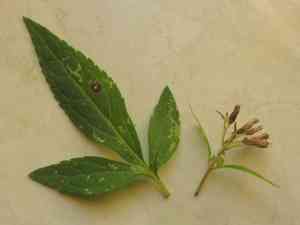
Splitleaf brickellbush (Brickellia laciniata)
Also known as: none
Brickellia laciniata is a shrub that can reach up to 1.2 meters in height. It features numerous small flower heads containing yellow-green disc florets, and it does not produce ray florets.
In This Article
Attributes of Splitleaf brickellbush
Lifespan
Perennial
Plant Type
Shrub
Plant Height
91 cm to 1.8 m
Spread
None specified
Leaf Color
Green
Flower Size
Less than 1 inch
Flower Color
White to pale yellow
Images of Splitleaf brickellbush
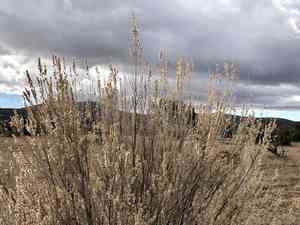
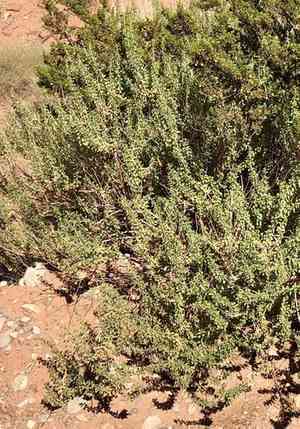
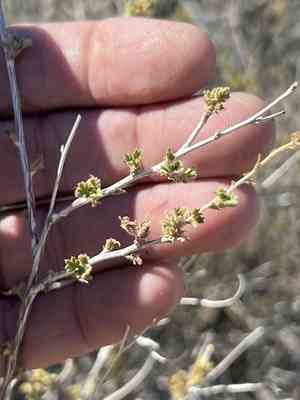
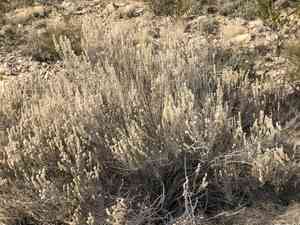
Quickly Identify Splitleaf brickellbush
1
The plant can be identified by its deeply lobed leaves and its small, white to pale yellow flower clusters.
Scientific Classification of Splitleaf brickellbush
Phylum
Vascular plants
Class
Dicotyledons
Order
Asterales
Family
Daisy
Genus
Brickellbushes
Species
Splitleaf brickellbush
Planting and Growing of Splitleaf brickellbush
Care Difficulty
Moderate
Watering Schedule
Every 3 days
Sunlight Requirements
Full sun
Sunshine Duration
4-8 hours
Ideal Temperature
65-75℉
Soil Type
Potting Mix, Peat Mix
Soil pH
6.5-7.5
Fertilizer Type
Balanced
Pruning Season
Spring, Summer
Pruning Area
Branches, Leaves
Pruning Frequency
2 times a year
Repotting Season
Spring
Pot Type
Plastic, Ceramic
 How to Water Splitleaf brickellbush?
When watering Brickellia laciniata, aim for consistency. Water approximately 250 ml each time, ensuring that the soil is moist without being waterlogged. The top layer of soil should be allowed to dry out slightly between waterings to prevent root rot. It's best to water until you see a slight runoff from the pot's drainage holes, ensuring deep soil penetration.
What are the symptoms of an underwatered Splitleaf brickellbush?
›
What should I do if my Splitleaf brickellbush is not getting enough water?
›
What are the symptoms of an overwatered Splitleaf brickellbush?
›
How to save an overwatered Splitleaf brickellbush?
›
 What Are the Sunlight Requirements for Splitleaf brickellbush?
Brickellia laciniata thrives best under full sun to partial shade, benefiting from approximately 6-8 hours of light daily. This lighting range fosters healthy photosynthesis, resulting in vibrant growth and resilience against environmental stresses.
What is the ideal light condition for Brickellia laciniata?
›
How can you ensure Brickellia laciniata gets ideal lighting?
›
What benefits does Brickellia laciniata gain from ideal lighting?
›
 What Is the Ideal Temperature Range for Splitleaf brickellbush?
Brickellia laciniata thrives best in temperatures ranging from 65°F to 75°F. This range provides the optimal environment for growth and development, ensuring that the plant's metabolic processes are functioning efficiently. In these conditions, photosynthesis and nutrient uptake occur at ideal rates, leading to robust growth.
 What Soil is Best for Splitleaf brickellbush?
Brickellia laciniata prefers well-drained soil to prevent waterlogging and root rot. This requirement ensures the roots receive adequate oxygen, promoting healthy growth and resilience against soil-borne diseases. A rich nutrient profile is essential for Brickellia laciniata, as it supports vigorous growth and enhances the plant's flowering capabilities. Nutrient-rich soil provides essential minerals that contribute to a robust and lush appearance. The soil should retain some moisture while still allowing for sufficient drainage. This balance prevents drought stress without suffocating the roots, crucial for maintaining the plant's vitality in varying climatic conditions.
 How to Fertilize Splitleaf brickellbush?
For Brickellia laciniata, use a balanced liquid fertilizer at a half-strength concentration. Apply approximately 1 tablespoon of the diluted solution per plant every watering cycle, ensuring the soil is moist but not waterlogged.
 How to Prune Splitleaf brickellbush?
Before starting to prune, identify the plant's natural growth pattern. Look for any dead or diseased wood, and focus on trimming those parts first to encourage new growth. To promote a denser and bushier plant, pinch or trim back the tips of each stem by a few inches. This stimulates the plant to produce more side shoots, resulting in a fuller look. During pruning, if you notice any branches that are growing disproportionately long and appear weak or leggy, cut them back to the base or to a stronger junction to maintain the plant's shape.
More About Pruning Techniques→
 How to Propagate Splitleaf brickellbush plant?
1
Collect mature seeds from the parent plant and clean them from any debris. Soak them in water for about 24 hours before planting to enhance germination rates. Plant the seeds in seed trays filled with a seed-starting mix.
2
Select a healthy branch from the parent plant and cut a 4-6 inch segment. Remove the lower leaves and dip the cut end in rooting hormone to encourage root development. Plant the cutting in a potting mix and water it thoroughly.
3
Identify a mature plant with multiple stems emerging from the root base. Gently dig around the plant to expose the roots, then carefully separate the plant into smaller sections, ensuring each has roots attached. Replant each division into prepared soil and water well.
 How to Repot Splitleaf brickellbush plant?
1
Knowing the perfect time to repot your Brickellia laciniata is essential. Look for signs like roots emerging from the drainage holes or the plant appearing stunted despite regular care. These indicators suggest that it's time to give your plant a new home to encourage healthy growth and development.
2
Selecting the right pot for your Brickellia laciniata is crucial. Opt for a container that is one to two inches larger in diameter than the current one to accommodate growth while ensuring proper drainage. This helps prevent waterlogged soil, which can cause root rot and other issues.
3
For Brickellia laciniata, a well-draining potting mix is vital. Consider using a combination of peat, perlite, and coarse sand. This mix maintains proper moisture levels while providing enough aeration for the roots, ensuring your plant remains healthy and vibrant.
Learn More About Splitleaf brickellbush Diseases
Anthracnose
Bacterial Leaf Spot
Bacterial Soft Rot
Bacterial Wilt
Black Spot
Chemical Injury
Crown Gall
Cyst Nematode
Damping-off
Downy Mildew
Drought Stress
Fusarium Wilt
Gray Mold
Leaf Curl
Leaf Spot
Mosaic
Nutrient Deficiency
Nutrient Toxicity
Powdery Mildew
Root Rot
Root-knot Nematode
Rusts
Sooty Mold
Spider Mites
Temperature Stress
Thrips Damage
White Mold



