How to Prune Woolly brickellbush?
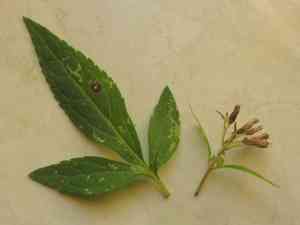
Distinguished by its fuzzy feel and fragrant foliage, Brickellia incana thrives with trimming from late winter through early spring. Remove any lifeless or compromised branches to foster robust development and sculpt the plant. Reducing Brickellia incana by approximately one-third stimulates denser growth and better air movement, lowering the chance of illness. Consistent trimming also boosts bloom production. Always employ sanitized, keen implements to avert contamination. Refer to local resources for any specific regional adjustments.
What Are the Benefits of Pruning Woolly Brickellbush?
What Are the Benefits of Pruning Woolly Brickellbush?
Trimming woolly brickellbush promotes robust development by eliminating dead or weak limbs, maintains a neat form, and improves air circulation, lowering disease risk. It also fosters healthier, denser foliage, supporting overall plant vitality and resilience.
What Is the Best Time for Pruning Woolly Brickellbush?
What Is the Best Time for Pruning Woolly Brickellbush?
Woolly brickellbush's ideal trimming periods are early spring and late winter. These seasons are optimal because the plant is typically dormant or just commencing its growth cycle, which minimizes stress and encourages healthy regrowth. Pruning during these times ensures that woolly brickellbush is not diverting energy into blooming or fruiting, allowing it to concentrate on recovery and new development.
What Tools Do I Need to Prune Woolly Brickellbush?
Bypass Pruners
Ideal for clean cuts on living stems and branches up to 1 inch in diameter. Essential for precise trimming to shape woolly brickellbush and remove lifeless or damaged sections.
Lopping Shears
Perfect for severing thicker branches too large for bypass pruners. Select loppers with a bypass blade for neat, accurate cuts without crushing the stems.
Pruning Saw
Useful for cutting branches exceeding 2 inches in thickness. Ensure the saw has a curved blade for easier handling when cutting branches within the dense or awkwardly positioned areas of woolly brickellbush.
Hedge Shears
Excellent for trimming and shaping the overall bushy growth of woolly brickellbush. These are beneficial for maintaining the desired form and encouraging thicker foliage.
Handheld Pruning Knife
Perfect for delicate cuts and removing smaller, intricate parts of woolly brickellbush. This tool is useful for more detailed trimming and eliminates suckers or small shoots.
Gloves
Crucial for protecting hands from sharp implements and any irritants that may be present on woolly brickellbush. Ensure heavy-duty gloves are worn to prevent injuries while handling sharp or rough branches.
How to Prune Woolly Brickellbush
Inspect
Examine woolly brickellbush for any diseased leaves, withered leaves, and dead or diseased branches. Note the areas requiring attention.
Remove diseased leaves
Using sterilized pruning shears, carefully snip off any diseased leaves from woolly brickellbush. Ensure you cut close to the base of the leaf stem to prevent disease spread.
Remove withered leaves
Trim away all withered leaves, making sure to use sharp, clean tools. Remove these leaves close to their base for a tidy appearance and to prevent decay.
Cut dead branches
Prune dead branches by cutting them back to the nearest healthy part of woolly brickellbush. Make clean cuts to encourage proper healing and new growth.
Remove diseased branches
Identify branches showing signs of disease. Trim these branches back to healthy tissue, ensuring sterilization of tools between cuts to avoid spreading pathogens.
Common Pruning Mistakes with Woolly Brickellbush
Improper technique
Many gardeners use dull or dirty pruning tools which can cause jagged cuts and invite disease. Ensure tools are sharp and clean before starting.
Over-pruning
Removing too much foliage can stress woolly brickellbush and reduce its flowering potential. It's essential to limit the extent of pruning to avoid shocking the plant.
Poor cut placement
Cutting too close to the stem or not making the cut at the right angle can damage the plant and lead to poor healing. Always make cuts just above a node or bud, angling slightly away from it.
Ignoring dead or diseased wood
Failing to remove dead or diseased branches can spread infections throughout woolly brickellbush and diminish its health.
Common Pruning Tips for Woolly Brickellbush
Use clean tools
Always use sterilized and sharp pruning tools to make clean cuts. This reduces the risk of disease and allows quicker healing.
Make selective cuts
Focus on removing dead, damaged, or crossing branches. This encourages better air circulation and light penetration, which promotes healthy growth and flowering.
Cut above a node
When making pruning cuts, always cut just above a node or bud to encourage new growth in the desired direction.
Avoid late pruning
While timing isn't detailed here, avoid pruning once new growth has started to prevent stunting or damaging new shoots.
Step back and assess
Periodically step back to assess the overall shape and balance of woolly brickellbush. This helps ensure a more aesthetically pleasing and well-proportioned plant.



