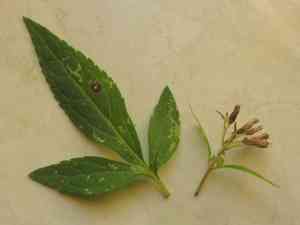
Woolly brickellbush (Brickellia incana)
Also known as: None
Brickellia incana, also known as woolly brickellbush, is a flowering plant in the daisy family. It is indigenous to the southwestern United States, particularly thriving in the Mojave and Sonoran Deserts. Its range includes parts of California, Nevada, and Arizona.
In This Article
Attributes of Woolly brickellbush
Lifespan
Perennial
Plant Type
Shrub
Plant Height
1-3 feet (30-90 cm)
Spread
1-2 feet (30-60 cm)
Leaf Color
Grayish-green
Flower Size
0.25-0.5 inches (6-12 mm)
Flower Color
Yellow
Images of Woolly brickellbush
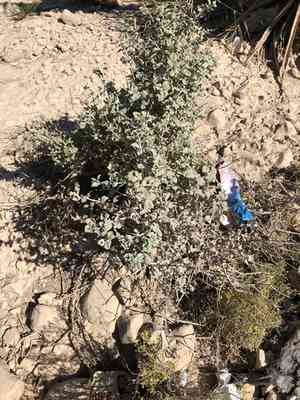
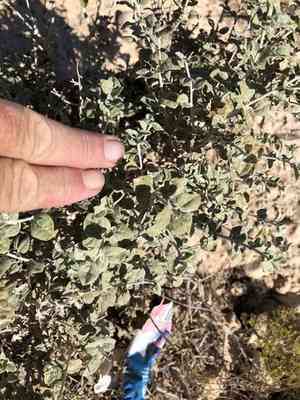
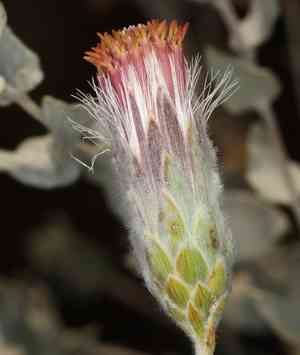
Quickly Identify Woolly brickellbush
1
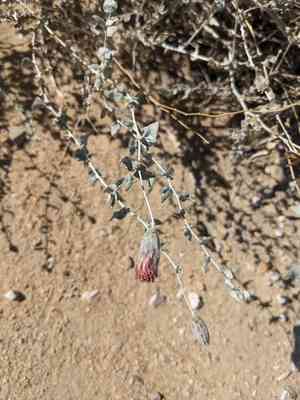
Brickellia incana can be identified by its woolly or hairy stems and leaves, and small yellow flowers arranged in clusters. The leaves are generally grayish-green due to the dense, woolly hairs covering them.
Scientific Classification of Woolly brickellbush
Phylum
Vascular plants
Class
Dicotyledons
Order
Asterales
Family
Daisy
Genus
Brickellbushes
Species
Woolly brickellbush
Planting and Growing of Woolly brickellbush
Care Difficulty
Moderate
Watering Schedule
Every 3 days
Sunlight Requirements
Full sun
Sunshine Duration
4-6 hours
Ideal Temperature
60-75℉
Soil Type
Potting Mix, Peat Mix
Soil pH
6.5-7.5
Fertilizer Type
Balanced
Pruning Season
Spring, Summer
Pruning Area
Branches, Leaves
Pruning Frequency
2 times a year
Repotting Season
Spring
Pot Type
Terracotta, Plastic
 How to Water Woolly brickellbush?
For Brickellia incana, aim to provide approximately 250 ml of water per session. The goal is to moisten the soil evenly without oversaturating it, ensuring that the top layer becomes damp while the bottom remains relatively dry. This balance mimics its native environment where water is not abundant but timely.
What are the symptoms of an underwatered Woolly brickellbush?
›
What should I do if my Woolly brickellbush is not getting enough water?
›
What are the symptoms of an overwatered Woolly brickellbush?
›
How to save an overwatered Woolly brickellbush?
›
 What Are the Sunlight Requirements for Woolly brickellbush?
Partial to full sun conditions benefit Brickellia incana by encouraging full leaf development and bloom production, optimizing both aesthetic and plant health.
Best Orientation for Plant
›
Solution for Ideal Light
›
Effects of Optimal Lighting
›
 What Is the Ideal Temperature Range for Woolly brickellbush?
For optimal growth, Brickellia incana prefers a temperature range between 60°F and 75°F. This range ensures that the plant can efficiently photosynthesize and absorb necessary nutrients from the soil. Maintaining temperatures within this range maximizes vigor and potential flowering, leading to a healthier and more productive plant.
 What Soil is Best for Woolly brickellbush?
Brickellia incana thrives in well-drained soil which prevents root rot and provides adequate aeration, vital for root development. This allows the plant to absorb essential nutrients efficiently, promoting healthy growth. A fertile soil rich in organic matter supports the lush growth of Brickellia incana, supplying necessary nutrients for vibrant foliage and robust blooming. Adding compost can enhance soil fertility and improve plant vitality. The soil should retain enough moisture without becoming waterlogged, ensuring a steady supply of water to the plant. This balance supports sustained growth and prevents stress caused by drought conditions.
 How to Fertilize Woolly brickellbush?
For Brickellia incana, it's crucial to strike a balance with fertilization. During the growing season, apply a liquid fertilizer at half strength every two weeks, ensuring the plant receives a gentle nutrient boost without overwhelming it.
 How to Prune Woolly brickellbush?
Before you start, identify branches that look dead, damaged, or overcrowded. Begin by trimming back these branches to improve airflow and light penetration. This encourages vigorous growth and better blooming. Always use sharp, clean pruning shears to avoid tearing the branches. Clean cuts heal faster, reducing the risk of disease. Make cuts at a 45-degree angle just above a growth node or bud for optimal recovery. Shape the plant by cutting back overlong stems and maintaining its natural form. Removing about a third of the growth can prevent the plant from becoming leggy and ensures it remains bushy and full.
More About Pruning Techniques→
 How to Propagate Woolly brickellbush plant?
1
Fill the seed trays with a well-draining seed-starting mix. Moisten the soil evenly, ensuring that it is damp but not waterlogged. This creates an ideal environment for seed germination.
2
Select healthy stems from the parent plant of Brickellia incana. Using pruning shears, cut a 4-6 inch section from a non-flowering shoot just below a node. Remove lower leaves to expose the nodal area.
3
Locate mature clumps of Brickellia incana and gently dig around them, lifting the plant with minimum root disturbance. Use a sharp tool to divide the rootball into smaller sections, each with shoots and roots.
 How to Repot Woolly brickellbush plant?
1
Brickellia incana should be repotted when you notice roots circling around the bottom of the pot or emerging from the drainage holes. The plant may also show a slow growth rate, indicating limited space for root expansion. Repotting is best done during the warmer months when the plant is actively growing, ensuring it adjusts well to its new environment.
2
Select a pot that is one size larger than the current one. It should have adequate drainage holes to prevent waterlogging. A pot that's too large can retain excess moisture, leading to root rot, while the right size will give the roots room to grow without overwhelming them.
3
Opt for a well-draining cactus mix enriched with additional sand or perlite. This type of soil mimics the native arid conditions of Brickellia incana, promoting healthier root development and preventing common issues such as root rot.
Toxicity
Ingestion
WARNING
The judgment on toxicity and danger is for reference only. We DO NOT GUARANTEE any accuracy of such judgment. Therefore, you SHALL NOT rely on such judgment. It is IMPORTANT TO SEEK PROFESSIONAL ADVICE in advance when necessary.
Learn More About Woolly brickellbush Diseases
Anthracnose
Bacterial Leaf Spot
Bacterial Soft Rot
Bacterial Wilt
Black Spot
Chemical Injury
Crown Gall
Cyst Nematode
Damping-off
Downy Mildew
Drought Stress
Fusarium Wilt
Gray Mold
Leaf Curl
Leaf Spot
Mosaic
Nutrient Deficiency
Nutrient Toxicity
Powdery Mildew
Root Rot
Root-knot Nematode
Rusts
Sooty Mold
Spider Mites
Temperature Stress
Thrips Damage
White Mold



