How to Prune Tasselflower brickellbush?
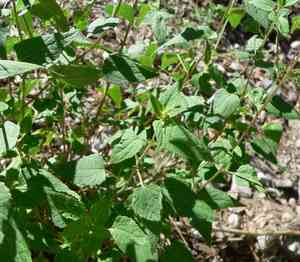
Tasselflower brickellbush, a perennial shrub recognized for its thick leaves and groupings of tiny, soft blossoms, flourishes with consistent upkeep. Perform trimming in late spring to early summer, snipping off faded blooms and molding the shrub to foster denser development and improved flowering. Prioritize the elimination of deceased or injured stems to preserve the plant's well-being. Trimming beyond the suggested timeframe could lead to a reduction in flowers, given that tasselflower brickellbush produces blooms on the current season's growth.
Advantages of Trimming Tasselflower Brickellbush
Advantages of Trimming Tasselflower Brickellbush
Trimming tasselflower brickellbush promotes robust development and preserves its desired form. By eliminating dead or overgrown branches, tasselflower brickellbush is encouraged to generate strong new growth and maintain a compact, appealing shape, crucial for its decorative appeal.
Optimal Time for Trimming Tasselflower Brickellbush
Optimal Time for Trimming Tasselflower Brickellbush
Trimming tasselflower brickellbush in late spring and early summer aligns with its post-bloom growth cycle, enabling the plant to recover and direct resources to new development. This timing avoids cutting the plant during its flowering period, typically in the fall, ensuring the plant's health and aesthetic value are not diminished. Furthermore, pruning after the frost risk has passed reduces stress and potential harm, while warmer weather facilitates quicker healing of pruning wounds. Trimming during this period also helps maintain the plant's preferred shape and size, fosters denser foliage, and removes any dead or diseased branches, enhancing overall plant vitality.
Essential Tools for Trimming Tasselflower Brickellbush
Hand Pruners
Perfect for making precise cuts on tasselflower brickellbush's smaller stems and branches. Hand pruners ensure clean cuts that heal quickly without harming the plant.
Loppers
Suitable for reaching deeper or higher into the tasselflower brickellbush to trim thicker branches that hand pruners cannot manage. Their long handles provide leverage for clean cuts on branches up to 1 1/2 inches thick.
Pruning Saw
Required for handling the thickest branches of tasselflower brickellbush that are too large for hand pruners and loppers. A sharp-toothed pruning saw guarantees smooth, clean cuts on branches several inches thick.
Gardening Gloves
Protects the gardener's hands from thorns and plant sap while trimming tasselflower brickellbush, ensuring a safe gardening experience.
Pruning Shears
For shaping and managing the growth of tasselflower brickellbush, pruning shears are ideal. They are designed to snip thinner stems and foliage with accuracy.
Disinfectant
Applying a disinfectant to pruning tools before and after trimming tasselflower brickellbush helps prevent disease spread and maintain plant health.
How to Trim Tasselflower Brickellbush
Sanitize Tools
Before beginning the trimming process, clean and sanitize all pruning tools to prevent disease transmission to or from tasselflower brickellbush. Use a bleach and water solution or isopropyl alcohol to disinfect the blades.
Remove Diseased Leaves
Carefully inspect tasselflower brickellbush for any diseased leaves as identified in the 'Trim_parts' input. Remove diseased leaves by cutting at the base of the leaf stem. Ensure a clean cut to avoid damaging the healthy parts of the plant.
Trim Withered Leaves
Identify and trim withered leaves on tasselflower brickellbush. Use sharp, sanitized pruning shears to make a clean cut close to the main stem or the parent branch, being careful not to harm any adjacent buds or growth.
Eliminate Diseased Stems
Locate diseased stems on tasselflower brickellbush, and prune them back to healthy tissue. Cut at least a few inches below the diseased portion into the healthy wood, ensuring that no part of the diseased tissue remains.
Cleanup
After trimming, clear away all removed plant material from around tasselflower brickellbush. Dispose of diseased leaves and stems properly to avoid contaminating the soil or spreading disease to other plants.
Common Trimming Errors with Tasselflower Brickellbush
Over-Pruning
Removing too much foliage at once can shock tasselflower brickellbush, leading to stunted growth or failure to bloom. It's crucial to prune conservatively, typically no more than one-third of the plant at a time.
Improper Cuts
Cutting too close to the main stem or leaving too long a stub can hinder tasselflower brickellbush's healing process and invite disease. Make clean cuts just above a leaf node or bud.
Using Dull Tools
Dull pruning tools can cause jagged cuts that are more susceptible to disease. Always use sharp, sanitized tools for clean cuts that heal quickly.
Ignoring Plant Structure
Not considering the natural shape and growth habit of tasselflower brickellbush can result in an unbalanced and unattractive plant. Pruning should maintain the plant's natural form.
Pruning Too Frequently
Excessively pruning tasselflower brickellbush can stress the plant and lead to reduced vigor and flowering. Allow the plant to recover between pruning sessions.
General Trimming Advice for Tasselflower Brickellbush
Selective Pruning
Carefully select branches for removal that are dead, diseased, or crossing to improve air circulation and light penetration for tasselflower brickellbush.
Encourage New Growth
Pruning tasselflower brickellbush should encourage new growth that will produce flowers. Focus on shaping the plant and thinning out old growth to stimulate rejuvenation.
Maintain The Plant'S Habitat
Tasselflower brickellbush thrives in specific conditions; ensure that pruning does not significantly alter its light exposure or other environmental factors it may need for optimal health.
Post-Flowering Trim
After tasselflower brickellbush has finished blooming, a light trim can help maintain its shape and encourage further blooms in the flowering season.
Safety First
Wear gloves and protective eyewear when pruning tasselflower brickellbush, as some plant parts may cause skin irritation or other allergic reactions.



