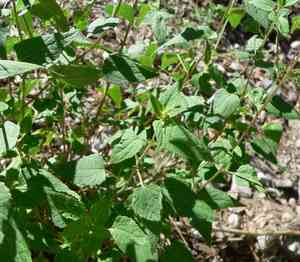
Tasselflower brickellbush (Brickellia grandiflora)
Also known as: Large-flowered brickelbush
Tasselflower brickellbush (Brickellia grandiflora) is a perennial plant that flourishes in rocky terrains and canyons. Blooming from spring through summer, it features clusters of yellow-green, tassel-like tubular flowers. These blooms are followed by fluffy seed heads that mature and spread in the fall. This wildflower favors dry, well-drained soils and sunny conditions, making it well-suited to arid environments.
In This Article
Attributes of Tasselflower brickellbush
Lifespan
Perennial
Plant Type
Herb, Shrub
Plant Height
20 cm to 76 cm
Spread
20 cm to 1 m
Leaf Color
Green
Flower Size
2.5 cm
Flower Color
Yellow Green
Images of Tasselflower brickellbush
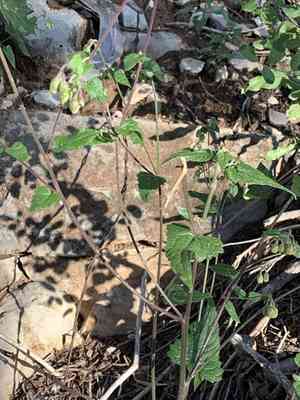
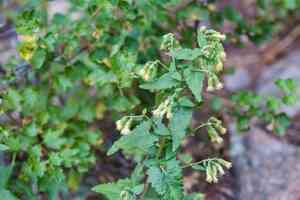
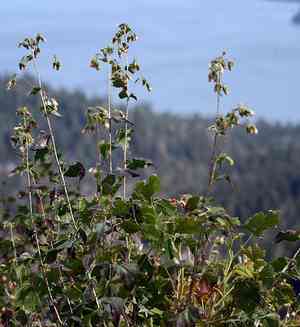
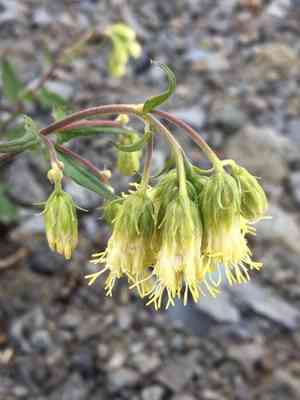
Quickly Identify Tasselflower brickellbush
1
Identifying Brickellia grandiflora involves looking for its large clusters of small, tubular flowers, usually in shades of yellow to pale orange. The plant has narrow leaves that are alternately arranged on the stem. It typically exhibits a bushy appearance.
Scientific Classification of Tasselflower brickellbush
Phylum
Vascular plants
Class
Dicotyledons
Order
Asterales
Family
Daisy
Genus
Brickellbushes
Species
Tasselflower brickellbush
Planting and Growing of Tasselflower brickellbush
Care Difficulty
Easy
Watering Schedule
Every 2 days
Sunlight Requirements
Full sun
Sunshine Duration
6-12 hours
Ideal Temperature
60-75℉
Soil Type
Potting Mix, Peat Mix
Soil pH
6.5-7.5
Fertilizer Type
Balanced
Pruning Season
Spring, Summer
Pruning Area
Branches, Leaves
Pruning Frequency
2 times a year
Repotting Season
Spring
Pot Type
Plastic, Ceramic
 How to Water Tasselflower brickellbush?
For Brickellia grandiflora, the watering amount should ideally saturate the soil without making it waterlogged. Approximately 250 ml is a suitable volume to ensure the plant remains hydrated without excess standing water at the base, which encourages root health.
What are the symptoms of an underwatered Tasselflower brickellbush?
›
What should I do if my Tasselflower brickellbush is not getting enough water?
›
What are the symptoms of an overwatered Tasselflower brickellbush?
›
How to save an overwatered Tasselflower brickellbush?
›
 What Are the Sunlight Requirements for Tasselflower brickellbush?
Brickellia grandiflora favors a light range with full to partial sun exposure, translating to roughly 6 to 8 hours of sunlight. Adequate light boosts photosynthesis, leading to healthier blooms and increased plant durability.
What type of sunlight does Brickellia grandiflora thrive under?
›
How can I ensure Brickellia grandiflora receives ideal lighting?
›
What are the benefits of optimal lighting for Brickellia grandiflora?
›
 What Is the Ideal Temperature Range for Tasselflower brickellbush?
Brickellia grandiflora thrives best in moderate temperatures ranging between 60°F and 75°F. This temperature ensures optimal growth and flowering. Within this range, the plant can maintain its metabolic processes efficiently, leading to healthy foliage and vibrant blooms.
 What Soil is Best for Tasselflower brickellbush?
Brickellia grandiflora thrives best in well-drained soil. This requirement is essential because it prevents water buildup around the roots, which could lead to root rot and ultimately harm the plant's health. This plant prefers moderately fertile conditions. Fertility in soil ensures that Brickellia grandiflora receives essential nutrients for optimal growth, leading to more vibrant and robust foliage. Brickellia grandiflora does not do well in soils that retain excessive moisture. Keeping moisture levels low allows the plant to absorb only the necessary amounts of water, reducing the risk of overwatering issues.
 How to Fertilize Tasselflower brickellbush?
For Brickellia grandiflora, a balanced approach to fertilization is key. Use a diluted liquid fertilizer at half strength, typically at a ratio of 1 tablespoon per gallon of water. This allows the plant to absorb nutrients efficiently without overwhelming the roots.
 How to Prune Tasselflower brickellbush?
Before you start pruning, take a few moments to inspect the plant. Look for dead, diseased, or damaged stems and branches. These should be your primary targets as removing them will improve the plant's appearance and health. When making cuts, aim to do so at a 45-degree angle approximately a quarter-inch above an outward-facing bud. This encourages new growth to develop outward, which promotes better air circulation and a more aesthetic appearance. Shaping is an important aspect of pruning. After removing the dead or damaged branches, take a look at the overall structure of the plant. Gently trim long or uneven branches to create a balanced, pleasing shape.
More About Pruning Techniques→
 How to Propagate Tasselflower brickellbush plant?
1
Harvest mature seeds from Brickellia grandiflora when they begin drying on the plant. Ensure they're fully developed by checking for hard, fully-formed seeds. Store these seeds in a cool, dry place until you're ready to plant them.
2
Select healthy stems and cut 4-6 inch sections using sharp shears. Remove the lower leaves and dip the cut ends in rooting hormone to encourage root development. Ensure each cutting has at least two nodes for optimal growth.
3
In spring, dig up mature plants and gently separate them into smaller sections using your hands or a gardening fork. Each division should have a healthy portion of roots and several shoots or growth nodes for successful re-establishment.
 How to Repot Tasselflower brickellbush plant?
1
Look for signs like roots growing out of the drainage holes or a plant that seems to have outgrown its pot. These are clear indicators that Brickellia grandiflora needs more space to flourish.
2
Select a pot that is 2-3 inches larger in diameter than the current one. Ensure the pot has drainage holes to prevent waterlogging, which can lead to root rot. A terra cotta pot might be ideal as it allows for airflow to the roots.
3
Opt for a well-drained cactus mix enriched with perlite for aeration. This type of soil ensures the roots do not sit in water, promoting healthier growth for the plant.
Learn More About Tasselflower brickellbush Diseases
Anthracnose
Bacterial Leaf Spot
Bacterial Wilt
Crown Gall
Cyst Nematode
Damping-off
Downy Mildew
Drought Stress
Fusarium Wilt
Gray Mold
Leaf Spot
Mosaic
Nutrient Deficiency
Nutrient Toxicity
Powdery Mildew
Root Rot
Root-knot Nematode
Rusts
Sooty Mold
Spider Mites
Temperature Stress
Thrips Damage
White Mold



