How to Prune Large boykinia?
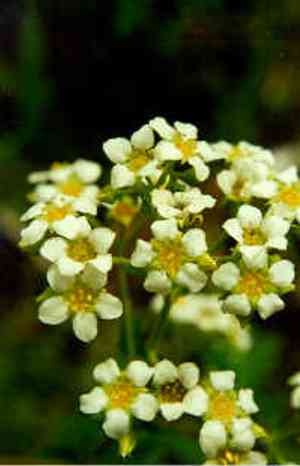
Boykinia major is a sturdy, shade-preferring perennial recognized for its expansive, lobed foliage and fragile, white blossoms. The best times for trimming are in early spring and late winter. Cut away any dead or compromised leaves to foster robust development and eliminate spent flower stems after blooming to enhance air circulation. Consistent trimming stimulates a more energetic plant and can avert excessive density. Verify that instruments are sanitized to avert the spread of pathogens, thereby supporting a thriving cultivation setting.
What Are the Benefits of Pruning Large Boykinia?
What Are the Benefits of Pruning Large Boykinia?
Trimming large boykinia encourages robust development and helps maintain its form. It ensures healthier leaves, promotes denser growth, and lowers the chance of pest and disease outbreaks. Regular trimming also improves air flow and light penetration, boosting the plant's overall vitality.
What Is the Best Time for Pruning Large Boykinia?
What Is the Best Time for Pruning Large Boykinia?
Trimming or cutting back large boykinia in early spring or late winter is optimal as it aligns with the plant's dormant phase before its new growth cycle begins. This timing allows for the removal of dead or damaged stems without stressing the plant, ensuring it can direct energy towards healthy new growth as temperatures rise. Additionally, pruning just before the growing season minimizes infection and disease risks, fostering better overall health and abundant flowering.
What Tools Do I Need to Prune Large Boykinia?
Hand Pruners
Crucial for precise cuts on stems and branches up to 1/2 inch in diameter, typical for large boykinia's development.
Bypass Pruners
Provides clean cuts that encourage better healing and prevent harm to the delicate structure of large boykinia.
Pruning Shears
Useful for shaping and trimming multiple stems simultaneously, perfect for maintaining large boykinia's leaf structure.
Pruning Scissors
Excellent for detailed pruning tasks, such as deadheading or removing small buds and leaves without harming the plant.
Lopping Shears
Recommended for managing thicker branches that may occasionally appear, ensuring a clean cut to prevent disease.
Sterilization Wipes
Important for cleaning tools between cuts to prevent the spread of diseases among large boykinia plants.
How to Prune Large Boykinia
Identify
Examine large boykinia closely to pinpoint any diseased or withered leaves. Diseased leaves often appear discolored, spotted, or have unusual growths, while withered leaves will be dried out or brown.
Tools
Prepare your tools. Use clean, sharp pruning shears to ensure precise cuts and to prevent the spread of disease. Disinfect the tools by wiping the blades with rubbing alcohol before you begin.
Cut back
Carefully cut back the diseased and withered leaves. Make clean cuts at the base of the affected leaf stems, ensuring not to damage the healthy parts of the plant. Remove and dispose of these leaves away from the plant to prevent any potential spread of pathogens.
Inspect
After pruning, inspect large boykinia thoroughly to ensure all diseased and withered leaves have been removed. Pay special attention to the undersides of leaves and the plant's base.
Maintenance
Maintain regular checks on large boykinia to spot any new signs of disease or withering early. Regular maintenance will keep the plant healthy, encourage better growth, and reduce the spread of any potential issues.
Common Pruning Mistakes with Large Boykinia
Incorrect Technique
Using improper tools or cutting methods can harm the plant. Clean, sharp tools are essential for making precise cuts that promote healing.
Over-pruning
Removing too many leaves or stems at once can stress the plant, reducing its vigor and potential for flowering.
Ignoring Dead or Diseased Parts
Failing to remove dead or diseased parts can lead to infestations or spread of disease, compromising the plant's health.
Common Pruning Tips for Large Boykinia
Use Clean Tools
Ensure all pruning tools are disinfected to prevent the spread of disease.
Remove Dead or Damaged Stems
Prioritize the removal of dead, damaged, or diseased stems first to maintain plant health and appearance.
Thin Out Crowded Areas
Thin out crowded stems to improve air circulation and light penetration, which helps reduce disease risk and promotes better growth.
Cut Back to Healthy Growth
When pruning, always cut back to a node or a healthy part of the plant. This ensures better recovery and stimulates new growth.
Moderation is Key
Prune conservatively to avoid unnecessary stress on the plant. Aim to remove no more than one-third of the plant’s material at any given time.



