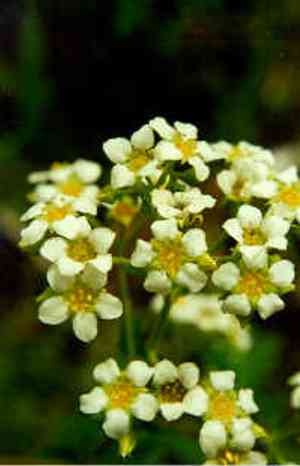
Large boykinia (Boykinia major)
Also known as: Large Boykinia
The large boykinia is a hardy perennial herb characterized by its broad, toothed leaves and clusters of small, white, star-shaped flowers. It prospers in damp, shaded areas, often growing along stream banks or within forest undergrowth. Its considerable height and lush foliage help it access sunlight, and its flowers attract pollinators, aiding in its propagation within these preferred environments.
In This Article
Attributes of Large boykinia
Lifespan
Perennial
Plant Type
Herb
Plant Height
30 cm to 91 cm
Spread
30 cm to 60 cm
Leaf Color
Green
Flower Size
0.5 cm to 1 cm
Flower Color
White
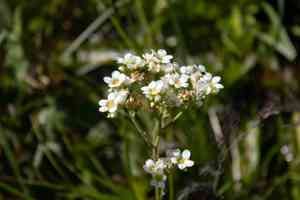
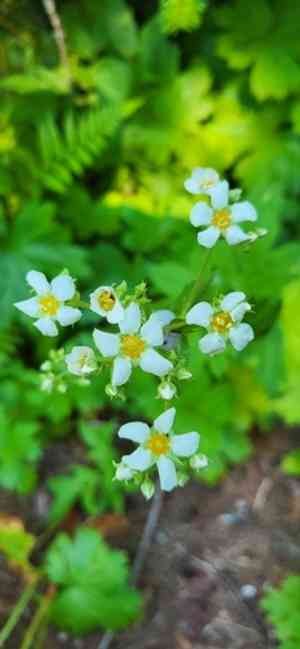
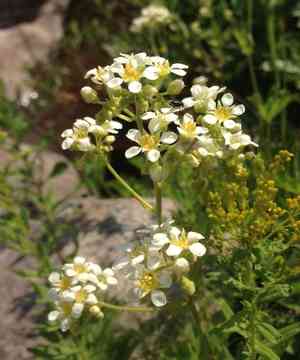
Images of Large boykinia
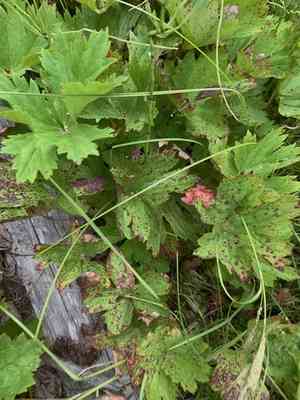
Quickly Identify Large boykinia
1
Large Boykinia can be identified by its large, deeply lobed leaves and clusters of small, white flowers that appear in late spring to early summer. The plant often forms clumps and can spread to create dense ground cover.
Scientific Classification of Large boykinia
Phylum
Vascular plants
Class
Dicotyledons
Order
Saxifragales
Family
Saxifrage
Genus
Boykinia
Species
Large boykinia
Planting and Growing of Large boykinia
Care Difficulty
Moderate
Watering Schedule
Every 4 days
Sunlight Requirements
Partial sun
Sunshine Duration
4-6 hours
Ideal Temperature
60-75℉
Soil Type
Potting Mix, Peat Mix
Soil pH
6-7.5
Fertilizer Type
Balanced
Pruning Season
Spring, Summer
Pruning Area
Branches, Leaves
Pruning Frequency
2 times a year
Repotting Season
Spring
Pot Type
Plastic, Ceramic
 How to Water Large boykinia?
For Boykinia major, it's crucial to maintain a consistently damp soil environment. Aim for around 250 ml of water each time, ensuring the soil is evenly moist like a well-squeezed sponge. Avoid waterlogging, but don't let the soil dry out either.
What are the symptoms of an underwatered Large boykinia?
›
What should I do if my Large boykinia is not getting enough water?
›
What are the symptoms of an overwatered Large boykinia?
›
How to save an overwatered Large boykinia?
›
 What Are the Sunlight Requirements for Large boykinia?
Partial sun to full shade is ideal for Boykinia major. This range ensures that the plant receives enough light to perform photosynthesis efficiently without risking excessive heat stress or dehydration.
What are the ideal light conditions for Boykinia major?
›
How can I achieve these light conditions?
›
What benefits does the ideal light condition bring?
›
 What Is the Ideal Temperature Range for Large boykinia?
The optimal temperature range for growing Boykinia major is between 60°F and 75°F. This temperature range provides the best conditions for growth and photosynthesis, ensuring the plant remains healthy and vibrant. Maintaining these temperatures will promote strong root development and lush foliage.
 What Soil is Best for Large boykinia?
Boykinia major thrives in soil that retains moisture well. This characteristic helps the plant maintain hydration during dry spells, promoting lush growth and vibrant foliage. While it requires moisture retention, the soil must also allow for proper drainage. This prevents root rot by avoiding waterlogged conditions, which can be detrimental to the plant's health. The plant benefits greatly from soil enriched with organic matter. A nutrient-rich environment supports healthy development and robustness against disease.
 How to Fertilize Large boykinia?
For Boykinia major, it is essential to provide a balanced amount of nutrients to support its lush foliage and flowering. A liquid fertilizer should be diluted to half strength, about one tablespoon per gallon of water, while slow-release pellets can be applied at the rate of 1-1.5 pounds per 100 square feet.
 How to Prune Large boykinia?
Being overly aggressive when pruning Boykinia major can lead to damage, as the foliage is delicate. Always cut just above a healthy node or leaf shoot to encourage regrowth. Avoid tearing or pulling stems, as this can harm the plant and slow recovery. Consider wearing gloves to protect the plant from excessive handling, which can bruise or damage leaves.
More About Pruning Techniques→
 How to Propagate Large boykinia plant?
1
Collect seeds from mature plants and inspect them for any signs of disease or damage. Use only healthy seeds for propagation, and storage them in a cool, dry place until ready to plant.
2
Fill the seed trays with a well-draining potting mix and sow the seeds evenly over the surface. Lightly cover the seeds with a thin layer of soil, ensuring they are in contact with the soil for proper germination.
3
Gently water the seeds after planting, keeping the soil consistently moist but not waterlogged. Monitor for germination and ensure the seedlings receive indirect sunlight to avoid scorching until they are hardy enough to be transplanted.
 How to Repot Large boykinia plant?
1
Repot Boykinia major when you notice roots circling the bottom of the pot or when water struggles to drain properly, indicating it has outgrown its current home. Spring and early Summer are ideal, as this is when the plant is in active growth, allowing it to recover from the shock of repotting.
2
Select a pot that is one size larger than the current one with drainage holes to prevent waterlogging. A slightly larger pot gives the plant room to grow without overwhelming it, and good drainage ensures healthy root aeration and protection against root rot.
3
Choose a well-draining compost mixed with perlite or sand to prevent compacting and ensure proper drainage. This mix helps maintain moisture without retaining excessive water, catering to the plant’s sensitivity to waterlogged roots.



