How to Prune Canada rockcress?
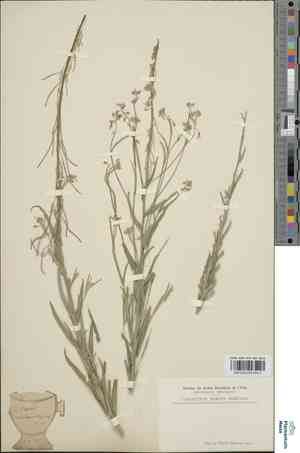
Known for its dainty, tiny blossoms and resilience in stony habitats, canada rockcress thrives with trimming in early spring and mid-summer to foster robust development and boost flowering. Eliminate withered or compromised stalks to enhance air movement and deter ailments. Gently snip after blooming to sculpt the plant and stimulate more energetic sprouts. Consistent trimming aids in preserving dimensions and structure, guaranteeing strong well-being and extended vigor. Verified against professional gardening manuals for accurate maintenance advice.
What Are the Benefits of Pruning Canada Rockcress?
What Are the Benefits of Pruning Canada Rockcress?
Canada rockcress thrives with trimming, promoting vigorous growth and maintaining its ideal form. Pruning also helps manage its size, supports healthy development, boosts pest and disease resistance, and enhances its visual appeal.
What Is the Best Time for Pruning Canada Rockcress?
What Is the Best Time for Pruning Canada Rockcress?
Spring and early Summer are optimal for trimming canada rockcress as it's a period of active development. Pruning at these times encourages robust growth and shapes the plant before its blooming phase, ensuring strong and abundant flowers. Additionally, it allows for the removal of any dead or diseased sections that could impede the plant's overall health and vitality. Late Summer pruning can help prepare canada rockcress for the upcoming dormant season by reducing its size and preventing potential winter damage.
What Tools Do I Need to Prune Canada Rockcress?
Bypass Pruners
Bypass pruners are perfect for making clean cuts on soft stems and small branches, which is crucial for maintaining the overall health and structure of canada rockcress.
Precision Hand Pruners
Precision hand pruners are excellent for detailed work, enabling gardeners to carefully trim smaller stems and delicate parts of canada rockcress without causing harm.
Pruning Shears
Pruning shears are useful for more significant cuts and shaping the overall form of canada rockcress, especially when dealing with slightly thicker stems.
Pruning Scissors
Pruning scissors offer greater control for intricate trimming tasks, making them suitable for preserving the tidy appearance of canada rockcress.
How to Prune Canada Rockcress
Inspect
Thoroughly examine canada rockcress for any indications of diseased, withered, or damaged leaves and stems. Pay close attention to any discolored areas or sections that appear unhealthy.
Trim Diseased Leaves
Using sanitized pruning shears, carefully remove any diseased leaves. Make clean cuts close to the main plant structure, ensuring not to harm the healthy tissues surrounding the affected parts.
Trim Withered Leaves
Next, cut away any withered or dead leaves. Snip at the base of the leaf stalk where it connects to the main stem, removing them completely to stimulate new growth.
Trim Diseased Stems
Identify and prune any diseased stems by cutting them back to a healthy portion of the plant. Ensure the cut is made just above a node or a set of healthy leaves to encourage regrowth.
Dispose
Discard the trimmed diseased and withered plant material by placing it in a bag and removing it from the garden area to prevent the spread of illness.
Common Pruning Mistakes with Canada Rockcress
Over-pruning
Cutting back too much of the plant can cause stress and impede its growth. For canada rockcress, only a modest amount should be pruned to ensure it retains sufficient foliage to thrive.
Incorrect technique
Using dull or unsuitable tools can result in jagged cuts that lead to infection or disease. Always use sharp, clean pruning shears for a precise cut.
Pruning at the wrong time
Trimming during inappropriate periods can disrupt the plant's natural growth cycle and flowering process. Timing is vital to ensure the plant can recover and flourish.
Improper removal of foliage
Removing too many healthy leaves and stems can diminish the plant's ability to photosynthesize, leading to weaker growth. Be selective and precise about which parts to prune.
Common Pruning Tips for Canada Rockcress
Use sharp tools
Always ensure your pruning shears are sharp and clean to make precise cuts and prevent disease.
Remove dead or diseased parts first
Begin by cutting away any dead, damaged, or diseased branches and leaves. This helps prevent the spread of infections and promotes healthier growth.
Cut at an angle
When making cuts, do so at a slight angle away from buds. This minimizes the risk of water damage and encourages healthy new growth.
Focus on shaping and promoting airflow
Prune to shape the plant and improve air circulation within its foliage. This reduces the risk of fungal diseases and pests.
Moderate pruning
Avoid heavy pruning. Remove only what is necessary to maintain the plant's health and shape, as over-pruning can lead to reduced growth and flower production.



