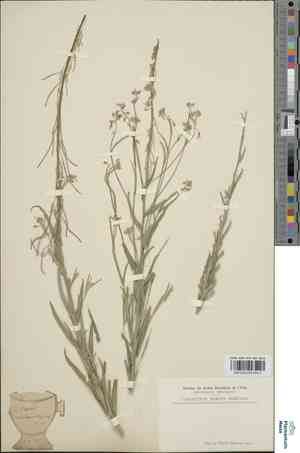
Canada rockcress (Boechera canadensis)
Also known as: Canadian Rockcress
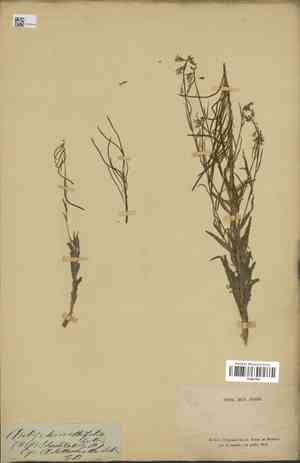
Canada rockcress is a perennial herb indigenous to North America, recognized for its slender, tall stems and clusters of small white flowers with four petals. This plant thrives in rocky terrains and woodland areas. Its bluish-green leaves and the potential to grow up to two feet tall characterize its appearance. The plant features narrow, upright seedpods known as siliques, which disperse seeds, aiding in its survival and propagation.
In This Article
Attributes of Canada rockcress
Lifespan
Biennial
Plant Type
Herb
Plant Height
30 cm to 91 cm
Spread
10-30 cm (4-12 inches)
Leaf Color
Green
Flower Size
0.5 cm (0.2 inches)
Flower Color
White
Images of Canada rockcress
Quickly Identify Canada rockcress
1
The plant can be identified by its rosette of basal leaves and thin, erect stems that bear small white to pale yellow flowers. The leaves are usually lance-shaped and toothed.
Scientific Classification of Canada rockcress
Phylum
Vascular plants
Class
Dicotyledons
Order
Brassicales
Family
Cruciferae
Genus
rockcress
Species
Canada rockcress
Planting and Growing of Canada rockcress
Care Difficulty
Moderate
Watering Schedule
Every 2 days
Sunlight Requirements
Partial sun
Sunshine Duration
6-10 hours
Ideal Temperature
68-77℉
Soil Type
Potting Mix, Peat Mix
Soil pH
6.5-7.5
Fertilizer Type
Balanced
Pruning Season
Spring, Summer
Pruning Area
Branches, Leaves
Pruning Frequency
2 times a year
Repotting Season
Spring
Pot Type
Plastic, Ceramic
 How to Water Canada rockcress?
For Boechera canadensis, water it with about 250 ml each time. The goal is to ensure the soil is moderately moist without becoming waterlogged. Water it until the water begins to seep out of the drainage holes in the pot. This indicates that the soil is thoroughly moistened, reaching all the plant's roots.
What are the symptoms of an underwatered Canada rockcress?
›
What should I do if my Canada rockcress is not getting enough water?
›
What are the symptoms of an overwatered Canada rockcress?
›
How to save an overwatered Canada rockcress?
›
 What Are the Sunlight Requirements for Canada rockcress?
Boechera canadensis thrives best under partial sun, where it can enjoy diffused sunlight. This exposure strengthens its growth and prevents heat stress damage.
Best Time for Light
›
Managing Light in Different Seasons
›
Indoor Light Management
›
 What Is the Ideal Temperature Range for Canada rockcress?
The ideal temperature range for Boechera canadensis is between 68°F and 77°F. This range provides optimal conditions for photosynthesis, nutrient absorption, and growth. Maintaining this range helps to ensure robust plant development and maximum flowering potential.
 What Soil is Best for Canada rockcress?
Boechera canadensis thrives in well-draining soil, which prevents waterlogging and root rot. This type of soil ensures that the plant's roots receive adequate air while avoiding excessive moisture retention, crucial for maintaining plant health. This plant prefers soils with moderate nutrient levels, allowing it to grow steadily without suffering from nutrient burn or deficiency. Balanced nutrients support the plant's physiological processes, leading to robust growth and vibrant foliage. A pH range between 6.5 and 7.5 is ideal for Boechera canadensis, facilitating optimal nutrient availability. This ensures that essential elements are readily absorbed, promoting vigorous plant development and flowering potential.
 How to Fertilize Canada rockcress?
Boechera canadensis prefers a balanced and gentle fertilization regimen. A liquid fertilizer solution should be diluted to half strength, applying about 1/4 to 1/2 gallon per plant each month during the growing season. Use a slow-release granular fertilizer sparingly, about 1 to 2 tablespoons per plant in early spring and mid-summer.
 How to Prune Canada rockcress?
Begin by inspecting the plant to identify any dead or damaged leaves and stems. These parts will typically appear brown or black and may feel dry or brittle. Removing these encourages the plant to direct energy towards healthy growth. Make your cuts at a 45-degree angle just above a node or a leaf bud. This angle promotes quicker healing and helps guide new growth in the optimal direction, reducing the potential for unwanted growth patterns. Shape the plant by removing any awkward or crossing branches. This helps maintain an open structure, allows sunlight to reach the inner parts of the plant, and supports an overall balanced appearance.
More About Pruning Techniques→
 How to Propagate Canada rockcress plant?
1
Collect seeds from mature Boechera canadensis plants and clean them to remove any pulp. Stratify the seeds by keeping them in a refrigerator for at least four weeks to break dormancy and increase germination rates.
2
Select a healthy, non-flowering stem and make a clean cut below a node. Remove the lower leaves and dip the cut end into rooting hormone to enhance root development when planted.
3
Dig up a mature plant ensuring to capture as many roots as possible. Gently separate the root ball into smaller sections ensuring each has roots and shoots, then replant them in a similar environment.
 How to Repot Canada rockcress plant?
1
Boechera canadensis should be repotted when you notice it becoming root-bound, with roots growing out of the pot’s drainage holes, or when it shows signs of stunted growth. Typically, the best times to repot are during the active growing periods of spring or autumn, avoiding high stress times like extreme summer heat or winter dormancy.
2
Choose a pot with adequate drainage capabilities. A pot that is a couple of inches larger in diameter than the current one is ideal as it provides enough room for root expansion while preventing excess soil that could retain water and cause root rot. Go for materials like terracotta which help in regulating soil moisture.
3
Opt for a well-draining sandy loam mix to mimic its natural habitat. This ensures good aeration for the roots and prevents waterlogging. A mixture containing perlite or sand is recommended for maintaining the right level of moisture without suffocating the roots, promoting healthy plant growth.
Learn More About Canada rockcress Diseases
Anthracnose
Bacterial Leaf Spot
Clubroot
Crown Gall
Cyst Nematode
Damping-off
Downy Mildew
Fusarium Wilt
Gray Mold
Leaf Spot
Mosaic
Powdery Mildew
Root Rot
Root-knot Nematode
Rusts
White Mold
Chemical Injury
Drought Stress
Nutrient Deficiency
Nutrient Toxicity
Temperature Stress
Spider Mites
Thrips Damage



