How to Prune Parrot-weed?
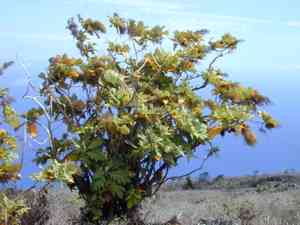
This substantial bush or compact tree, recognized for its groupings of golden blossoms and silvery-green leaves, flourishes with proper trimming. For parrot-weed, eliminate deceased or ailing limbs during its winter resting period to foster robust development and structure. Reduce older stalks to enhance air movement. Trimming can also manage its dimensions and preserve an appealing shape. Performing pruning during the designated period lessens strain and optimizes flowering, thus guaranteeing the vigor of parrot-weed.
What Are the Benefits of Pruning Parrot-weed?
What Are the Benefits of Pruning Parrot-weed?
Trimming parrot-weed promotes robust development and helps maintain its desired form. Regular cutting can also prevent excessive growth that might lead to poor air circulation, decreasing disease risk and fostering a strong structure.
What Is the Best Time for Pruning Parrot-weed?
What Is the Best Time for Pruning Parrot-weed?
Trimming parrot-weed during the winter season aligns with its dormant phase. This timing lessens plant stress and allows for healthy, vigorous growth in the subsequent season. By eliminating dead or unhealthy branches when the plant is not actively growing, it focuses its energy on new growth development in the spring. Winter pruning also minimizes the chance of disease transmission and pest infestations, as these are less active during colder months. Additionally, the plant's structure is more visible in winter, making it simpler to identify and execute precise pruning cuts.
What Tools Do I Need to Prune Parrot-weed?
Bypass Pruners
This tool is perfect for making clean cuts on parrot-weed's smaller stems, ensuring minimal harm to the plant tissue. Suitable for stems up to 3/4 inches in diameter.
Loppers
Loppers offer the extra leverage required for cutting through parrot-weed's thicker branches, typically those between 1 1/2 to 2 inches thick, without straining the gardener.
Pruning Saw
For parrot-weed's larger branches exceeding 2 inches in diameter, a pruning saw allows for cutting precision and aids in managing the plant's size and shape.
Pole Pruner
Parrot-weed can reach considerable heights, so a pole pruner might be necessary to safely trim higher branches without using a ladder.
Hand Shears
For shaping parrot-weed and trimming smaller shoots and leaves, hand shears provide accuracy and control.
How to Prune Parrot-weed
Disinfect
Before trimming parrot-weed, clean and sanitize pruning tools with a bleach or alcohol solution to prevent disease spread.
Identify
Examine parrot-weed closely to pinpoint dead and diseased branches, which may appear dry, brown, and possibly with fungal growth or irregular textures.
Remove dead branches
Using sharp shears, cut dead branches where they meet healthy wood. Make cuts at a 45-degree angle to allow water to drain and promote healing.
Remove diseased branches
Cut diseased branches several inches into healthy tissue to ensure all infected material is gone. Seal cuts on parrot-weed with pruning sealer to protect against pathogens.
Cleanup
After trimming parrot-weed, gather and dispose of all removed branches to prevent disease or pest spread, and clean tools thoroughly again.
Common Pruning Mistakes with Parrot-weed
Overpruning
Removing too much foliage at once can shock parrot-weed, leading to stunted growth or increased susceptibility to diseases.
Using dull tools
Dull pruning tools can cause jagged cuts, which may harm parrot-weed by creating entry points for pests and diseases.
Improper cut location
Cutting too close to the main stem or leaving a large stub can prevent parrot-weed from healing correctly and encourage disease entry.
Tearing bark
When removing larger branches, carelessly allowing them to fall can tear the bark and damage parrot-weed's vascular system.
Ignoring diseased limbs
Failing to remove diseased or damaged limbs can allow infections to spread throughout parrot-weed.
Pruning healthy growth
Unnecessarily cutting back healthy growth can reduce the overall vigor and blooms of parrot-weed.
Common Pruning Tips for Parrot-weed
Sharp clean tools
Use sharp and sterilized pruning tools for clean, healthy cuts on parrot-weed, reducing disease risk.
Angled cuts
Make angled cuts just above leaf nodes to prevent water accumulation and facilitate quick healing for parrot-weed.
Gradual pruning
Gradually prune parrot-weed over time, targeting older, overgrown, or unhealthy stems to preserve the plant's structure and health.
Thinning out
Thin out crowded areas to improve air circulation and light penetration, which is essential for parrot-weed's growth and flowering.
Maintaining shape
Prune to maintain the natural shape of parrot-weed, enhancing its aesthetic appeal without compromising its growth.
Identifying damaged limbs
Regularly inspect and promptly remove any damaged or diseased limbs to protect the overall health of parrot-weed.
Post pruning care
After pruning parrot-weed, provide adequate water and potentially light fertilizer to support recovery and regrowth.



