How to Prune Purple-stem beggarticks?
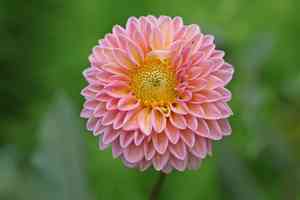
A perennial that thrives in damp conditions, purple-stem beggarticks, recognized by its unique purple stalks, benefits from trimming to encourage development and avert excessive density. Perform pruning in the spring to eliminate deceased leaves or in the autumn to control its dimensions and form. Throughout the summer, remove faded flowers to encourage ongoing blossoming. Trimming also contributes to the plant's well-being by improving air movement and lowering the chance of illness. Execute pruning with sanitized, sharp implements for optimal outcomes.
What Are the Benefits of Pruning Purple-stem Beggarticks?
What Are the Benefits of Pruning Purple-stem Beggarticks?
Trimming purple-stem beggarticks encourages robust development and maintains its desired form, boosting both vitality and visual appeal. Strategic cuts enhance light penetration and air circulation, crucial for strong growth and reduced disease risk.
What Is the Best Time for Pruning Purple-stem Beggarticks?
What Is the Best Time for Pruning Purple-stem Beggarticks?
Pruning purple-stem beggarticks in late spring aligns with the post-frost growth period, allowing the plant to recover and produce new growth throughout the summer. Summer pruning is beneficial for shaping the plant, controlling its size, and removing any diseased or dead tissues. Performing pruning during the summer also coincides with purple-stem beggarticks's active growth phase, which supports quick healing of cuts and minimal stress on the plant. Early fall pruning, before the onset of cold weather, allows purple-stem beggarticks to prepare for dormancy while ensuring that pruning does not stimulate new growth that would be vulnerable to frost damage. These seasons ensure the healthy development of purple-stem beggarticks, promoting robust flowering in the following seasons while maintaining plant vigour and preventing potential disease spread.
What Tools Do I Need to Prune Purple-stem Beggarticks?
Bypass Pruners
These are ideal for making clean cuts on purple-stem beggarticks's stems without crushing them. Bypass Pruners closely resemble scissors and are better for live plants, ensuring healthy regrowth.
Snips
Small, precise tools like snips are great for deadheading purple-stem beggarticks or cutting off tiny, unwanted shoots. Since purple-stem beggarticks may have delicate stems, snips provide the accuracy needed without causing damage to the plant.
Gloves
While not a cutting tool, gloves are essential when pruning purple-stem beggarticks to protect the gardener's hands from potential skin irritants or sharp edges on the plant.
How to Prune Purple-stem Beggarticks
Disinfect
Clean and disinfect pruning tools before starting to prune purple-stem beggarticks to prevent the spread of diseases.
Identify
Identify withered leaves on purple-stem beggarticks by looking for parts of the plant that appear brown, dry, and lifeless.
Cut
Carefully cut off the withered leaves from purple-stem beggarticks at the base where they connect to the stem, using sharp pruning shears for a clean cut.
Dispose
Remove and properly dispose of the withered leaves to reduce the chance of disease and pests affecting purple-stem beggarticks.
Inspect
After pruning, inspect purple-stem beggarticks for any signs of pests or diseases as a preventative measure for future growth.
Common Pruning Mistakes with Purple-stem Beggarticks
Overpruning
Removing too much foliage from purple-stem beggarticks can shock the plant, leading to reduced vigor and diminished health.
Improper Cuts
Making cuts that are either too close to the main stem or leaving too much of a stub can result in poor healing and can invite disease.
Pruning Healthy Growth
Unnecessarily cutting away healthy branches and leaves can hinder purple-stem beggarticks's ability to photosynthesize and grow effectively.
Ignoring Deadheads
Failing to remove spent flowers can prevent purple-stem beggarticks from producing new blooms, as it may direct energy into seed production.
Disregarding Plant Shape
Not considering the natural form of purple-stem beggarticks when pruning can lead to an unattractive or unbalanced plant shape.
Using Dull Tools
Utilizing tools that are not sharp can cause jagged or incomplete cuts, leading to damage and possible infection in purple-stem beggarticks.
Inattentive to Disease
Cutting without noticing diseased portions can inadvertently spread pathogens if the same tools are used on healthy parts of the plant.
Common Pruning Tips for Purple-stem Beggarticks
Selective Pruning
Focus on removing only dead or damaged foliage and spent flowers to encourage purple-stem beggarticks to direct energy toward healthy growth and blooming.
Clean Cuts
Make clean, angled cuts on stems to promote efficient healing and to reduce the risk of disease in purple-stem beggarticks.
Tool Hygiene
Sterilize pruning tools before and after use on purple-stem beggarticks to prevent the spread of disease between plants.
Conservative Approach
Start with minimal removal and assess plant health, only removing more from purple-stem beggarticks if necessary and without compromising plant health.
Monitor Growth
Regularly check purple-stem beggarticks for signs of overcrowding, which can be alleviated through light thinning to improve air circulation and light penetration.
Shape Maintenance
Prune purple-stem beggarticks to maintain its natural shape, promoting an aesthetically pleasing appearance and healthy growth pattern.
Wound Care
After making cuts on purple-stem beggarticks, if necessary, apply a natural sealant like aloe vera to protect against infections and pests.



