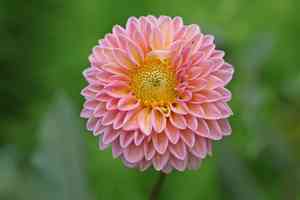
Purple-stem beggarticks (Bidens connata)
Also known as: Beggar ticks
Purple-stem beggarticks (Bidens connata), belonging to the daisy family, are widespread across North America, Eurasia, and North Africa. They favor wet, muddy soils typically found in marshes, riverbanks, and other wetlands. In the fall, the leaves often develop a purple hue. The plant's barbed seeds cling to fur and clothing, aiding in their distribution.
In This Article
Attributes of Purple-stem beggarticks
Lifespan
Annual
Plant Type
Herb
Plant Height
20 cm to 2 m
Spread
30 cm
Leaf Color
Green
Flower Size
2.5 cm to 5 cm
Flower Color
Yellow Brown Orange
Images of Purple-stem beggarticks
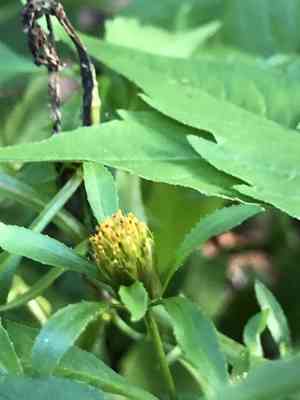
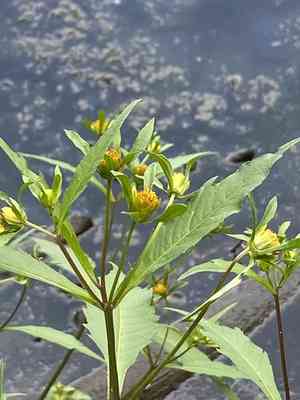
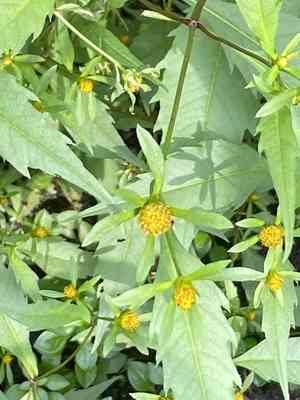
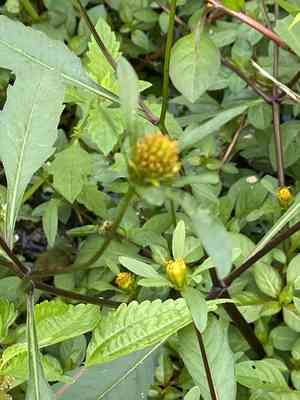
Quickly Identify Purple-stem beggarticks
1
Bidens connata can be identified by its opposite, serrated leaves and small yellow flowers with ray and disc florets. The seeds have barbed bristles that stick to clothing and fur.
Scientific Classification of Purple-stem beggarticks
Phylum
Vascular plants
Class
Dicotyledons
Order
Asterales
Family
Daisy
Genus
Beggarticks
Species
Purple-stem beggarticks
Planting and Growing of Purple-stem beggarticks
Care Difficulty
Easy
Watering Schedule
Every 4 days
Sunlight Requirements
Partial sun
Sunshine Duration
4-6 hours
Ideal Temperature
68-77℉
Soil Type
Potting Mix, Peat Mix
Soil pH
6.5-7.5
Fertilizer Type
Balanced
Pruning Season
Spring, Summer
Pruning Area
Branches, Leaves
Pruning Frequency
2 times a year
Repotting Season
Spring
Pot Type
Plastic, Ceramic
 How to Water Purple-stem beggarticks?
For Bidens connata, the watering amount is crucial. Ensure the soil is consistently moist but not waterlogged. When watering, aim for 250 ml per session, which allows the soil to retain moisture without becoming saturated. The goal is to mimic its natural habitat, promoting vibrant growth.
What are the symptoms of an underwatered Purple-stem beggarticks?
›
What should I do if my Purple-stem beggarticks is not getting enough water?
›
What are the symptoms of an overwatered Purple-stem beggarticks?
›
How to save an overwatered Purple-stem beggarticks?
›
 What Are the Sunlight Requirements for Purple-stem beggarticks?
Bidens connata performs best under partial to full sunlight, receiving 4-6 hours of light. Ideal sunlight promotes vigorous growth, lush foliage, and abundant flowering, essential for robust health.
More About Sunlight Requirements Techniques→
What type of sunlight does Bidens connata prefer?
›
How can I ensure Bidens connata gets ideal light conditions?
›
What are the benefits of providing ideal lighting for Bidens connata?
›
 What Is the Ideal Temperature Range for Purple-stem beggarticks?
The optimal temperature range for Bidens connata, commonly known as swamp beggar-ticks, is between 68°F and 77°F. This range ensures that the plant can maintain efficient photosynthesis, growth, and overall health. Consistent temperatures within this zone also help in reducing stress and promoting robust flowering cycles.
 What Soil is Best for Purple-stem beggarticks?
Bidens connata thrives in well-drained soils that prevent water stagnation and root rot. Ensuring proper drainage in the soil enhances oxygen availability to the roots and promotes healthy plant growth. This plant prefers soils rich in nutrients to support vigorous growth. Incorporating organic matter into the soil improves its fertility, providing essential nutrients for lush foliage and vibrant blooms. Consistent soil moisture is key for Bidens connata, as it prefers neither too dry nor too waterlogged conditions. Balancing soil moisture ensures steady growth and prevents stress-related issues.
 How to Fertilize Purple-stem beggarticks?
Bidens connata, also known as purplestem beggarticks, responds well to moderate amounts of fertilizer. For liquid fertilizers, use approximately 1/4 teaspoon per gallon of water, ensuring uniform distribution across the plant's base. Solid slow-release fertilizers can be applied at a rate of 2 pounds per 100 square feet. This allows the plant to receive consistent nutrients over time, promoting healthy stem and leaf growth.
 How to Prune Purple-stem beggarticks?
Sharpen your pruning shears well before you start, ensuring clean cuts that do not damage the plant. Disinfect your tools with alcohol to prevent any possibility of disease transmission. Look for stems that appear dead or overly long and leggy. Start by cutting these back to encourage new growth. Ensure your cuts are made at an angle to promote proper healing. Trim the plant to your desired shape, focusing on creating a bushy appearance. This method will ensure better air circulation and sunlight penetration, vital for healthy growth. After pruning, collect all cut material and dispose of it properly. This step prevents any possible pests or diseases from lingering around your garden.
More About Pruning Techniques→
 How to Propagate Purple-stem beggarticks plant?
1
Begin by filling the seed tray with well-draining potting soil, leaving some space at the top. Lightly dampen the soil with water to create a moist environment suitable for seed germination.
2
Sprinkle Bidens connata seeds evenly across the surface of the soil. Cover the seeds lightly with a thin layer of soil to protect them without restricting access to light and air.
3
Place the seed tray in a warm, well-lit area. Maintain a consistent moisture level by misting the soil regularly. Avoid overwatering to prevent fungal growth and seed decay.
 How to Repot Purple-stem beggarticks plant?
1
Look for signs like roots protruding from drainage holes, soil drying out rapidly, or slow plant growth. These indicate the plant is becoming root-bound or the soil is depleted, signaling it's time to repot.
2
Select a pot that is one or two sizes larger than the current one. Ensure it has ample drainage holes to promote proper water flow and prevent root rot, allowing the plant to thrive in its new environment.
3
Opt for a well-draining loamy soil mix. This kind of soil provides adequate nutrients and excellent drainage, preventing the roots from sitting in water and ensuring healthy growth.
Learn More About Purple-stem beggarticks Diseases
Anthracnose
Bacterial Leaf Spot
Bacterial Soft Rot
Bacterial Wilt
Chemical Injury
Damping-off
Downy Mildew
Drought Stress
Fusarium Wilt
Gray Mold
Leaf Spot
Mosaic
Nutrient Deficiency
Nutrient Toxicity
Powdery Mildew
Root Rot
Root-knot Nematode
Rusts
Sooty Mold
Spider Mites
Temperature Stress
Thrips Damage
White Mold



