How to Prune Downy birch?
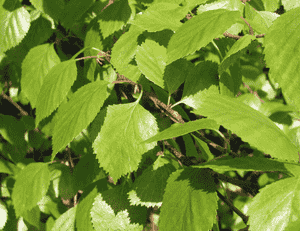
The downy birch, a deciduous tree recognized by its exfoliating bark and delicate, pubescent foliage, flourishes in damp ground. Perform pruning in late winter or early spring to prevent the outflow of sap. Essential pruning methods involve reducing dense branches and eliminating deceased or ailing wood to foster robust development. For young trees, prune to sculpt the crown, and for established trees, preserve their structural soundness. Pruning improves the ingress of light and the movement of air, which are crucial for the downy birch's vitality and hardiness.
What Are the Benefits of Pruning Downy Birch?
What Are the Benefits of Pruning Downy Birch?
Trimming downy birch encourages robust development and maintains its form. Strategic cuts improve light access and air circulation, fostering a strong framework. This practice keeps downy birch visually appealing and supports its natural shape.
What Is the Best Time for Pruning Downy Birch?
What Is the Best Time for Pruning Downy Birch?
The optimal period for trimming downy birch is late winter to early spring, just prior to the start of its growth phase. Pruning at this time minimizes sap loss, which can be more substantial in birches if cut during late spring or summer due to their elevated sap flow. This timing also allows wounds to mend rapidly as new growth commences, lowering the risk of infection or illness. Furthermore, the plant's structure is more visible without leaves, aiding in more precise cuts. Avoid pruning in late spring or summer to prevent excessive sap bleeding, which can weaken downy birch.
What Tools Do I Need to Prune Downy Birch?
Hand Pruners
For making accurate cuts on downy birch's smaller branches and for routine trimming tasks. Best for branches up to ¾ inches in diameter.
Loppers
Useful for reaching higher into downy birch's canopy and cutting slightly thicker branches, typically up to 1 ½â2 inches thick.
Pruning Saw
Essential for cutting through downy birch's larger branches that are too thick for hand pruners and loppers.
Pole Pruner
Allows for trimming branches higher up in downy birch's structure without needing a ladder, making it safer and more convenient.
Hedge Shears
Suitable for shaping downy birch's hedges or for creating a formal look, though generally not used for major structural pruning.
Pruning Gloves
To protect the gardener's hands from cuts and scratches while working on downy birch.
Safety Glasses
For protecting the eyes from debris when cutting overhead branches of downy birch.
Pruning Stool or Ladder
For reaching the higher branches of downy birch, ensuring safety and comfort during the process.
How to Prune Downy Birch
Clean Tools
Sanitize pruning tools before starting to prevent the spread of disease to downy birch.
Identify
Examine downy birch for dead or diseased branches, which often appear discolored, feel brittle, or show signs of fungal growth.
Cutting Angle
Make clean cuts at a 45-degree angle just above a lateral branch or bud to encourage healthy growth and prevent water accumulation that can lead to decay.
Remove Dead
Carefully remove all dead branches by cutting them back to the point of origin or to the nearest healthy branch without leaving stubs.
Disinfect Wounds
After removing the affected branches, apply a wound sealant designed for trees to any large cuts to protect downy birch from infections.
Common Pruning Mistakes with Downy Birch
Over-Pruning
Removing too much foliage or too many branches from downy birch in a single session can stress the plant and hinder its growth or vitality. This can lead to a weakened structure and possible health issues for the plant.
Improper Cuts
Making cuts that are too close to the bud, leaving stubs, or tearing the bark can create entry points for pests and diseases in downy birch, hampering its ability to heal properly.
Using Unclean Tools
Not sterilizing pruning tools before and after use on downy birch can spread disease between plants, affecting overall health and growth.
Ignoring Weak Or Diseased Limbs
Failing to remove dead, diseased, or damaged limbs from downy birch can lead to further decline in plant health as these can be a vector for disease or pest infestation.
Neglecting Tools
Using blunt tools to prune downy birch can result in uneven, jagged cuts that are harmful to the plant and do not heal as efficiently or quickly.
Common Pruning Tips for Downy Birch
Selective Pruning
Remove only the necessary limbs from downy birch to shape the tree and remove any unhealthy wood. This encourages airflow and light penetration, which is beneficial for the tree's health.
Correct Cuts
When making cuts on downy birch, ensure they are at a 45-degree angle away from the bud to promote proper healing and to prevent water damage to the bud.
Sterile Techniques
Always clean and disinfect pruning tools before and after use on downy birch to prevent the spread of disease. Use a solution of bleach or alcohol to sterilize.
Maintenance Pruning
Regularly inspect downy birch and trim away any dead or diseased branches. This habit not only maintains the treeâs appearance but also promotes its overall health.
Tool Maintenance
Keep pruning tools sharp to make clean, smooth cuts on downy birch. This will facilitate quicker healing for cuts and reduce stress on the tree during pruning.



