How to Prune Yerba de pasmo?
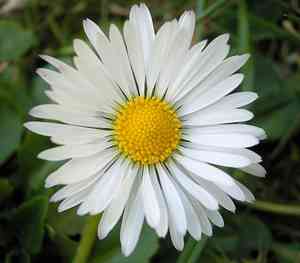
This resilient bush flourishes in dry environments, distinguished by its woody stalks and spear-shaped foliage. Trim yerba de pasmo in the initial part of spring, prior to the emergence of fresh shoots. Eliminate any deceased or impaired branches to foster more robust leaves and enhance air movement. Sculpt the plant by shortening excessively long branches, facilitating a denser structure. Consistent trimming boosts blooming and stops the plant from developing an overly woody texture. Verify that implements are sanitized to avert the dissemination of illnesses. Refer to regional gardening directives for specific methods.
What Are the Benefits of Pruning Yerba De Pasmo?
What Are the Benefits of Pruning Yerba De Pasmo?
Pruning yerba de pasmo offers several advantages, including fostering robust development, encouraging vigorous growth, maintaining its form, enhancing pest and disease resistance, and improving its overall look.
What Is the Best Time for Pruning Yerba De Pasmo?
What Is the Best Time for Pruning Yerba De Pasmo?
Trimming yerba de pasmo in early spring is ideal as it aligns with its natural growth pattern. During this period, yerba de pasmo is emerging from dormancy and entering a strong growth phase, allowing for faster recovery and healthy new development. Furthermore, pruning before the growing season begins helps eliminate winter damage and shapes the plant before it expends energy on new shoots and flowers. Ensuring pruning occurs before significant new growth minimizes plant stress, promoting its overall health and vitality.
What Tools Do I Need to Prune Yerba De Pasmo?
Bypass Pruners
These are crucial for making precise cuts on smaller branches and stems of yerba de pasmo. Their sharp, scissor-like blades help minimize plant damage.
Loppers
Perfect for cutting thicker stems and branches that are too large for bypass pruners. They offer increased leverage for cleaner cuts.
Pruning Saw
Useful for removing any large, woody stems or branches of yerba de pasmo that cannot be cut with loppers. A sharp pruning saw ensures smooth, clean cuts.
Hand Shears
Excellent for trimming smaller, delicate parts of yerba de pasmo, ensuring minimal harm and precise shaping of the plant.
Gloves
Protect hands while pruning yerba de pasmo from thorny or sharp edges, and prevent blisters during extended pruning sessions.
How to Prune Yerba De Pasmo
Inspection
Start by examining yerba de pasmo for any indications of diseased leaves, withered leaves, dead branches, and diseased branches. This initial assessment helps pinpoint the specific areas requiring attention.
Tools Sterilization
Sanitize pruning tools (such as shears and loppers) with a solution of one part bleach to nine parts water before making any cuts, to prevent disease transmission.
Remove Diseased Leaves
Carefully remove all diseased leaves by cutting them at the base, ensuring not to harm healthy parts of the plant. Dispose of the diseased material far from the garden to avoid contamination.
Remove Withered Leaves and Dead Branches
Cut away withered leaves and dead branches using sharp, sterilized pruning shears. Make sure to trim back to just above a healthy bud or lateral branch to encourage healthy growth.
Remove Diseased Branches
Identify and remove any branches showing signs of disease. Cut these branches back to a point just above a healthy node or intersection with the main stem, ensuring the cuts are clean and smooth to promote rapid healing.
Common Pruning Mistakes with Yerba De Pasmo
Incorrect technique
Using dull or unsuitable tools can harm the plant's stems. Always ensure your pruners are sharp and sterilized.
Over-pruning
Removing too much foliage can stress the plant and reduce its ability to photosynthesize, weakening its overall health.
Improper cuts
Making jagged or uneven cuts can leave the plant vulnerable to disease and pests. Clean, angled cuts are crucial for plant health.
Pruning at the wrong time
Pruning during the wrong period can hinder the plant's blooming cycle and growth. Only prune at the recommended times for optimal results.
Neglecting to prune
Not pruning at all can lead to overgrown and tangled branches, which can suffocate the plant and reduce airflow, increasing the risk of disease.
Common Pruning Tips for Yerba De Pasmo
Selective pruning
Prioritize removing dead, damaged, or diseased wood first. This ensures the plant's energy is directed towards healthy growth.
Shaping
Prune to maintain a natural form, avoiding the creation of harsh lines that can detract from the plant's aesthetic. Always step back and assess the plant frequently during pruning.
Fertilizing post-pruning
After pruning, consider applying a balanced fertilizer to support new growth and overall plant health.
Sterilizing tools
Always sterilize your pruning tools before and after use to prevent the spread of disease. A mixture of one part bleach to nine parts water is effective for sterilization.
Water management
Ensure that yerba de pasmo receives adequate water after pruning, as the plant may be more vulnerable to stress during this period. Avoid over-watering, which can encourage root rot.



