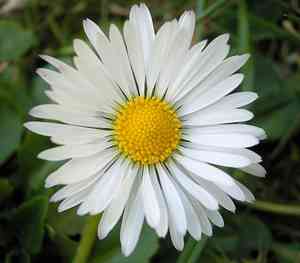
Yerba de pasmo (Baccharis pteronioides)
Also known as: Baccharis pteronioides var. angustior
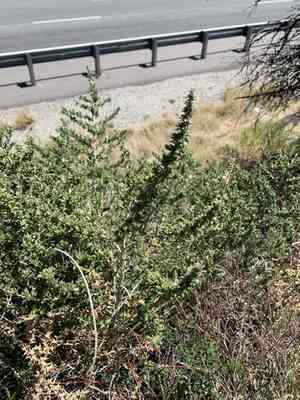
Yerba de pasmo (Baccharis pteronioides) is a resilient shrub found in the arid regions of the southwestern United States. It typically grows between 1 to 3 feet in height and exhibits slender, woody stems adorned with small, linear leaves. The shrub thrives under full sun and is well-adapted to sandy or rocky soils with good drainage. It requires minimal water once established, showcasing its drought tolerance. During late summer, it produces clusters of small, white to yellowish flowers at the branch tips, which attract local pollinators. This hardy plant is well-suited for xeriscaping and erosion control in harsh environments.
In This Article
Attributes of Yerba de pasmo
Lifespan
Perennial
Plant Type
Shrub
Plant Height
1 to 2 meters
Spread
1 to 1.5 meters
Leaf Color
Green
Flower Size
0.2 to 0.5 cm
Flower Color
White to yellowish
Images of Yerba de pasmo
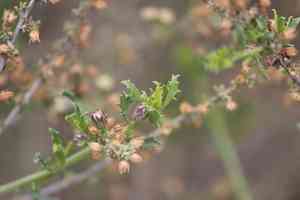
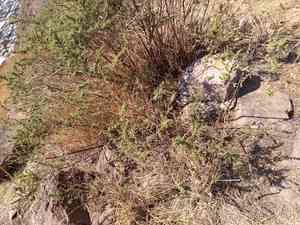
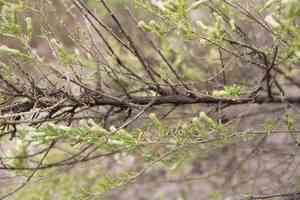
Quickly Identify Yerba de pasmo
1
This plant can be identified by its sticky, resinous foliage and clusters of small, white to yellowish flowers. The leaves are linear to narrowly oblong, and the plant often has a bushy appearance.
Scientific Classification of Yerba de pasmo
Phylum
Vascular plants
Class
Dicotyledons
Order
Asterales
Family
Daisy
Genus
Baccharises
Species
Yerba de pasmo
Planting and Growing of Yerba de pasmo
Care Difficulty
Moderate
Watering Schedule
Every 3 days
Sunlight Requirements
Full sun
Sunshine Duration
6-10 hours
Ideal Temperature
65-75℉
Soil Type
Potting Mix, Peat Mix
Soil pH
6.5-8
Fertilizer Type
Balanced
Pruning Season
Spring, Summer
Pruning Area
Branches, Leaves
Pruning Frequency
2 times a year
Repotting Season
Spring
Pot Type
Plastic, Ceramic
 How to Water Yerba de pasmo?
For Baccharis pteronioides, the watering principle is to ensure the soil is consistently moist but not waterlogged. Water thoroughly until you notice slight moisture at the drainage holes, approximately 500 ml per session. This method mimics its natural environment, providing just the right balance of moisture without risking root rot.
What are the symptoms of an underwatered Yerba de pasmo?
›
What should I do if my Yerba de pasmo is not getting enough water?
›
What are the symptoms of an overwatered Yerba de pasmo?
›
How to save an overwatered Yerba de pasmo?
›
 What Are the Sunlight Requirements for Yerba de pasmo?
Baccharis pteronioides ideally requires full sun to partial sun conditions, providing energy for vigorous growth and prolific blooming. This range fosters optimal photosynthesis, ensuring healthy foliage density and a robust structure.
How much direct sunlight does it need?
›
Can it tolerate partial shade?
›
What solutions can help achieve ideal lighting conditions?
›
 What Is the Ideal Temperature Range for Yerba de pasmo?
The ideal temperature range for Baccharis pteronioides is between 65°F and 75°F. This range allows the plant to thrive and perform its physiological processes efficiently. Maintaining temperatures within this range ensures optimal growth and health.
 What Soil is Best for Yerba de pasmo?
Baccharis pteronioides thrives in well-draining soils. Sandy and loam soils provide excellent drainage, preventing root rot and promoting healthy growth, ensuring the plant's roots can access oxygen and avoid excess moisture. While Baccharis pteronioides can survive in nutrient-poor conditions, soils enriched with organic material enhance growth. Nutrient-rich soils support robust foliage and increase the plant's resilience against pests and diseases. The plant prefers soils with loose structures like sandy loams. Such soils promote good root penetration, allowing the roots to spread easily and access nutrients and moisture efficiently, enhancing overall plant health.
 How to Fertilize Yerba de pasmo?
For Baccharis pteronioides, it is important to use a balanced fertilizer. When applying liquid fertilizers, a dilution ratio of 1:10 (fertilizer to water) is ideal, providing nutrients without overwhelming the plant's systems. Each session should aim to lightly cover the soil without soaking it.
 How to Prune Yerba de pasmo?
Before you start, ensure you have the necessary tools: sharp pruning shears, gloves, and a clean cloth. Sharp shears make clean cuts, promoting quick healing and preventing damage to the plant. Wearing gloves protects your hands from scratches and sap. Start by inspecting the plant for any dead, diseased, or damaged branches. These should be removed first to prevent the spread of disease and encourage the growth of healthy branches. Cut back to the point of healthy tissue, ensuring you make clean and angled cuts. Shape Baccharis pteronioides by selectively trimming back overgrown sections. Prune to maintain a pleasing, natural shape and to allow better air circulation through the branches. Avoid cutting back more than one-third of the plant at one time to reduce stress.
More About Pruning Techniques→
 How to Propagate Yerba de pasmo plant?
1
Begin by collecting seeds from mature Baccharis pteronioides plants. Clean the seeds carefully to remove any debris. Soak them in water for 24 hours to help break dormancy and improve germination rates.
2
Select healthy, disease-free stems from the parent plant. Cut segments 6-8 inches long, each with multiple nodes. Remove the leaves from the lower part of the cutting, leaving a few leaves on the top.
3
Insert the prepared cuttings into a well-draining soil mix, ensuring that at least one node is below the soil surface. Water the cuttings lightly and place them in a warm, bright area out of direct sunlight.
 How to Repot Yerba de pasmo plant?
1
Look for signs such as roots coming out of the drainage holes or the plant being root-bound. Early Spring or Autumn is ideal as the plant is less stressed and can establish in its new pot before extreme weather.
2
Select a pot that is 1-2 inches larger in diameter than the current one. Ensure it has proper drainage holes to prevent water from accumulating at the bottom, which helps avert root rot and ensures healthy plant growth.
3
Choose a well-draining loamy soil that lets excess water pass through quickly. This type of soil offers good aeration to the roots, preventing overwatering issues and supporting vigorous growth.
Learn More About Yerba de pasmo Diseases
Anthracnose
Bacterial Leaf Spot
Bacterial Wilt
Crown Gall
Cyst Nematode
Damping-off
Downy Mildew
Drought Stress
Fusarium Wilt
Gray Mold
Leaf Curl
Leaf Spot
Mosaic
Nutrient Deficiency
Nutrient Toxicity
Powdery Mildew
Root Rot
Root-knot Nematode
Rusts
Sooty Mold
Spider Mites
Temperature Stress
Thrips Damage
White Mold
Chemical Injury



