How to Prune Downy alpine oatgrass?
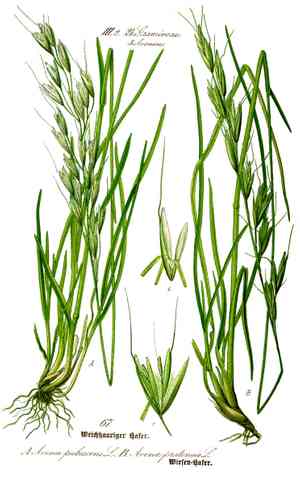
This enduring grass develops clumps of fuzzy leaves and elevated floral stalks. For downy alpine oatgrass, trimming in late winter or early spring is advantageous. Eliminate deceased foliage and cut back withered flower stems to preserve neatness and stimulate fresh development. Pruning guarantees that energy is channeled into robust shoots, boosting the plant's vitality and visual attractiveness. Always employ sharp cutting tools for precise incisions to avert harm and foster robust regeneration.
What Are the Benefits of Pruning Downy Alpine Oatgrass?
What Are the Benefits of Pruning Downy Alpine Oatgrass?
Trimming downy alpine oatgrass promotes robust development and helps maintain its form, ensuring a dense and appealing look. Regular cutting prevents excessive growth and fosters a healthier, stronger plant structure.
What Is the Best Time for Pruning Downy Alpine Oatgrass?
What Is the Best Time for Pruning Downy Alpine Oatgrass?
Trimming downy alpine oatgrass in late winter, just before the spring growth period begins, is advantageous because the plant is still dormant. This timing avoids unnecessary stress and allows the plant to focus energy on producing strong, new growth as temperatures rise. Additionally, pruning in early spring, after the last frost but before new growth emerges, enables gardeners to shape the plant and remove any dead or damaged foliage from winter. These periods are considered optimal as they allow downy alpine oatgrass to recover swiftly, ensuring better health and a more vigorous growing season where the plant can achieve its full ornamental potential without the drawbacks of recent cuts during active growth phases.
What Tools Do I Need to Prune Downy Alpine Oatgrass?
Hand Pruners
Perfect for shaping and trimming the leaves of downy alpine oatgrass. Their precise cutting ability lets you selectively remove dead or unwanted foliage without harming the rest of the plant.
Grass Shears
Effective for cutting back clumps of downy alpine oatgrass and keeping a neat shape. They can easily reach tight spots and provide a clean cut through the grass blades.
Scissors
Standard household scissors can be suitable for minor pruning tasks, such as trimming small, thin grass blades found in downy alpine oatgrass.
How to Prune Downy Alpine Oatgrass
Disinfect tools
Before starting to prune downy alpine oatgrass, ensure all pruning tools are clean and sanitized. This prevents the spread of diseases between plants.
Identify diseased leaves
Carefully inspect downy alpine oatgrass for any diseased leaves. Look for signs of discoloration, spots, or decay that indicate illness.
Remove diseased leaves
Using sharp pruning shears, carefully remove any diseased leaves from downy alpine oatgrass. Make clean cuts at the base of the affected leaves to avoid tearing.
Identify withered leaves
Locate withered or dead leaves on downy alpine oatgrass. These are typically dry, brown, and may be crumpled.
Trim withered leaves
Gently trim away the withered leaves from downy alpine oatgrass, cutting them at their base where they meet healthy tissue or the stem.
Common Pruning Mistakes with Downy Alpine Oatgrass
Over-pruning
Removing too much foliage from downy alpine oatgrass at once can stress the plant, leading to reduced vigor and potential dieback.
Improper Technique
Using dull or dirty tools can damage downy alpine oatgrass's stems, causing jagged cuts that are vulnerable to disease.
Tearing Stems
Pulling or tearing stems instead of cutting them cleanly can injure downy alpine oatgrass and hinder its natural growth pattern.
Pruning for Shape Alone
Cutting downy alpine oatgrass solely to achieve a desired shape without considering the health and natural form of the plant can lead to unsightly growth and reduced health.
Ignoring Dead Material
Failing to remove dead or diseased foliage can inhibit downy alpine oatgrass's growth and may spread pathogens to healthy parts of the plant.
Common Pruning Tips for Downy Alpine Oatgrass
Sharp Tools
Always use sharp, clean pruning tools to make clean cuts on downy alpine oatgrass that will heal quickly and be less prone to disease.
Cutting Angle
Cut at an angle away from the bud to encourage new growth in the desired direction and prevent water accumulation on the cut surface.
Selective Thinning
Thin downy alpine oatgrass's foliage selectively to improve air circulation and light penetration, which encourages healthy growth.
Identify Growth Points
Learn to identify the growth points of downy alpine oatgrass to prune without inhibiting its natural development and flowering capabilities.
Post-Bloom Pruning
Prune spent flowers to promote a tidy appearance and potentially encourage further blooming throughout the growing season.
Health Over Shape
Focus on removing only dead, damaged, or diseased parts of downy alpine oatgrass to maintain plant health before considering shaping.



