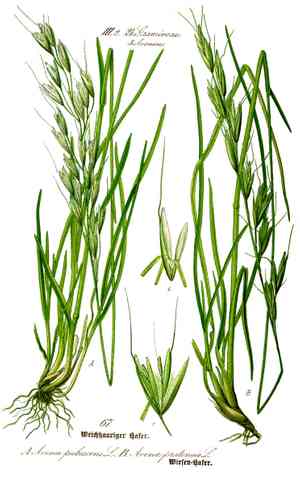
Downy alpine oatgrass (Avenula pubescens)
Also known as: Downy oat-grass
The downy alpine oatgrass, scientifically known as Avenula pubescens, is indigenous to regions in Europe, Asia, select areas in the United States, and certain Canadian provinces. Remarkably, this plant was identified on the shoes of a Neolithic man uncovered in 1991, who had been preserved in the Austrian Alps for 5,000 years.
In This Article
Attributes of Downy alpine oatgrass
Lifespan
Perennial
Plant Type
Grass
Plant Height
30 cm to 91 cm
Spread
Does not apply
Leaf Color
Green
Flower Size
Not applicable
Flower Color
Yellow Green Purple Brown
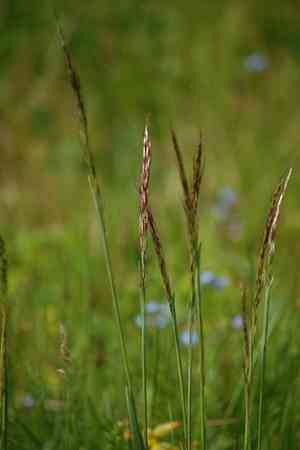
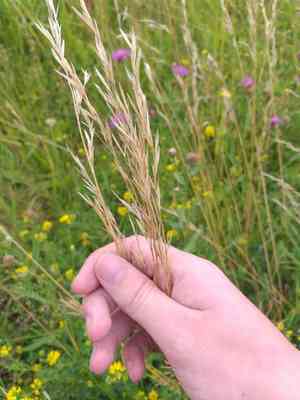
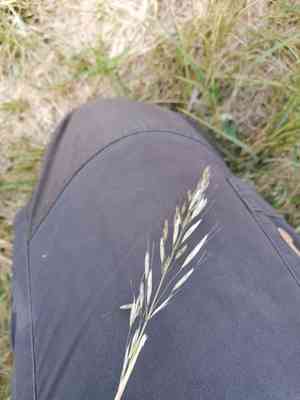
Images of Downy alpine oatgrass
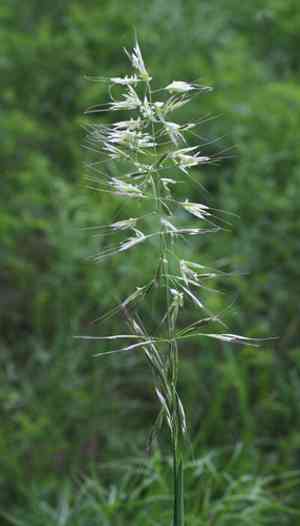
Quickly Identify Downy alpine oatgrass
1
Soft Brome can be identified by its soft, hairy leaf sheaths and the long awns on its spikelets. The plants usually have a loose, open panicle with a drooping appearance.
Scientific Classification of Downy alpine oatgrass
Phylum
Vascular plants
Class
Monocotyledons
Order
Poales
Family
Grass
Genus
Downy Oat-grass
Species
Downy alpine oatgrass
Planting and Growing of Downy alpine oatgrass
Care Difficulty
Easy
Watering Schedule
Every 2 days
Sunlight Requirements
Partial sun
Sunshine Duration
6-8 hours
Ideal Temperature
60-75℉
Soil Type
Potting Mix, Peat Mix
Soil pH
6.5-7.5
Fertilizer Type
Balanced
Pruning Season
Spring, Summer
Pruning Area
Branches, Leaves
Pruning Frequency
2 times a year
Repotting Season
Spring
Pot Type
Plastic, Ceramic
 How to Water Downy alpine oatgrass?
For Avenula pubescens, ensure the soil is moistened evenly without becoming waterlogged. A good rule of thumb is to apply approximately 250ml of water, which should be enough to reach the deeper roots without causing soil saturation. Allow the top few centimeters of soil to dry out before you water again.
What are the symptoms of an underwatered Downy alpine oatgrass?
›
What should I do if my Downy alpine oatgrass is not getting enough water?
›
What are the symptoms of an overwatered Downy alpine oatgrass?
›
How to save an overwatered Downy alpine oatgrass?
›
 What Are the Sunlight Requirements for Downy alpine oatgrass?
Partial sun exposure of 4 to 6 hours is ideal. This balanced light provision helps Avenula pubescens maintain vigorous growth and reduces susceptibility to light stress-related issues.
What is the amount of light needed?
›
How to achieve ideal lighting conditions?
›
What are the benefits of ideal lighting?
›
 What Is the Ideal Temperature Range for Downy alpine oatgrass?
Avenula pubescens, commonly known as downy oat-grass, thrives best in environments where the temperature remains consistent between 60°F and 75°F. This range allows the plant to grow optimally by ensuring enzymatic processes and metabolic functions remain efficient. Keeping the temperature within this range also helps in preventing common pests and diseases that could affect the grass.
 What Soil is Best for Downy alpine oatgrass?
Avenula pubescens thrives in well-draining soil, which prevents waterlogging and root rot, ensuring that the plant receives both adequate hydration and aeration. This soil condition helps promote healthy root growth and overall plant vigor. This plant benefits from soil enriched with organic matter, which provides essential nutrients. Organic materials such as compost improve soil structure and fertility, supporting robust growth and lush foliage. The ideal soil for Avenula pubescens retains some moisture while allowing excess to drain away, preventing dehydration without waterlogging the roots. This balance helps maintain consistent moisture levels crucial for sustained growth.
 How to Fertilize Downy alpine oatgrass?
Avenula pubescens prefers moderate amounts of fertilizer. Using too much can cause root damage or leave the plant prone to diseases. Aim for about 3-4 tablespoons of balanced granular fertilizer per square meter, or a half-strength liquid solution when using liquid fertilizers. Adjust accordingly based on plant's response and appearance.
 How to Prune Downy alpine oatgrass?
Start by sterilizing your pruning shears to prevent the spread of disease. When pruning Avenula pubescens, focus on removing any dead or damaged foliage. These can often be detected as brown or brittle areas within the plant. Always cut at a slight angle just above a node, which encourages new growth. Try to maintain the plant's natural shape by cutting evenly around the entire plant. This will help the plant to stay aesthetically pleasing and provide space for new shoots to develop.
More About Pruning Techniques→
 How to Propagate Downy alpine oatgrass plant?
1
Begin by preparing a well-draining soil mixture suitable for Avenula pubescens. The soil should be rich in organic content to provide necessary nutrients for young plants. Ensure that the soil is aerated to prevent root rot and allow for adequate oxygen circulation.
2
Sow the seeds evenly in seed trays filled with the prepared soil. Lightly cover the seeds with a thin layer of soil. Water gently but thoroughly to settle the soil around the seeds. Place the trays in a warm location with indirect sunlight to promote even seedling development.
3
For division, carefully dig around the base of a mature Avenula pubescens plant. Gently lift the plant, shaking off excess soil, and identify natural divisions in the root mass. Use a knife or spade to separate sections, ensuring each has roots and foliage before replanting them in separate holes in the garden.
 How to Repot Downy alpine oatgrass plant?
1
Repot Avenula pubescens when you see roots circling the bottom or poking out of the drainage holes. If the soil dries out rapidly, it may also indicate it's time to repot. Typically, early spring or summer is ideal when the plant is most actively growing.
2
Select a pot slightly larger than the current one, with drainage holes at the bottom. A larger pot promotes root expansion and vigorous growth, while good drainage prevents root rot, crucial for the health of Avenula pubescens.
3
Opt for a well-draining loamy mix to ensure proper moisture and nutrient retention. This type of soil prevents waterlogging, reducing the risk of root diseases in Avenula pubescens. A balanced mix of organic and inorganic materials increases overall plant health.



