How to Prune Basket of gold?
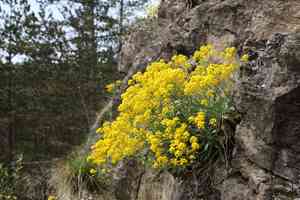
A robust, evergreen perennial recognized for its brilliant yellow blossoms, basket of gold flourishes in ample sunlight and soil that drains effectively. Trim the plant following its blooming period to foster a dense form and inhibit spontaneous seed dispersal. Precision in timing is crucial; perform pruning in the early spring to stimulate robust development and sustain the plant's vitality. Refrain from pruning in late summer to safeguard emerging buds. Consistent trimming benefits basket of gold by elevating its aesthetic charm and prolonging its existence.
What Are the Benefits of Pruning Basket Of Gold?
What Are the Benefits of Pruning Basket Of Gold?
Trimming basket of gold promotes robust new development and helps maintain its compact, mounded form, enhancing its aesthetic appeal and vitality.
What Is the Best Time for Pruning Basket Of Gold?
What Is the Best Time for Pruning Basket Of Gold?
Pruning basket of gold in early spring is advantageous as it occurs immediately after the plant's blooming period, typically from late winter to early spring. This timing allows gardeners to sculpt the plant and foster vigorous growth for the subsequent season without removing developing buds. Trimming in late summer is not advisable as it could eliminate buds formed for the next year's flowers. By pruning right after basket of gold blooms, the plant's energy is directed towards root and foliage development, crucial for its health and strength. Seasonal considerations also ensure the plant has not yet entered dormancy, which could hinder its recovery and regrowth potential if pruned too late. Additionally, removing spent flowers can prevent self-seeding if this is a concern for the gardener's specific situation.
What Tools Do I Need to Prune Basket Of Gold?
Hand Pruners
Perfect for precise cuts on basket of gold, hand pruners enable careful removal of dead or overgrown stems without harming the plant's delicate structure.
Shears
Ideal for shaping basket of gold after blooming and managing its spread, shears provide a clean cut across larger areas of foliage.
Gardening Gloves
Though not a direct pruning tool, gloves protect hands from scratches and ensure safer handling of basket of gold during trimming.
Pruning Saw
For older, more woody basket of gold specimens that may have developed thicker stems, a small pruning saw can assist in removing these tougher branches.
How to Prune Basket Of Gold
Step1: Time pruning after flowering
Wait until basket of gold has completed its blooming cycle before commencing any pruning. This usually happens in late spring or early summer. Pruning at the correct time is vital to avoid cutting off next year's buds, which form soon after the flowers fade.
Step2: Identify and remove old wood
Examine basket of gold for old wood that requires removal. Old wood can be recognized by its tougher, more fibrous texture, and it may have old, faded flower stems attached.
Step3: Sterilize tools to prevent disease
Sanitize your pruning tools before starting and between each cut if there's any indication of disease. This helps prevent the spread of potential plant ailments.
Step4: Prune old wood at an angle
Using sharp, clean pruning shears, cut the old wood back to its base where it meets newer growth. Ensure cuts are made at an angle to allow water runoff and reduce disease risk.
Step5: Cut back a third of old wood
Remove approximately 1/3 of the old wood to revitalize basket of gold's growth without leaving the plant too sparse. Removing too much at once can stress the plant.
Step6: Shape the plant post-pruning
After pruning the old wood, gently shape the remaining parts of basket of gold as needed to maintain an attractive mound shape. Trim away any irregularities or excessively long stems that disrupt the plant's natural form.
Step7: Dispose of pruning debris
Clear away trimmed material from around basket of gold to deter pests and diseases from establishing themselves in the debris.
Step8: Water plant after pruning
Water the plant immediately after pruning to help basket of gold recover from the shock of trimming and encourage new growth, if the soil is dry.
Step9: Monitor plant health and growth
Observe basket of gold for health and growth. New growth should emerge from the plant's base. If basket of gold appears sluggish or diseased, assess and adjust care as necessary.
Post-Pruning Care for Basket Of Gold
Post-Pruning Care for Basket Of Gold
Immediately after trimming basket of gold, ensure it receives full sun and is in well-drained soil, which is crucial for its recovery. Adjust watering to maintain slight moisture without waterlogging. Following pruning, apply a balanced, slow-release fertilizer to support regrowth. Monitor basket of gold for wilting or discoloration, which are signs of stress or disease; if detected, adjust care and consult a plant disease guide for treatments. Consistently check for new growth as an indicator of healthy recovery.
Common Pruning Mistakes with Basket Of Gold
Over-Pruning Weakens Plants
Trimming basket of gold too aggressively can lead to the plant being unable to recover, as it relies on a balance of old and new growth to thrive. Removing too much foliage may weaken the plant.
Leaving Dead or Diseased Growth
Failing to remove dead or diseased branches can result in a decline in the overall health and visual appeal of basket of gold. It's important to regularly inspect and clear away unhealthy growth.
Using Dull or Dirty Tools
Employing dull or uncleaned pruning tools can damage the stems of basket of gold and introduce diseases. Always use sharp, sterilized equipment for clean cuts.
Unnatural Shaping
Pruning basket of gold into a tight, artificial shape can hinder its natural growth pattern and diminish its ornamental value. It is best to maintain a shape that complements its natural form.
Not Deadheading Spent Blooms
Ignoring the removal of faded flower clusters after blooming can result in fewer flowers the following season, as basket of gold benefits from deadheading to encourage further flowering.
Common Pruning Tips for Basket Of Gold
Remove Dead or Diseased Branches
Begin by removing any dead or diseased branches from basket of gold to promote good air circulation and prevent the spread of pests and diseases.
Selective Thinning Promotes New Growth
Perform selective thinning of basket of gold by cutting back overgrown stems to a healthy bud. This encourages new growth and improves the plant's shape.
Post-Flowering Trim for Better Shape
After flowering, lightly trim back basket of gold to shape the plant and encourage a dense, compact habit. This will also help stimulate new growth which can lead to more abundant blooms.
Deadheading Redirects Energy
When deadheading basket of gold, snip off the old flower heads down to the first set of healthy leaves. This not only tidies the plant but also redirects its energy into vigorous growth.
Rejuvenative Hard Pruning
To rejuvenate an old or overgrown basket of gold, consider cutting back the entire plant to a few inches above the ground. This is typically a more intensive process and should be done conservatively to not stress the plant.



